
Field forget-me-not (Myosotis arvensis)
Also known as: Field Forget-me-not
Field forget-me-not (Myosotis arvensis) is an annual plant commonly found in open spaces such as fields, pastures, and roadsides. It prefers full sun to partial shade and is often regarded as a weed by farmers and gardeners. The plant spreads its seeds through small hairs that attach to the fur of animals and to human clothing. These seeds can then be carried to new locations, where they may germinate and grow.
In This Article
Attributes of Field forget-me-not
Lifespan
Annual, Perennial, Biennial
Plant Type
Herb
Plant Height
40 cm
Spread
20 cm
Leaf Color
Green Blue Silver
Flower Size
3 mm to 5 mm
Flower Color
Blue White Pink Purple
Images of Field forget-me-not
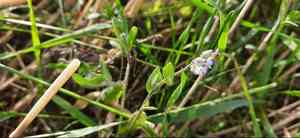
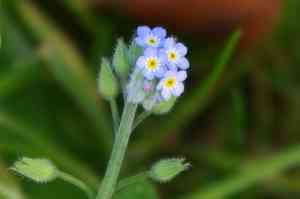
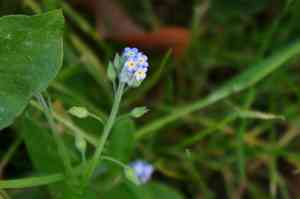
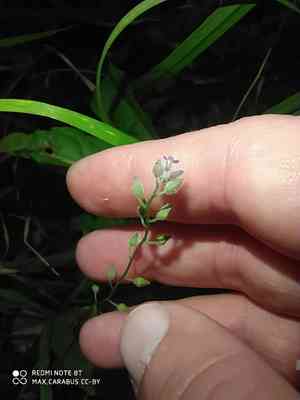
Quickly Identify Field forget-me-not
1
Identifiable by its small, sky-blue flowers with a yellow or white center, typically having five petals. The plant has hairy leaves and stems.
Scientific Classification of Field forget-me-not
Phylum
Vascular plants
Class
Dicotyledons
Order
Boraginales
Family
Borage
Genus
Forget-me-nots
Species
Field forget-me-not
Planting and Growing of Field forget-me-not
Care Difficulty
Easy
Watering Schedule
Every 8 days
Sunlight Requirements
Full sun
Sunshine Duration
8-12 hours
Ideal Temperature
60-70℉
Soil Type
Potting Mix, Peat Mix
Soil pH
6.5-7.5
Fertilizer Type
Balanced
Pruning Season
Spring, Summer
Pruning Area
Branches, Leaves
Pruning Frequency
2 times a year
Repotting Season
Spring
Pot Type
Plastic, Ceramic
 How to Water Field forget-me-not?
For Myosotis arvensis, water about 100 milliliters each time. Ensure the soil is moist but not soaking wet. The key is to maintain moisture balance, allowing the top layer of the soil to dry slightly between watering to prevent root rot.
More About Watering Techniques→
What are the symptoms of an underwatered Field forget-me-not?
›
What should I do if my Field forget-me-not is not getting enough water?
›
What are the symptoms of an overwatered Field forget-me-not?
›
How to save an overwatered Field forget-me-not?
›
 What Are the Sunlight Requirements for Field forget-me-not?
Partial sun to full sun provides the optimal environment for Myosotis arvensis, encouraging lush growth and abundant flowering while maintaining plant vitality.
More About Sunlight Requirements Techniques→
Light Quality
›
Intensity Solution
›
Benefits of Ideal Light
›
 What Is the Ideal Temperature Range for Field forget-me-not?
Myosotis arvensis, commonly known as the field forget-me-not, thrives best within a temperature range of 60°F to 70°F. This range allows for optimal photosynthesis and growth, providing the necessary warmth without causing thermal stress. Careful monitoring of this range helps ensure healthy blooms and vibrant foliage.
 What Soil is Best for Field forget-me-not?
Myosotis arvensis thrives in well-drained soil, which helps prevent root rot by ensuring that excess water is carried away from the roots. This promotes healthy root development and optimal growth. The plant benefits from soil enriched with organic matter, which provides essential nutrients and fosters a healthy microbial environment. This, in turn, supports vibrant blooms and lush foliage. While needing well-drained soil, Myosotis arvensis also requires some moisture retention to sustain its growth, especially during dry spells. Maintaining balanced moisture reduces stress and supports continuous flowering.
More About Soil→
 How to Fertilize Field forget-me-not?
Use a balanced fertilizer with an NPK ratio of 10-10-10 or similar, applying approximately 1 tablespoon per gallon of water when using liquid fertilizers. For slow-release fertilizers, apply about 1 teaspoon per square foot of soil surface.
More About Fertilizing Techniques→
 How to Prune Field forget-me-not?
Begin by removing any spent or wilted flowers to encourage further blooming. This process, known as deadheading, channels the plant’s energy into producing new blooms rather than seed production. Look out for broken or damaged stems and prune them back to healthy tissue. Make cuts at a 45-degree angle just above a leaf node to promote new growth. Carefully trim back excessive growth to maintain a compact shape. Focus on cutting back longer branches to create a uniform appearance that enhances the plant’s aesthetic.
More About Pruning Techniques→
 How to Propagate Field forget-me-not plant?
1
In seed propagation, collect seeds from mature Myosotis arvensis plants. Allow the seed pods to dry on the plant before picking them. Once dry, gently open the pods to collect the seeds. Use fresh seeds for higher germination rates, as older seeds might not germinate well.
2
Select a healthy parent plant and take cuttings using clean pruning shears. Choose non-flowering stems with a few sets of leaves. Remove leaves on the lower part of the cutting and dip the cut end in rooting hormone powder to encourage roots to form.
3
For seed propagation, sow seeds in seed trays filled with a moist, well-draining soil mix. Cover lightly with soil. For cuttings, insert the prepared cuttings into potting mix, ensuring the leaf nodes are below the soil surface. Maintain adequate spacing to allow air circulation.
 How to Repot Field forget-me-not plant?
1
Repot your Myosotis arvensis when you notice its roots outgrowing the current pot or water drains too quickly. These signs indicate cramped roots or bubbly soil, suggesting the plant needs more room to flourish.
2
Opt for a pot slightly larger than the current one, ideally with drainage holes. A proper pot size prevents overwatering and encourages healthy root spread, giving the plant a comfortable new home to grow.
3
Select a well-draining potting mix that retains some moisture but doesn't get soggy. This prevents root rot and mimics the plant’s natural habitat, offering a nutrient-rich environment suitable for its growth.



