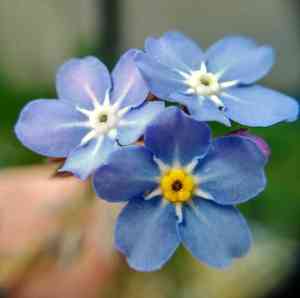
Alpine forget-me-not (Myosotis alpestris)
Also known as: Wood forget-me-not, Woodland forget-me-not
The Alpine forget-me-not (*Myosotis alpestris*) is renowned for its charming small blue flowers, which make it a favorite for both flower arrangements and ground cover. This hardy perennial thrives in various regions, including Europe, Western Asia, and North America, despite its delicate appearance.
In This Article
Attributes of Alpine forget-me-not
Lifespan
Perennial
Plant Type
Herb
Plant Height
20 cm to 45 cm
Spread
20 cm
Leaf Color
Green
Flower Size
15 cm to 30 cm
Flower Color
Blue
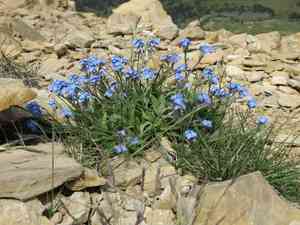
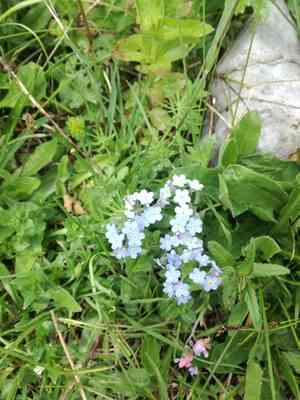
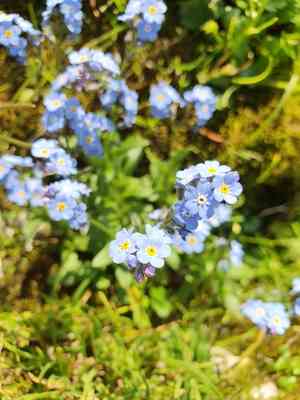
Images of Alpine forget-me-not
Quickly Identify Alpine forget-me-not
1
To identify Myosotis alpestris, look for its small, bright blue flowers with yellow centers, arranged in loose clusters. The leaves are narrow, lanceolate, and covered with fine hairs. The plant typically grows low to the ground.
Scientific Classification of Alpine forget-me-not
Phylum
Vascular plants
Class
Dicotyledons
Order
Boraginales
Family
Borage
Genus
Forget-me-nots
Species
Alpine forget-me-not
Planting and Growing of Alpine forget-me-not
Care Difficulty
Easy
Watering Schedule
Every 2 days
Sunlight Requirements
Partial sun
Sunshine Duration
6-10 hours
Ideal Temperature
55-65℉
Soil Type
Potting Mix, Peat Mix
Soil pH
6.5-7.5
Fertilizer Type
Balanced
Pruning Season
Spring, Summer
Pruning Area
Branches, Leaves
Pruning Frequency
2 times a year
Repotting Season
Spring
Pot Type
Plastic, Terracotta
 How to Water Alpine forget-me-not?
For Myosotis alpestris, watering should be thorough but not excessive. It's best to water until the soil is moist throughout without being soggy. This typically means about 500 ml, enough to let the water reach the root zone and allow any excess to drain away. Ensure that the top layer of soil is dry before rewatering to maintain a balance between hydration and dryness.
What are the symptoms of an underwatered Alpine forget-me-not?
›
What should I do if my Alpine forget-me-not is not getting enough water?
›
What are the symptoms of an overwatered Alpine forget-me-not?
›
How to save an overwatered Alpine forget-me-not?
›
 What Are the Sunlight Requirements for Alpine forget-me-not?
Myosotis alpestris flourishes in partial to full sun. Offering these conditions allows the plant to photosynthesize effectively, leading to a robust and vibrant appearance with enhanced color and numerous blooms.
More About Sunlight Requirements Techniques→
Required Sunlight Duration
›
Adjustable Sunlight Exposure
›
Optimal Lighting Benefits
›
 What Is the Ideal Temperature Range for Alpine forget-me-not?
For optimal growth, Myosotis alpestris prefers temperatures between 55°F and 65°F. This range supports the plant's physiological processes and promotes healthy blooming and foliage development.
 What Soil is Best for Alpine forget-me-not?
Myosotis alpestris thrives in well-drained soil that prevents waterlogging, ensuring the roots have access to oxygen. This promotes healthy growth and prevents root rot, giving the plant a robust structure. This plant prefers soil with moderate moisture levels, which helps it maintain consistent hydration without being oversaturated. Proper moisture aids in nutrient uptake and supports vibrant blooms. Soil rich in organic matter provides Myosotis alpestris with necessary nutrients that boost its growth and flowering. This enriches the plant's color and overall health, leading to a more resilient plant.
 How to Fertilize Alpine forget-me-not?
For Myosotis alpestris, the fertilizer amount should be modest due to its preference for nutrient-poor environments. Use a balanced 10-10-10 liquid fertilizer, diluted to one-quarter of the recommended strength. This approach ensures that the delicate alpine structure of the plant is not overwhelmed by excessive nutrients.
 How to Prune Alpine forget-me-not?
Begin by examining your Myosotis alpestris for any dead or brown leaves and stems. These parts should be gently trimmed away to allow for new growth and to keep the plant looking fresh and vibrant. In late spring and early summer, pinch back the tips of any new growth. This encourages fuller and bushier development, which is particularly beneficial if you desire a more compact plant with plenty of flowers. Once the initial dead and excess growth is removed, step back and look at the plant's shape. Use selective trimming to achieve a balanced look, remembering not to cut into the old wood as this can inhibit blooming.
More About Pruning Techniques→
 How to Propagate Alpine forget-me-not plant?
1
Collect seeds after the flowering period when the seeds are ripe. Ensure the seeds are fully dry before storing them in a cool, dry place. This step is critical as it ensures the viability of the seeds for propagation.
2
Select healthy, disease-free stems for cuttings. Cut below a node with a length of about 10 cm. Remove the lower leaves and dip the cut end into rooting hormone to facilitate rooting.
3
Division should be done in spring. Carefully dig up the plant and gently separate the roots into smaller sections. Ensure each section has plenty of roots attached to promote successful reestablishment.
 How to Repot Alpine forget-me-not plant?
1
Myosotis alpestris needs repotting when you notice roots growing out of the drainage holes or the plant has become root-bound, which means the roots are circling inside the pot. Another signal is when the plant shows stunted growth despite regular care. This usually suggests that the plant is ready for a larger home with fresh soil that can provide more nutrients.
2
Choosing the right pot for Myosotis alpestris is crucial. Opt for a slightly larger pot with adequate drainage holes to prevent waterlogging, which can lead to root rot. A pot that is just one or two inches larger in diameter than the previous one is ideal, providing enough room for growth and ensuring the plant does not have excess wet soil around its roots, which helps maintain optimal moisture levels.
3
Select a well-draining, loamy mix for repotting Myosotis alpestris. The ideal soil should retain some moisture without becoming waterlogged, and have good air circulation. A mix with organic matter like peat blended with perlite or sand will provide the necessary drainage and aeration needed by the roots. This helps prevent the common issue of root rot and supports healthy plant development.



