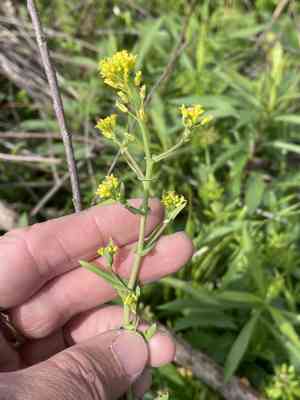
Musk weeds (Myagrum) (Myagrum)
Also known as: None
Myagrum is a small genus of flowering plants belonging to the family Brassicaceae. This genus is known for its annual herbaceous plants that are often found in temperate regions.
In This Article
Attributes of Musk weeds (Myagrum)
Lifespan
Annual
Plant Height
Typically 15-60 cm
Spread
N/A
Leaf Color
Green
Flower Size
Approximately 1 cm
Flower Color
Yellow
Images of Musk weeds (Myagrum)
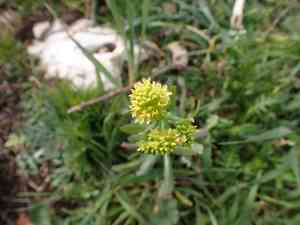
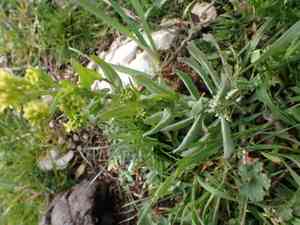
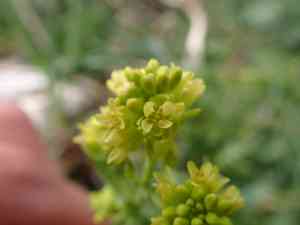
Quickly Identify Musk weeds (Myagrum)
1
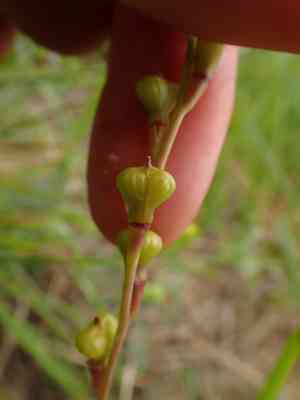
Myagrum plants can be identified by their small, yellow flowers and finely divided leaves. The fruit typically consists of small, round pods.
Scientific Classification of Musk weeds (Myagrum)
Phylum
Magnoliophyta
Class
Magnoliopsida
Order
Brassicales
Family
Brassicaceae
Genus
Myagrum
Planting and Growing of Musk weeds (Myagrum)
Care Difficulty
Easy
Watering Schedule
Every 2 days
Sunlight Requirements
Partial sun
Sunshine Duration
4-8 hours
Ideal Temperature
60-75℉
Soil Type
Potting Mix, Peat Mix
Soil pH
6.5-7.5
Fertilizer Type
Balanced
Pruning Season
Spring, Summer
Pruning Area
Branches, Leaves
Pruning Frequency
2 times a year
Repotting Season
Spring
Pot Type
Plastic, Ceramic
 How to Water Musk weeds (Myagrum)?
Myagrum requires moderate watering, where each session involves approximately 150 milliliters of water. The goal is to provide enough moisture to keep the soil slightly damp but not waterlogged. Ensure water reaches the root zone to promote healthy growth without drowning the plant.
What are the symptoms of an underwatered Musk weeds (Myagrum)?
›
What should I do if my Musk weeds (Myagrum) is not getting enough water?
›
What are the symptoms of an overwatered Musk weeds (Myagrum)?
›
How to save an overwatered Musk weeds (Myagrum)?
›
 What Are the Sunlight Requirements for Musk weeds (Myagrum)?
Partial sun, with ideal conditions including morning sunlight and afternoon shade. This lighting ensures Myagrum receives the energy needed for photosynthesis without the risk of heat damage.
What is the best way to provide ideal lighting?
›
What steps can be taken to adjust lighting?
›
What are the benefits of ideal lighting?
›
 What Is the Ideal Temperature Range for Musk weeds (Myagrum)?
The ideal temperature range for Myagrum is between 60 and 75°F, as these conditions closely mimic the plant's natural growing environment. These temperatures ensure optimal metabolic and enzymatic activities, providing a balance that favors growth and flowering. Beyond this range, the plant may not perform optimally in photosynthesis and other physiological processes.
 What Soil is Best for Musk weeds (Myagrum)?
Myagrum thrives in well-drained soil, which prevents waterlogging and root rot. Ensuring good drainage helps the plant's roots breathe and absorb essential nutrients efficiently, leading to healthy growth and blooming. This plant prefers moderately fertile soils. Rich in organic matter, these soils provide balanced nutrients essential for vigorous plant development and reduce the need for frequent fertilization, thus promoting sustainable growth. Myagrum grows best in soil with a pH level between 6.5 and 7.5. Maintaining this range ensures optimal nutrient availability and uptake, fostering robust plant health and resilience against diseases.
 How to Fertilize Musk weeds (Myagrum)?
For Myagrum, apply a balanced liquid fertilizer at a rate of 1 tablespoon per gallon of water, ensuring even distribution around the base. For solid fertilizers, use about 3 to 4 ounces per plant. These amounts help maintain robust growth without overloading the soil with excess nutrients.
 How to Prune Musk weeds (Myagrum)?
Start by identifying any dead or damaged branches. Use sharp and clean pruning shears to remove these sections at their base. Next, focus on thinning the plant by cutting back branches that are overcrowding the center, which will improve air circulation. Look for the main stems and trim them to equal heights, which encourages uniform growth and reduces the chances of weak spots developing. To ensure a pleasing shape, focus on the outermost shoots and branches. Trim these carefully to create a balanced, rounded outline. Always aim to cut at a 45-degree angle just above a leaf node, promoting regrowth in the desired direction. This not only enhances the aesthetics but also boosts flowering potential by directing energy to the essential parts of the plant.
 How to Propagate Musk weeds (Myagrum) plant?
1
Fill the seed trays with potting mix, leaving some space at the top. Lightly water the soil to ensure it's evenly moist but not waterlogged. This provides an ideal germination environment for seeds.
2
Scatter the Myagrum seeds evenly across the surface of the soil. Gently press them into the soil or cover them with a light layer of potting mix to protect them and simulate natural conditions.
3
Mist the soil lightly to avoid dislodging the seeds. Place the trays in a warm location with indirect sunlight. Keep the soil consistently moist, but avoid overwatering, which can rot the seeds.
 How to Repot Musk weeds (Myagrum) plant?
1
Repotting Myagrum should occur when roots start emerging from the drain holes or the plant's growth stalls, signaling cramped root conditions. Optimal timing is early Spring or Summer to align with the plant's growing phase, ensuring it can establish in its new pot.
2
Select a pot slightly larger than the current one, ideally 2-4 inches wider, to give enough space for root expansion. The material should provide good drainage; terracotta is a good option. These choices encourage healthy roots and prevent water stagnation.
3
Use a well-draining loamy mix to prevent waterlogging, which can lead to root rot. Including organic matter helps retain the necessary moisture while enhancing nutrient availability, promoting vigorous and healthy plant development.
Learn More About Musk weeds (Myagrum) Diseases
Bacterial Leaf Spot
Bacterial Soft Rot
Clubroot
Cyst Nematode
Damping-off
Downy Mildew
Drought Stress
Fusarium Wilt
Gray Mold
Leaf Spot
Mosaic
Nutrient Deficiency
Nutrient Toxicity
Powdery Mildew
Root Rot
Root-knot Nematode
Rusts
Sooty Mold
Spider Mites
Temperature Stress
Thrips Damage
White Mold
Chemical Injury

