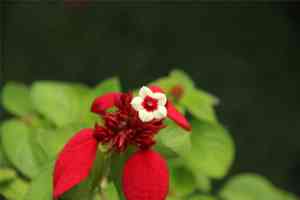
Paper-rose (Mussaenda) (Mussaenda)
Also known as: Bangkok Rose, Flag Bush, Tropical Dogwood, Dona Aurora
Paper-rose plants, commonly known as Bougainvillea, are native to tropical and subtropical regions. These robust climbers can ascend up to 10 meters (around 30 feet) when supported by trees. They are often cultivated for their vibrant bracts in shades of red, yellow, white, and their lush green leaves.
In This Article
Attributes of Paper-rose (Mussaenda)
Lifespan
Perennial
Plant Height
4.5 m
Spread
3 m
Leaf Color
Green
Flower Size
1-2 inches
Flower Color
Yellow (flowers), white, pink, red, or orange (bracts)
Images of Paper-rose (Mussaenda)
Quickly Identify Paper-rose (Mussaenda)
1
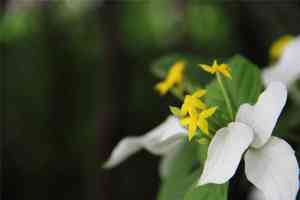
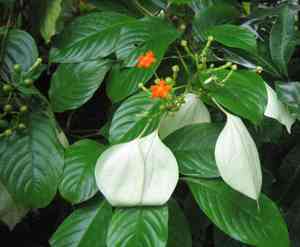
Mussaenda can be identified by their large, bright bracts which are often mistaken for petals. The actual flowers are small, star-shaped, and typically yellow. The leaves are oval and opposite, with a hairy texture. The plant tends to be a large shrub, often reaching heights of 3-10 feet.
Scientific Classification of Paper-rose (Mussaenda)
Phylum
Magnoliophyta
Class
Magnoliopsida
Order
Gentianales
Family
Rubiaceae
Genus
Mussaenda
Planting and Growing of Paper-rose (Mussaenda)
Care Difficulty
Moderate
Watering Schedule
Every 3 days
Sunlight Requirements
Partial sun
Sunshine Duration
4-6 hours
Ideal Temperature
65-80℉
Soil Type
Potting Mix, Peat Mix
Soil pH
6.5-7.5
Fertilizer Type
Balanced
Pruning Season
Spring, Summer
Pruning Area
Branches, Leaves
Pruning Frequency
2 times a year
Repotting Season
Spring
Pot Type
Plastic, Ceramic
 How to Water Paper-rose (Mussaenda)?
For Mussaenda, the watering amount needs to keep the soil moist but not soggy. It's essential to aim for a moderate soak, ensuring water penetrates deeply without flooding the plant. Ideally, you want to maintain the soil evenly moist, allowing a slight drying on the surface between sessions.
What are the symptoms of an underwatered Paper-rose (Mussaenda)?
›
What should I do if my Paper-rose (Mussaenda) is not getting enough water?
›
What are the symptoms of an overwatered Paper-rose (Mussaenda)?
›
How to save an overwatered Paper-rose (Mussaenda)?
›
 What Are the Sunlight Requirements for Paper-rose (Mussaenda)?
Partial sunlight conditions allowing Mussaenda around 4-6 hours of light a day promote healthier leaves and better flowering, providing the plant the perfect combination of energy and protection from intense rays.
What amount of sunlight is ideal for Mussaenda?
›
How to achieve specific lighting conditions for Mussaenda?
›
What benefits does Mussaenda gain from ideal light exposure?
›
 What Is the Ideal Temperature Range for Paper-rose (Mussaenda)?
Mussaenda plants thrive best in an environment where the temperature is consistently between 65 and 80 °F. This range provides optimal growth conditions, allowing the plant to photosynthesize efficiently and produce vibrant, healthy blooms.
 What Soil is Best for Paper-rose (Mussaenda)?
The Mussaenda thrives in well-draining soil that prevents waterlogging. Such soil maintains aeration around the roots, promoting healthy growth and preventing root rot. A nutrient-rich soil is essential for Mussaenda, providing the necessary nutrients for lush foliage and vibrant blooms, ensuring the plant reaches its full aesthetic potential. While being well-draining, the soil should retain some moisture. This balance prevents the plant from drying out, especially in hotter climates, aiding consistent growth.
 How to Fertilize Paper-rose (Mussaenda)?
For Mussaenda, it is important to use a balanced, water-soluble fertilizer diluted to half the recommended strength to avoid over-fertilization. Apply about 1/4 to 1/3 cup of liquid fertilizer per plant during the growing season, ensuring that the soil is evenly moist after application.
 How to Prune Paper-rose (Mussaenda)?
Mussaenda performs best with pruning done in early spring and after the first flush of blooms in the summer. This timing encourages robust blooming and prevents the plant from becoming too leggy or sparse. Pruning in these periods assists in removing spent blooms and invigorating the plant for future flowering cycles, ensuring a prominent display throughout the growing season. After pruning, it's crucial to provide a nurturing environment for your Mussaenda. Consider applying a balanced fertilizer to encourage robust new growth. Ensure the plant is watered adequately to minimize shock and stress. Mulching around the base can help retain moisture and regulate soil temperature, supporting healthy recovery and growth.
 How to Propagate Paper-rose (Mussaenda) plant?
1
Choose non-flowering stems that are about four to six inches long. Ensure that the cut is made just below a node, as nodes have a higher propensity to generate roots.
2
Mix a well-draining substrate, such as a combination of sand and peat moss. This ensures that the new roots receive ample aeration and don't get waterlogged.
3
Dip the cut end in rooting hormone, and plant it into a potting mix. Ensure at least two nodes are buried beneath the soil surface for better root development.
 How to Repot Paper-rose (Mussaenda) plant?
1
Mussaenda should be repotted when its roots begin to outgrow the current pot, often visible through drainage holes. Repotting is also advised if soil becomes compacted or if water drainage slows, indicating it's time for new, nutrient-rich soil to foster healthy growth.
2
Select a pot that is only slightly larger than the current one, typically 1-2 inches wider in diameter. This prevents the plant from being overwhelmed by excess soil which can retain too much moisture. Ensure it has good drainage for avoiding root rot.
3
Opt for a well-draining and nutrient-rich soil mix, preferably with components such as peat moss and perlite. This type of soil provides optimal conditions for Mussaenda's roots to receive adequate air circulation and helps in avoiding waterlogging.
Learn More About Paper-rose (Mussaenda) Diseases
Anthracnose
Bacterial Leaf Spot
Bacterial Wilt
Black Spot
Chemical Injury
Crown Gall
Damping-off
Drought Stress
Fusarium Wilt
Gray Mold
Leaf Curl
Leaf Spot
Mosaic
Nutrient Deficiency
Nutrient Toxicity
Powdery Mildew
Root Rot
Root-knot Nematode
Rusts
Sooty Mold
Spider Mites
Temperature Stress
Thrips Damage
White Mold

