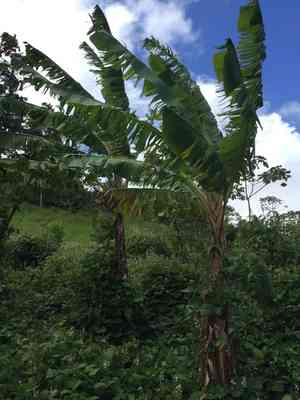
Musa (Musa) (Musa)
Also known as: Banana, Plantain
The *Musa* genus includes some of the most widely grown fruits worldwide, with both sweet bananas and the starchier plantains falling under this category. These fruits are integral to many global cuisines, serving as staple foods in diverse regions, from large urban markets to small rural communities. Annually, the global production of *Musa* fruits exceeds 115 million metric tonnes, highlighting their significant commercial value.
In This Article
Attributes of Musa (Musa)
Lifespan
Perennial
Plant Height
4 m
Spread
2 m
Leaf Color
Green
Flower Size
15-30 cm
Flower Color
Purple, Red
Images of Musa (Musa)
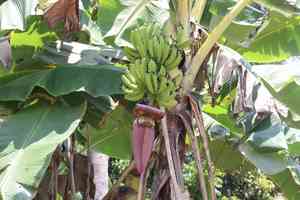
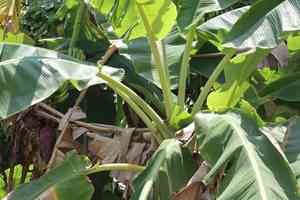

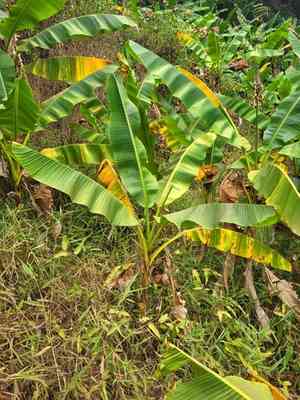
Quickly Identify Musa (Musa)
1
Musa can be identified by its large, paddle-shaped leaves that may exceed 2 meters in length and its distinctive flower structure. The plant produces a cluster of hanging fruit known as a 'hand.'
Scientific Classification of Musa (Musa)
Phylum
Magnoliophyta
Class
Liliopsida
Order
Zingiberales
Family
Musaceae
Genus
Musa
Planting and Growing of Musa (Musa)
Care Difficulty
Moderate
Watering Schedule
Every 4 days
Sunlight Requirements
Partial sun
Sunshine Duration
4-8 hours
Ideal Temperature
75-95℉
Soil Type
Potting Mix, Peat Mix
Soil pH
6.5-7.5
Fertilizer Type
Balanced
Pruning Season
Spring, Summer
Pruning Area
Branches, Leaves
Pruning Frequency
Once a year
Repotting Season
Spring
Pot Type
Plastic, Ceramic
 How to Water Musa (Musa)?
Watering a banana plant involves ensuring the soil remains consistently moist but not waterlogged. A good rule of thumb is to water until the top inch of the soil is visibly moist and some water just begins to drain out of the bottom. This usually requires around 500 milliliters per watering, but factors like plant size and pot drainage can affect this.
What are the symptoms of an underwatered Musa (Musa)?
›
What should I do if my Musa (Musa) is not getting enough water?
›
What are the symptoms of an overwatered Musa (Musa)?
›
How to save an overwatered Musa (Musa)?
›
 What Are the Sunlight Requirements for Musa (Musa)?
Musa ideally thrives in partial sun, where it receives filtered sun during the day. This helps promote lush foliage and prevents leaf burn. Ideal lighting conditions also aid in robust plant health and optimum fruit production.
What type of sunlight does Musa prefer?
›
How can you ensure Musa gets ideal lighting?
›
What are the benefits of ideal lighting for Musa?
›
 What Is the Ideal Temperature Range for Musa (Musa)?
The ideal temperature range for Musa plants falls between 75°F and 95°F. These tropical plants thrive in warm climates where the temperature is consistently high. Such conditions mimic their native environment, fostering healthy growth and fruit production. Maintaining this temperature helps optimize photosynthesis and nutrient uptake, providing the plant with optimal conditions for thriving.
 What Soil is Best for Musa (Musa)?
Banana plants thrive in soil that provides excellent drainage. This ensures that water doesn't stagnate around the roots, preventing root rot. Good drainage allows bananas to grow vigorously and produce juicy, plentiful fruit. Soil rich in organic matter such as compost or well-rotted manure promotes better growth and yield for banana plants. It enhances soil fertility, providing essential nutrients needed for healthy foliage and fruiting. While banana plants need well-draining soil, retaining enough moisture is crucial. Moist soil helps in maintaining the hydration level needed for the plant’s large leaves, supporting photosynthesis and energy production.
 How to Fertilize Musa (Musa)?
For Musa plants, the fertilizer amount depends on their growth stage. During the active growing season, bananas are heavy feeders and require a high-nitrogen fertilizer. Apply 1.5 to 2 pounds per month of a complete balanced fertilizer like 8-10-10. Always follow label instructions for best results.
 How to Prune Musa (Musa)?
Begin by identifying any dead or yellowing leaves and cut them away from the main stem using sterilized garden shears. Focus on removing the sucker plants, or pups, to direct more resources to the main plant. Maintain only one to two of the healthiest pups if propagation is desired. Trim back flower stalks once fruit is harvested to prevent disease. Always cut at a slight angle to prevent water from pooling on the cut surfaces.
 How to Propagate Musa (Musa) plant?
1
Select a healthy banana plant and carefully dig around the base to expose the rhizome. Use a sharp knife to cut the rhizome into sections, ensuring each piece has roots and at least one growing point. Replant the divisions in well-drained soil.
2
Collect small sections of the banana plant tissue, ensuring to choose disease-free and vigorous pieces. Place these sections in a nutrient-rich medium in sterilized containers. Keep these in a controlled environment to encourage growth.
3
Maintain the tissue culture containers under controlled humidity, temperature, and light conditions. Monitor regularly for signs of contamination or growth, making adjustments to the environment as necessary.
 How to Repot Musa (Musa) plant?
1
Musa plants signal repotting needs when roots are circling the pot or emerging from drainage holes. Additionally, slowed growth, yellowing leaves, or water sitting on the surface are indicators. Optimal timing is during active growth in spring or summer when the plant can recover quickly from root disturbance.
2
Select a pot that is one size larger than the current one and has adequate drainage holes. Pots that are too large retain excess moisture, leading to root rot, while undersized pots constrict root growth. A well-sized pot balances moisture and space, promoting healthy root expansion and thriving foliage.
3
Use a soil mix that is rich, organic, and well-draining to accommodate a Musa's nutritional needs while preventing water stagnation. A blend containing peat, perlite, and organic matter ensures robust growth by retaining essential nutrients and allowing excess water to flow freely, minimizing the risk of root rot.
Learn More About Musa (Musa) Diseases
Anthracnose
Bacterial Leaf Spot
Bacterial Soft Rot
Bacterial Wilt
Black Spot
Chemical Injury
Cyst Nematode
Damping-off
Drought Stress
Fusarium Wilt
Gray Mold
Leaf Spot
Mosaic
Nutrient Deficiency
Nutrient Toxicity
Powdery Mildew
Root Rot
Root-knot Nematode
Sooty Mold
Spider Mites
Temperature Stress
Thrips Damage

