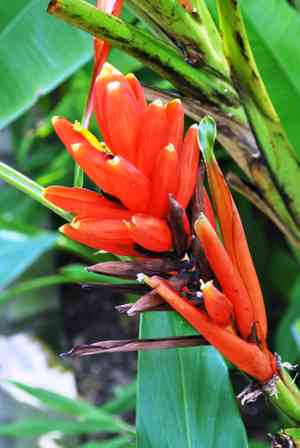
Scarlet banana (Musa coccinea)
Also known as: Red Banana, Scarlet Banana
The scarlet banana (Musa coccinea) stands out in gardens due to its vivid colors and distinctive features. It enhances garden aesthetics with its tropical elegance and bright red bracts, making it a popular ornamental plant. Furthermore, its flowers attract pollinators such as birds and insects, contributing to garden biodiversity. The scarlet banana not only adds visual appeal but also supports ecological balance, making it a valuable addition for garden enthusiasts seeking both beauty and functionality.
In This Article
Attributes of Scarlet banana
Lifespan
Perennial
Plant Type
Herb, Shrub
Plant Height
1.5 to 3 meters
Spread
1 to 2 meters
Leaf Color
Green
Flower Size
5 to 10 centimeters
Flower Color
Yellow Red
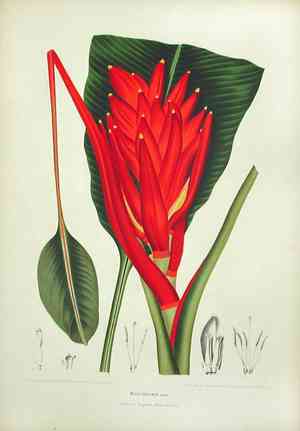
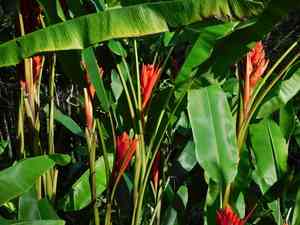
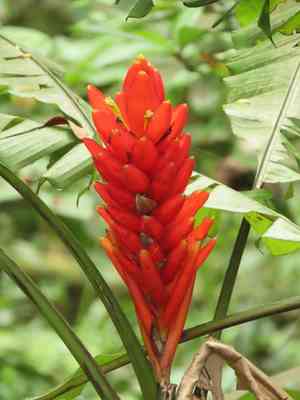
Images of Scarlet banana
Quickly Identify Scarlet banana
1
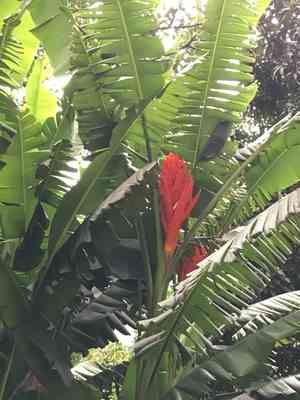
Musa coccinea can be identified by its striking red bracts which protect the tiny yellow flowers. The leaves are large, paddle-shaped, and arranged spirally, similar to other banana plants.
Scientific Classification of Scarlet banana
Phylum
Vascular plants
Class
Monocotyledons
Order
Gingers, bananas, and allies
Family
Banana
Genus
Musa
Species
Scarlet banana
Planting and Growing of Scarlet banana
Care Difficulty
Easy
Watering Schedule
Every 4 days
Sunlight Requirements
Partial sun
Sunshine Duration
4-8 hours
Ideal Temperature
70-85℉
Soil Type
Potting Mix, Peat Mix
Soil pH
5.5-7.5
Fertilizer Type
Balanced
Pruning Season
Spring, Summer
Pruning Area
Branches, Leaves
Pruning Frequency
Once a year
Repotting Season
Spring
Pot Type
Plastic, Ceramic
 How to Water Scarlet banana?
For Musa coccinea, ensure that you water thoroughly so the soil is moist but not waterlogged. The ideal approach is to water until the topsoil is evenly moist, allowing excess water to drain away. This is important because the roots need access to water without being submerged and suffocated.
What are the symptoms of an underwatered Scarlet banana?
›
What should I do if my Scarlet banana is not getting enough water?
›
What are the symptoms of an overwatered Scarlet banana?
›
How to save an overwatered Scarlet banana?
›
 What Are the Sunlight Requirements for Scarlet banana?
Musa coccinea thrives in partial sun to full sun, requiring about 4-6 hours of light daily. This range promotes optimal blooming and robust growth, sustaining the plant's health and ornamental value.
Optimal Lighting Question 1
›
Optimal Lighting Question 2
›
Optimal Lighting Question 3
›
 What Is the Ideal Temperature Range for Scarlet banana?
The ideal temperature range for Musa coccinea is between 70°F and 85°F. This range allows the plant to thrive, supporting optimal photosynthesis and growth. The warmth encourages vibrant foliage and assists in the development of its unique flowers. Within these temperatures, the plant can maintain its metabolic processes efficiently.
 What Soil is Best for Scarlet banana?
Musa coccinea thrives in nutrient-rich soil that supports its robust growth and vibrant foliage, ensuring optimal flowering and fruiting. To prevent root rot, well-draining soil is crucial for Musa coccinea, allowing excess water to escape while retaining enough moisture for growth. This plant requires consistent soil moisture to simulate its native tropical habitat, which supports healthy plant development and lush leaf production.
 How to Fertilize Scarlet banana?
For Musa coccinea, apply a balanced liquid fertilizer diluted to half strength. Ensure each application is about 1 liter for mid-sized plants. Adjust the amount according to plant size, avoiding over-fertilization.
 How to Prune Scarlet banana?
Begin by examining the plant for any yellow, brown, or damaged leaves. These should be pruned first to allow the plant to focus energy on new growth. To control the plant size, selectively prune back overgrown stems. Cut them back to a node or where a leaf meets the stem, encouraging bushier growth. Regularly remove any spent or withered flowers to encourage the plant to produce new blooms and maintain an attractive appearance. Once pruning is complete, promptly dispose of the plant material. This prevents the spread of pests and diseases that may harm your Musa coccinea.
More About Pruning Techniques→
 How to Propagate Scarlet banana plant?
1
Harvest ripe seeds from Musa coccinea by picking the fruit once it has fully matured. Extract seeds by gently squeezing the fruit and wash them to remove pulp residue before sowing.
2
Prepare a well-draining potting mix with organic matter for seed sowing. Make sure the soil mixture is moist but not waterlogged to promote successful germination.
3
For division propagation, carefully dig up the plant and separate it into smaller sections, ensuring each division has a healthy root system and some foliage before replanting.
 How to Repot Scarlet banana plant?
1
Musa coccinea needs repotting typically when roots emerge from drainage holes or growth slows down significantly. This usually signifies that the plant is root-bound. Additionally, if the soil is compacted or waterlogged, it's a good time to repot.
2
Select a pot that is one to two inches larger in diameter than the current one. A slightly larger pot prevents overwatering by ensuring excess moisture doesn’t stagnate at the bottom, fostering root health and accommodating growth.
3
A well-draining soil mix is ideal for repotting Musa coccinea. This type of soil prevents waterlogging and root rot, promoting better aeration and providing the plant's roots with ample breathing room.
Learn More About Scarlet banana Diseases
Anthracnose
Bacterial Leaf Spot
Bacterial Soft Rot
Bacterial Wilt
Crown Gall
Cyst Nematode
Damping-off
Drought Stress
Fusarium Wilt
Gray Mold
Leaf Spot
Mosaic
Nutrient Deficiency
Nutrient Toxicity
Powdery Mildew
Root Rot
Root-knot Nematode
Sooty Mold
Spider Mites
Temperature Stress
Thrips Damage
White Mold



