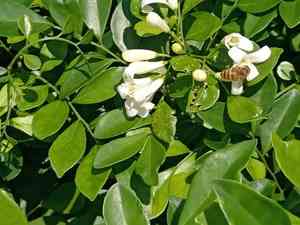
Murraya (Murraya) (Murraya)
Also known as: Orange Jessamine, Satinwood
*Murraya* is a genus of citrus trees and shrubs known for their aromatic flowers and attractive berries. These plants are popular in gardening for their ornamental value and are occasionally utilized as rootstock for grafting various citrus fruits.
In This Article
Attributes of Murraya (Murraya)
Lifespan
Perennial
Plant Height
2-3 meters
Spread
1.5-2 meters
Leaf Color
Dark green
Flower Size
1-2 centimeters
Flower Color
White
Images of Murraya (Murraya)
Quickly Identify Murraya (Murraya)
1
To identify Murraya, look for its small, fragrant white flowers and glossy, dark green leaves. The leaves are pinnate with multiple leaflets. The flowers typically bloom in clusters. The plant also produces small, red or orange berries.
Scientific Classification of Murraya (Murraya)
Phylum
Magnoliophyta
Class
Magnoliopsida
Order
Sapindales
Family
Rutaceae
Genus
Murraya
Planting and Growing of Murraya (Murraya)
Care Difficulty
Moderate
Watering Schedule
Every 4 days
Sunlight Requirements
Full sun
Sunshine Duration
6-12 hours
Ideal Temperature
65-85℉
Soil Type
Potting Mix, Peat Mix
Soil pH
6.5-7.5
Fertilizer Type
Balanced
Pruning Season
Spring, Summer
Pruning Area
Branches, Leaves
Pruning Frequency
2 times a year
Repotting Season
Spring
Pot Type
Plastic, Ceramic
 How to Water Murraya (Murraya)?
Murraya, commonly known as curry tree, requires a consistent yet moderate watering schedule. It thrives when the soil is moderately moist but not waterlogged. Aim for watering with about 200 ml of water, allowing the excess to drain to keep the roots healthy and aerated.
What are the symptoms of an underwatered Murraya (Murraya)?
›
What should I do if my Murraya (Murraya) is not getting enough water?
›
What are the symptoms of an overwatered Murraya (Murraya)?
›
How to save an overwatered Murraya (Murraya)?
›
 What Are the Sunlight Requirements for Murraya (Murraya)?
Murraya ideally flourishes in partial to full sun environments. Consistent lighting encourages robust foliage and fragrant blooms, enhancing the plant's decorative and aromatic appeal.
Optimal Sunlight for Growth
›
Solutions for Ideal Sunlight Exposure
›
Benefits of Ideal Lighting
›
 What Is the Ideal Temperature Range for Murraya (Murraya)?
The ideal temperature range for Murraya is between 65°F and 85°F. Within this range, the plant can maintain optimal growth and development, ensuring healthy foliage and flowering. Ambient temperatures consistently within this range support physiological processes crucial for sustaining plant health.
 What Soil is Best for Murraya (Murraya)?
Murraya prefers well-draining soil to prevent root rot. Good drainage ensures that excess water doesn't accumulate, allowing roots to breathe and absorb nutrients effectively. A nutrient-rich soil is ideal for Murraya as it supports lush foliage and abundant flowering. Incorporating organic matter such as compost can significantly enhance soil fertility. Maintaining consistent moisture levels is crucial for Murraya's growth. The soil should be moist but not waterlogged, which helps in steady plant growth and vigor.
 How to Fertilize Murraya (Murraya)?
When fertilizing Murraya, it is crucial to use a balanced fertilizer. For liquid fertilizers, mix according to the package directions, usually around 1/2 teaspoon per gallon of water, used every two weeks during the growing season. For solid or granular types, aim for a light sprinkle, ensuring the product is well distributed in the soil.
 How to Prune Murraya (Murraya)?
Begin by identifying dead or damaged branches and trim them close to the main stem. Target crossing branches to prevent crowding and encourage an open shape. When shaping, cut just above a leaf node or bud facing toward the desired direction of new growth. Regularly step back to assess the overall shape, ensuring a symmetrical and balanced look. For a fuller, bushier growth, focus on pruning the outer tips and encourage lateral spread. New buds will form around the cut areas, creating a nice, dense foliage over time. Be conservative with each session, never removing more than one-third of the plant’s size to prevent stress.
 How to Propagate Murraya (Murraya) plant?
1
Collect mature seeds from a healthy Murraya plant. After collection, clean the seeds and dry them out for a few days. This helps in reducing the risk of fungal infections during the germination process.
2
Select a healthy, non-flowering stem. Cut a section that is about 7-10 cm long, and remove the leaves from the lower third of the stem to reduce water loss through transpiration.
3
Carefully dig out the entire plant and shake off excess soil. Use a sterile knife or spade to divide the plant into sections, ensuring each section has roots and shoots. Replant each division promptly to prevent root drying.
 How to Repot Murraya (Murraya) plant?
1
The best time to repot Murraya is when you notice the roots circling around the pot or coming out through drainage holes. Another sign is when the plant appears to be growing slower than expected. Ideally, repotting should be done during the growing season to lessen stress.
2
When selecting a pot for your Murraya, opt for one a few inches larger than the current pot. The pot should have good drainage to prevent root rot, and the right size will allow enough room for growth while preventing excess water retention.
3
Choose a well-draining potting mix with good aeration, ideal for Murraya's root health. Mixing in some perlite or coarse sand will improve drainage, helping prevent waterlogging. The right soil mix leads to healthier growth and less risk of root disease.

