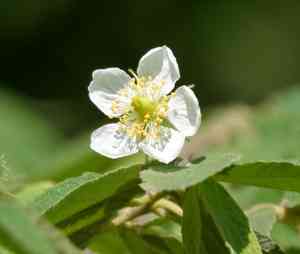
Jamaica Cherry (Muntingia calabura)
Also known as: Strawberry tree, Calabur tree, Ornamental cherry, Singapore cherry
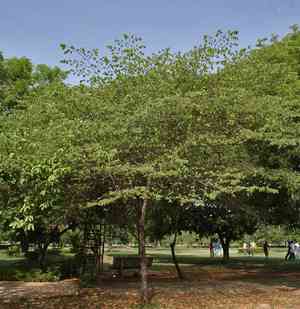
The Jamaica Cherry (Muntingia calabura), originally from Central America, has successfully spread and become naturalized in regions such as South America, Southeast Asia, and India. This versatile tree thrives even in poor soil conditions. Its wood is valuable for construction purposes, and the bark can be processed into rope. Additionally, the fruit is edible and is often used in various culinary applications.
In This Article
Attributes of Jamaica Cherry
Lifespan
Perennial
Plant Type
Shrub
Plant Height
12 m
Spread
5 m to 6 m
Leaf Color
Green Blue
Flower Size
2.5 cm
Flower Color
White
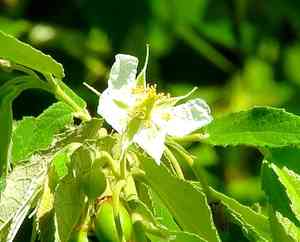
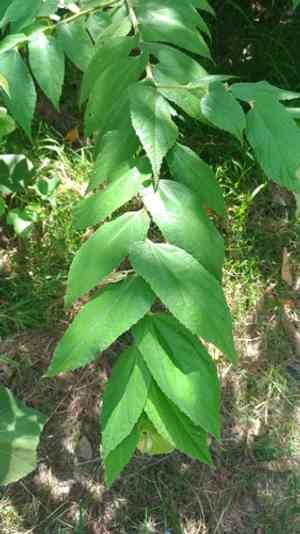
Images of Jamaica Cherry
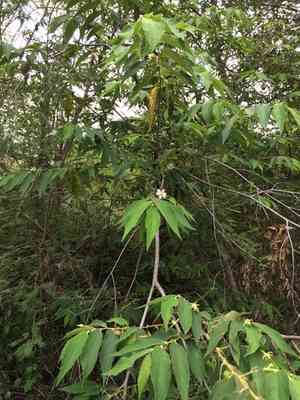
Quickly Identify Jamaica Cherry
1
It can be identified by its small, sweet red or yellow berries and its distinctive flowers, which have five white petals and numerous yellow stamens. The leaves are simple, alternate, and oblong-lanceolate with serrated edges.
Scientific Classification of Jamaica Cherry
Phylum
Vascular plants
Class
Dicotyledons
Order
Mallows, rock-roses, and allies
Family
Muntingia
Genus
Muntingia
Species
Jamaica Cherry
Planting and Growing of Jamaica Cherry
Care Difficulty
Easy
Watering Schedule
Every 4 days
Sunlight Requirements
Full sun
Sunshine Duration
4-8 hours
Ideal Temperature
77-86℉
Soil Type
Potting Mix, Peat Mix
Soil pH
6.5-7.5
Fertilizer Type
Balanced
Pruning Season
Spring, Summer
Pruning Area
Branches, Leaves
Pruning Frequency
2 times a year
Repotting Season
Spring
Pot Type
Plastic, Ceramic
 How to Water Jamaica Cherry?
Muntingia calabura prefers consistent soil moisture. Water it thoroughly until the soil is evenly moist but not waterlogged. The aim is to maintain a balanced moisture level, allowing the top inch of the soil to dry out slightly between waterings.
What are the symptoms of an underwatered Jamaica Cherry?
›
What should I do if my Jamaica Cherry is not getting enough water?
›
What are the symptoms of an overwatered Jamaica Cherry?
›
How to save an overwatered Jamaica Cherry?
›
 What Are the Sunlight Requirements for Jamaica Cherry?
Overall, the ideal light conditions for Muntingia calabura are 6-8 hours of full sun daily. Consistent exposure to this light range promotes vigorous growth, abundant flowering, and fruit production, maximizing its ornamental and functional benefits.
More About Sunlight Requirements Techniques→
What is the best lighting condition for Muntingia calabura?
›
How to ensure Muntingia calabura gets its ideal lighting?
›
What are the benefits of Muntingia calabura receiving ideal light?
›
 What Is the Ideal Temperature Range for Jamaica Cherry?
The ideal temperature range for growing Muntingia calabura, commonly known as the Jamaican cherry, is between 77°F and 86°F. Within this range, the plant thrives as the warm temperatures support its physiological processes, including photosynthesis and nutrient uptake, leading to optimal growth and fruit production.
 What Soil is Best for Jamaica Cherry?
Muntingia calabura thrives best in well-drained soil which prevents waterlogging, allowing roots to breathe and reducing the risk of rot. Moderate soil fertility ensures that the plant gets ample nutrients for healthy growth without excessive vegetative development that could weaken its structure. Incorporating organic matter such as compost improves soil structure, retains moisture, and provides essential nutrients for Muntingia calabura.
 How to Fertilize Jamaica Cherry?
For Muntingia calabura, use a balanced fertilizer formula such as 10-10-10. For liquid fertilizer, apply approximately 2 tablespoons diluted in 1 gallon of water per plant. Ensure even distribution around the root zone to prevent nutrient burn.
 How to Prune Jamaica Cherry?
Begin by sterilizing your pruning tools to prevent disease transmission. Identify branches that are dead, diseased, or rubbing against each other. Trim these back first. Next, maintain a balanced shape by cutting back any overly long or unruly branches to foster an even growth promote a rounded, tidy appearance. Make cuts at a slight angle to prevent water from sitting on the cut surfaces, which can lead to rot.
 How to Propagate Jamaica Cherry plant?
1
Start by soaking the seeds in water for 24 hours to weaken the seed coat. This step enhances germination rates by allowing water to penetrate the seed more easily.
2
Use a well-draining potting mix with equal parts of peat moss, compost, and perlite. This mix retains moisture while providing excellent aeration for root development.
3
Choose a healthy stem from the parent plant, making a clean cut just below a node. The cutting should be about 4-6 inches long and free of flowers or buds.
 How to Repot Jamaica Cherry plant?
1
Look for signs like roots coming out from the drainage holes, soil drying out too quickly, or growth stagnation in the Muntingia calabura. These are indicators that it's time to consider repotting to provide more room and nutrients for optimal growth.
2
Select a pot that is one size larger than the current one, with sufficient drainage holes. The increased space allows roots to spread, promoting healthier growth, while the drainage prevents waterlogging, which can lead to root rot.
3
Opt for well-draining loamy soil to ensure the roots receive the right amount of moisture. This type of soil prevents water retention issues, thus protecting the plant from overwatering and ensuring sufficient aeration for healthy roots.



