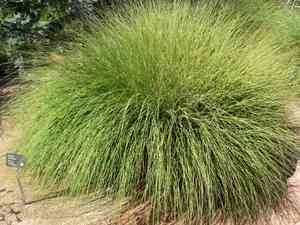
Deergrass (Muhlenbergia rigens)
Also known as: Deer Muhly
Phormium tenax, also known as New Zealand flax, is a perennial plant that reaches up to 91 cm in height. It has long, spear-like leaves that can grow up to 61 cm and tend to arch gracefully. This plant blooms with striking silver flowers in the summer, which are often utilized in traditional basket-making.
In This Article
Attributes of Deergrass
Lifespan
Perennial
Plant Type
Grass
Plant Height
50 cm to 1.5 m
Spread
90 cm to 1.2 m
Leaf Color
Green Gray
Flower Size
5 mm to 1.2 cm
Flower Color
Yellow Purple Pink Green Brown
Images of Deergrass
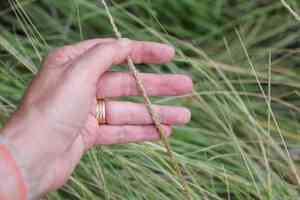
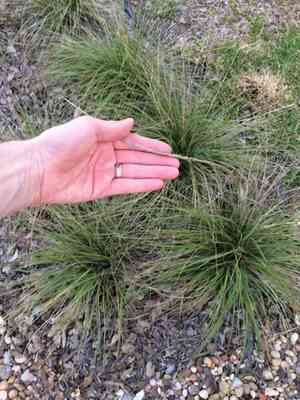
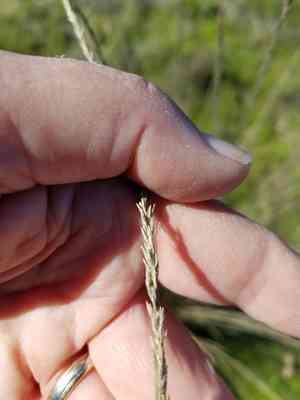
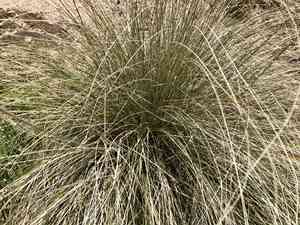
Quickly Identify Deergrass
1
Robust clumping habit
2
Silver-gray flower panicles
3
Narrow leaves reaching 3 feet (91 cm) tall
4
Gray-green foliage, nearly evergreen
5
Full-sun to partial-shade tolerant
Scientific Classification of Deergrass
Phylum
Vascular plants
Class
Monocotyledons
Order
Poales
Family
Grass
Genus
Muhly
Species
Deergrass
Planting and Growing of Deergrass
Care Difficulty
Easy
Watering Schedule
Every 2 days
Sunlight Requirements
Full sun
Sunshine Duration
4-8 hours
Ideal Temperature
60-75℉
Soil Type
Potting Mix, Peat Mix
Soil pH
6.5-7.5
Fertilizer Type
Balanced
Pruning Season
Spring, Summer
Pruning Area
Branches, Leaves
Pruning Frequency
2 times a year
Repotting Season
Spring
Pot Type
Plastic, Ceramic
 How to Water Deergrass?
For Muhlenbergia rigens, also known as deer grass, the watering amount should aim to moisten the soil deeply without causing waterlogging. It is crucial to water approximately 1000 milliliters per session, ensuring water reaches the root zone efficiently. This kind of grass thrives in conditions where soil moisture is maintained consistently but is not overly wet, mimicking its natural environment.
What are the symptoms of an underwatered Deergrass?
›
What should I do if my Deergrass is not getting enough water?
›
What are the symptoms of an overwatered Deergrass?
›
How to save an overwatered Deergrass?
›
 What Are the Sunlight Requirements for Deergrass?
Muhlenbergia rigens ideally thrives in full sun to partial sun for optimal growth and health. Adequate light enhances its vigor, foliage density, and overall appearance.
How much sun does Muhlenbergia rigens need?
›
What if there is too much sun exposure?
›
What about during cloudy days?
›
 What Is the Ideal Temperature Range for Deergrass?
For optimal growth, Muhlenbergia rigens should be cultivated in environments where temperatures range from 60 to 75 degrees Fahrenheit. This range provides the gentle warmth necessary for thriving growth, ensuring the plant can efficiently carry out essential physiological processes.
 What Soil is Best for Deergrass?
Muhlenbergia rigens thrives in soil with excellent drainage. It prevents waterlogging, which can lead to root rot, ensuring the plant grows healthy and strong. The plant prefers moderately fertile soil to reach its full potential. Overly rich soil can lead to excessive foliage growth at the expense of flower production. This plant is suited to a slightly acidic to neutral pH range (6.5-7.5). This pH balance optimizes nutrient availability and ensures healthy growth.
 How to Fertilize Deergrass?
For Muhlenbergia rigens, a balanced fertilizer with an N-P-K ratio of 10-10-10 should be used, applying approximately 1 pound per 100 square feet area to ensure optimal growth without overwhelming the plant's natural nutrient uptake.
 How to Prune Deergrass?
Start by cutting back any dead or damaged foliage. Use sharp, clean shears to make clean cuts at the base of the stems. Remove old seed heads and any browning debris to promote airflow and reduce disease risk. Maintain a natural mound shape by trimming to maintain a consistent height. After pruning, apply a thin layer of organic mulch around the base to conserve moisture and suppress weeds. Ensure the plant is well-watered, especially if pruned during dry spells, to aid in recovery and revitalization.
 How to Propagate Deergrass plant?
1
Prepare a seed tray with well-draining soil. Scatter the seeds evenly over the surface and lightly press them into the soil to ensure good contact. Cover with a thin layer of soil and water gently.
2
Place the seed tray in a warm, sunny location. Keep the soil consistently moist but not waterlogged. Expect germination in about 14-21 days. Thin seedlings to prevent overcrowding for healthier growth.
3
In early spring, dig up a mature clump of Muhlenbergia rigens. Use a sharp knife or spade to divide the clump into smaller sections, ensuring each division has roots. Replant the divisions immediately at the same depth they were originally growing.
 How to Repot Deergrass plant?
1
Muhlenbergia rigens should be repotted when you notice roots emerging from the drainage holes, or when the plant's growth seems to be stunted. These signs indicate that the current pot is too small or the soil has degraded, requiring a nutrient-rich, fresh environment for optimal growth.
2
Select a pot that is one to two inches larger in diameter than the current one to allow for root expansion. Ensure the pot has adequate drainage to prevent waterlogging, which can lead to root rot.
3
Use a well-draining potting mix to mimic the plant's natural habitat. A mix containing compost, perlite, and a little sand will provide excellent aeration and moisture control, fostering healthy root development.



