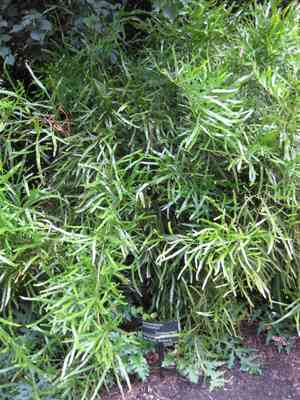
Tapeworm plant (Muehlenbeckia platyclada)
Also known as: Ribbon Bush, Cenere, Tapeworm Plant
Certainly! Here is a revised version based on your reference:
The tapeworm plant, also known as the ribbon bush and belonging to the knotweed family, can grow up to 2.5 meters tall. In colder climates, this dense, evergreen shrub can flourish if you move its container indoors during the fall.
In This Article
Attributes of Tapeworm plant
Lifespan
Perennial
Plant Type
Shrub
Plant Height
1.2 m to 2.5 m
Spread
1 m
Leaf Color
Does not have traditional leaves; stems are green, sometimes turning reddish-purple
Flower Size
0.1 cm
Flower Color
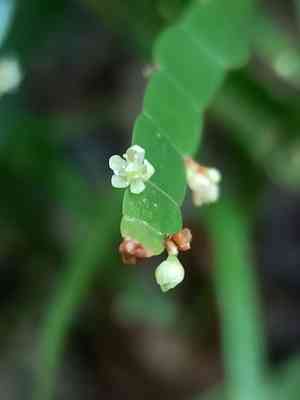
White to greenish-white
Images of Tapeworm plant
Quickly Identify Tapeworm plant
1
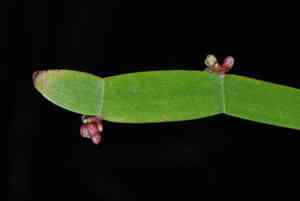
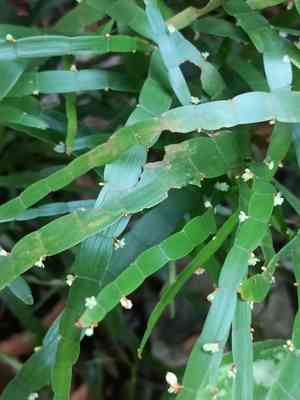
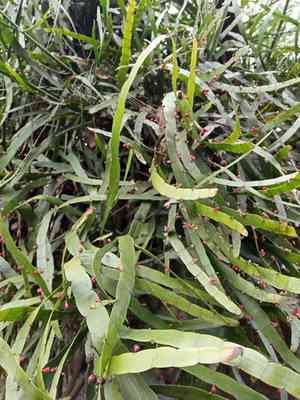
Muehlenbeckia platyclada can be identified by its ribbon-like stems that are flat and winged. These stems typically grow in a zig-zag pattern and can vary in color from green to reddish-purple. The plant does not bear typical leaves, making it stand out among other plants.
Scientific Classification of Tapeworm plant
Phylum
Vascular plants
Class
Dicotyledons
Order
Pinks, cacti, and allies
Family
Buckwheat
Genus
Maidenhair
Species
Tapeworm plant
Planting and Growing of Tapeworm plant
Care Difficulty
Easy
Watering Schedule
Every 2 days
Sunlight Requirements
Partial sun
Sunshine Duration
4-6 hours
Ideal Temperature
65-75℉
Soil Type
Potting Mix, Peat Mix
Soil pH
6.5-7.5
Fertilizer Type
Balanced
Pruning Season
Spring, Summer
Pruning Area
Branches, Leaves
Pruning Frequency
2 times a year
Repotting Season
Spring
Pot Type
Plastic, Ceramic
 How to Water Tapeworm plant?
For Muehlenbeckia platyclada, it's best to water until the soil is thoroughly moist but not waterlogged. Ensure about 250 ml per session, allowing any excess water to drain off, preserving soil aeration and preventing root rot.
What are the symptoms of an underwatered Tapeworm plant?
›
What should I do if my Tapeworm plant is not getting enough water?
›
What are the symptoms of an overwatered Tapeworm plant?
›
How to save an overwatered Tapeworm plant?
›
 What Are the Sunlight Requirements for Tapeworm plant?
Partial sun to full shade provides the best growth conditions for Muehlenbeckia platyclada, allowing steady photosynthesis while preventing leaf damage. Such conditions also enhance the plant's resilience against environmental stress.
More About Sunlight Requirements Techniques→
What is the best lighting condition for Muehlenbeckia platyclada?
›
How can I achieve ideal lighting conditions for my plant?
›
What benefits does obtaining ideal lighting provide?
›
 What Is the Ideal Temperature Range for Tapeworm plant?
To ensure optimal growth of Muehlenbeckia platyclada, it's best to maintain a temperature range between 65°F and 75°F. This range supports robust foliage development and overall plant health. When kept within these temperatures, the plant is most likely to thrive and exhibit vibrant growth patterns, making it ideal for both indoor and outdoor cultivation under controlled conditions.
 What Soil is Best for Tapeworm plant?
Muehlenbeckia platyclada thrives in soil that has good moisture retention. Loamy soils are excellent for retaining just the right amount of moisture, which helps the plant maintain its hydration level. This is crucial for its growth as excess water drainage can lead to nutrient loss. This plant requires well-aerated soil. Good aeration ensures that the roots receive adequate oxygen, which boosts nutrient uptake. Sandy loam is particularly effective in providing this extra breathability. Soil rich in nutrients supports the vigorous growth of Muehlenbeckia platyclada. The presence of essential nutrients in loamy soil ensures that the plant has a steady supply of food for healthy foliage and structural development.
 How to Fertilize Tapeworm plant?
Muehlenbeckia platyclada, commonly known as the flattened stem muehlenbeckia, benefits greatly from a balanced nutrient load. Apply a dilute liquid fertilizer at half strength (e.g., 10-10-10) to avoid root burn and ensure healthy growth. Ensure that you do not over-fertilize, as this plant prefers light feeding.
 How to Prune Tapeworm plant?
Begin by removing dead or diseased stems to improve the plant's health. Cut the stems back to healthy tissue, making sure to angle the cuts to direct water away from the cut surface. Trim back long, straggly stems to promote bushier growth. Cut just above a leaf node to encourage new shoots to form, resulting in a denser, more aesthetically pleasing appearance. You can reshape the plant to your desired form by cutting back the stems uniformly. Trim it back to maintain a compact shape or let it grow naturally for a wilder look, depending on your aesthetic preference.
More About Pruning Techniques→
 How to Propagate Tapeworm plant plant?
1
Choose a healthy, non-flowering stem that is about 4 to 6 inches long for cutting. Ensure the cut is made just below a node to increase the chances of successful rooting.
2
Remove the lower leaves from the cutting, leaving only a few at the top to minimize moisture loss. Dip the cut end in rooting hormone to promote root development.
3
Insert the cutting into a pot filled with a mix of peat and perlite. Firm the soil around the base and water lightly to ensure good contact with the soil.
 How to Repot Tapeworm plant plant?
1
Muehlenbeckia platyclada typically signals its need for repotting when its roots begin to emerge from the drainage holes, or when the plant's growth slows significantly. These signs indicate that the plant has outgrown its current pot, and repotting is necessary to provide more space for roots and to refresh the nutrient supply.
2
Choose a pot that is only slightly larger than the current one. An increase of 1-2 inches in diameter is ideal. This prevents the soil from retaining too much moisture, which could lead to root rot. A pot with adequate drainage holes is essential to keep the plant's roots healthy and prevent waterlogging.
3
Opt for a well-draining potting mix that includes materials such as peat, perlite, or sand. This type of soil prevents water retention and facilitates proper aeration of the roots, promoting healthy growth. Too dense soil can suffocate the roots by keeping them overly moist.



