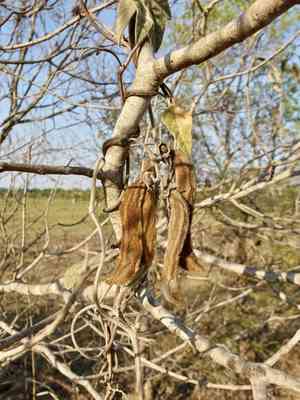
Velvet bean (Mucuna pruriens)
Also known as: Monkey tamarind, Florida velvet bean, Mauritius velvet bean, Lyon bean
Mucuna pruriens, known as the velvet bean, is a leguminous vine indigenous to Asia. It yields an edible bean utilized for both human food and animal feed. In Indonesia, it is often consumed and fermented to create a tempeh-like dish. However, the plant is notable for its orange hairs, which can cause itching upon skin contact.
In This Article
Attributes of Velvet bean
Lifespan
Annual
Plant Type
Herb, Vine
Plant Height
8 m to 15 m
Spread
Varies, as it is a vine and spreads climatically
Leaf Color
Green
Flower Size
15 cm to 33 cm
Flower Color
White Purple Lavender Black
Images of Velvet bean
Quickly Identify Velvet bean
1
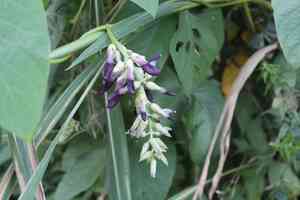
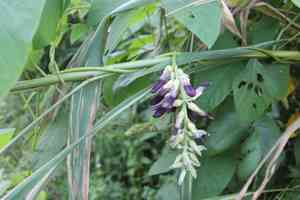
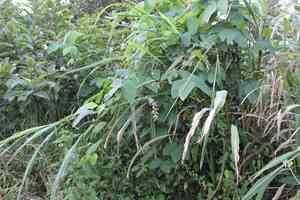
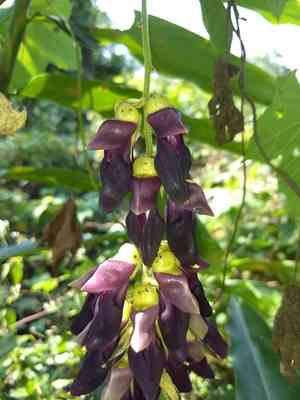
Mucuna pruriens can be identified by its climbing vine structure, trifoliate leaves, and pods covered in orange-brown, bristly hairs that cause intense itching upon contact. The flowers are typically purple or white and hang in clusters.
Scientific Classification of Velvet bean
Phylum
Vascular plants
Class
Dicotyledons
Order
Legumes, milkworts and allies
Family
Legume
Genus
Deer-eye beans
Species
Velvet bean
Planting and Growing of Velvet bean
Care Difficulty
Easy
Watering Schedule
Every 4 days
Sunlight Requirements
Partial sun
Sunshine Duration
6-10 hours
Ideal Temperature
70-85℉
Soil Type
Potting Mix, Peat Mix
Soil pH
5.5-8
Fertilizer Type
Balanced
Pruning Season
Spring, Summer
Pruning Area
Branches, Leaves
Pruning Frequency
2 times a year
Repotting Season
Spring
Pot Type
Plastic, Ceramic
 How to Water Velvet bean?
For Mucuna pruriens, a moderate watering of about 250 milliliters per session should suffice. The goal is to keep the soil consistently moist but never waterlogged. You should aim to water until you see some drainage from the bottom of the pot, ensuring the roots are adequately hydrated without drowning them.
What are the symptoms of an underwatered Velvet bean?
›
What should I do if my Velvet bean is not getting enough water?
›
What are the symptoms of an overwatered Velvet bean?
›
How to save an overwatered Velvet bean?
›
 What Are the Sunlight Requirements for Velvet bean?
Ideally, Mucuna pruriens should be exposed to filtered sunlight, benefiting from morning sun and avoiding the harshest afternoon rays. This balance encourages lush foliage and vibrant blooms.
More About Sunlight Requirements Techniques→
What is the best lighting condition for Mucuna pruriens?
›
How to achieve the ideal lighting for Mucuna pruriens?
›
Why is ideal lighting important for Mucuna pruriens?
›
 What Is the Ideal Temperature Range for Velvet bean?
Mucuna pruriens thrives in warm tropical temperatures, ideally between 70°F and 85°F. This range supports optimal growth and development, ensuring that the plant can photosynthesize effectively and maintain healthy metabolic functions. Within this range, the plant is less likely to experience stress, promoting vibrant foliage and robust seed production.
 What Soil is Best for Velvet bean?
Mucuna pruriens thrives in nutrient-rich soil, which promotes vigorous growth and increases pod production. Nutrient availability ensures that the plant receives essential elements for optimal growth and development, improving both health and yield. The plant requires well-draining soil to prevent waterlogging and root rot. Effective drainage ensures root oxygenation and nutrient uptake, vital for robust growth and development, particularly in regions with heavy rainfall. A soil pH ranging from 5.5 to 8.0 is ideal for Mucuna pruriens. Proper pH levels enhance nutrient absorption and reduce the risk of diseases, leading to healthy plant growth and improved resistance to environmental stressors.
 How to Fertilize Velvet bean?
Mucuna pruriens requires a moderate amount of fertilizer. Typically, a balanced water-soluble fertilizer diluted to half strength is ideal. Apply approximately 100 ml per plant for liquid fertilizer applications. For slow-release granules, follow the manufacturer’s recommendations, generally around 30 grams per plant annually.
 How to Prune Velvet bean?
Begin with clean, sharp pruners to make clean cuts. Disinfect your tools before starting to prevent the spread of diseases. Use hand gloves for protection against its itchy compounds. Inspect the plant and locate any dead or diseased branches. These can be identified by discolored or brittle textures. Carefully remove these to promote cleaner growth. Trim the plant to maintain its shape and ensure it doesn’t overgrow in undesirable directions. Cut just above a healthy bud to encourage new growth to sprout. Thin out crowded areas beginning from the base and working upwards. Improved air circulation reduces mold risk, promoting a healthier, thriving plant.
More About Pruning Techniques→
 How to Propagate Velvet bean plant?
1
Before planting the seeds of Mucuna pruriens, they need a scarification process. This involves gently rubbing them with sandpaper or soaking them in warm water overnight to break dormancy and aid germination.
2
Take healthy cuttings from a mature Mucuna pruriens plant. Remove the lower leaves, dip the cut end in rooting hormone, and plant them in a moist, well-draining potting mix. Cover with a plastic bag to retain humidity.
3
Once the seedlings have grown a few true leaves, they can be transplanted into larger containers or outdoors. Ensure they are hardened off by gradually exposing them to outdoor conditions over a week.
 How to Repot Velvet bean plant?
1
Monitor for signs like roots protruding from the pot's drain holes or stunted growth indicating the current container is too cramped. Watching for diminished soil quality or signs of nutrient deficiency is essential. These factors suggest that your Mucuna pruriens will benefit from being repotted to encourage new growth and health.
2
Select a pot that's only slightly larger than the current one, ensuring it has ample drainage holes. A snug pot prevents root rot by avoiding excess moisture retention while providing the room necessary for root expansion. Use a pot composed of breathable materials like terracotta to promote healthy aeration and soil drying.
3
For Mucuna pruriens, opt for a well-draining mix comprising equal parts peat, perlite, and compost. This blend ensures aeration, nutrient enrichment, and efficient watering, fostering a thriving environment. Avoid overly dense soils that can lead to root suffocation and poor drainage.



