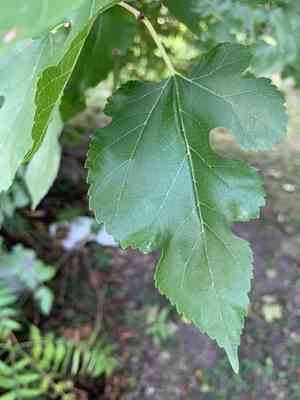
Mulberries (Morus) (Morus)
Also known as: Mulberry
The Mulberry tree (Morus), a member of the fig family, provides the essential leaves that silkworms feed on. Specifically, white mulberry (Morus alba) leaves are crucial to the process, playing a significant role in Chinese silk production for millennia. Interestingly, German folklore suggests that the mulberry tree symbolizes evil spirits, with a belief that the devil uses its roots to polish his shoes.
In This Article
Attributes of Mulberries (Morus)
Lifespan
Perennial
Plant Height
8 m
Spread
10 m
Leaf Color
Green
Flower Size
Small, insignificant
Flower Color
Greenish
Images of Mulberries (Morus)
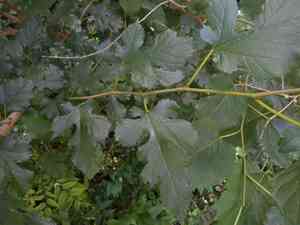
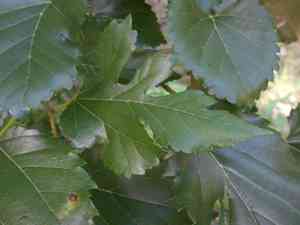
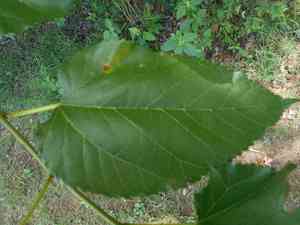
Quickly Identify Mulberries (Morus)
1
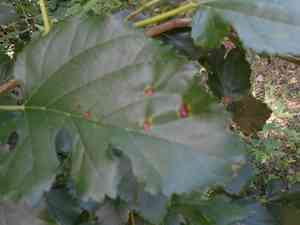
Mulberries can be identified by their broad leaves that are heart-shaped or lobed, with serrated edges. The fruits are aggregate and resemble blackberries, but come in various colors including red, purple, and white.
Scientific Classification of Mulberries (Morus)
Phylum
Magnoliophyta
Class
Magnoliopsida
Order
Rosales
Family
Moraceae
Genus
Morus
Planting and Growing of Mulberries (Morus)
Care Difficulty
Easy
Watering Schedule
Every 4 days
Sunlight Requirements
Full sun
Sunshine Duration
6-10 hours
Ideal Temperature
68-86℉
Soil Type
Potting Mix, Peat Mix
Soil pH
6.5-7.5
Fertilizer Type
Balanced
Pruning Season
Spring, Summer
Pruning Area
Branches, Leaves
Pruning Frequency
2 times a year
Repotting Season
Spring
Pot Type
Plastic, Ceramic
 How to Water Mulberries (Morus)?
Morus plants, commonly known as mulberry trees, require moderate watering. The soil should be kept consistently moist but not waterlogged. Ensure that the water penetrates to a depth of at least 6 inches to reach the entire root zone. Mulberry trees prefer deep, thorough watering as opposed to frequent shallow watering.
What are the symptoms of an underwatered Mulberries (Morus)?
›
What should I do if my Mulberries (Morus) is not getting enough water?
›
What are the symptoms of an overwatered Mulberries (Morus)?
›
How to save an overwatered Mulberries (Morus)?
›
 What Are the Sunlight Requirements for Mulberries (Morus)?
Morus flourishes in a light range of full to partial sunlight, ideally 6-8 hours daily. Ideal light boosts growth vigor, maximizes fruit yield, and maintains the plant’s health and resilience.
How much sunlight does Morus need?
›
What are the solutions for ideal lighting?
›
What benefits does Morus gain from ideal light?
›
 What Is the Ideal Temperature Range for Mulberries (Morus)?
The ideal temperature range for Morus species, commonly known as mulberry trees, is between 68°F and 86°F. Within this range, the trees can efficiently photosynthesize, grow, and produce fruit. This temperature band is optimal as it simulates the subtropical to temperate climates where these species naturally thrive, ensuring good growth and fruit production.
 What Soil is Best for Mulberries (Morus)?
Mulberry trees thrive best in well-draining soil which prevents water from accumulating around the roots, reducing the risk of root rot. This type of soil ensures that the roots receive adequate air and nutrients, promoting healthy growth. Mulberry trees require soil rich in organic matter to deliver essential nutrients that support vigorous growth and fruit production. Adding compost or well-rotted manure can enhance soil fertility, translating into healthier trees with abundant yields. While good drainage is vital, mulberry trees also benefit from soil that retains adequate moisture. Soil with balanced water retention provides the tree with consistent hydration, especially during dry spells, ensuring sustained growth and fruit development.
 How to Fertilize Mulberries (Morus)?
For Morus, fertilizer should be applied carefully to ensure robust growth. A balanced 10-10-10 liquid fertilizer can be applied at a rate of 20 ml per gallon of water. Ensure that the fertilizer is evenly distributed across the root zone for optimal absorption.
 How to Propagate Mulberries (Morus) plant?
1
To propagate mulberries by seed, collect ripe berries and extract the seeds. Wash them thoroughly to remove any pulp and allow them to dry before sowing.
2
Select healthy stems, ideally semi-hardwood, for cuttings. Cut a 6-8 inch section from the tip, ensuring it has at least a couple of leaves. Dip the cut end in rooting hormone.
3
Grafting involves joining two plant parts from different plants. Ensure the cambium layers are aligned for successful nutrient exchange and growth. Use a clean, sharp knife to make precise cuts.
 How to Repot Mulberries (Morus) plant?
1
You should consider repotting your Morus when you notice the roots are growing out of the drainage holes, or the growth has significantly slowed. Another tell-tale sign is when the soil dries out too quickly, indicating that the roots may be cramped and need more space to grow.
2
Choose a pot that is only slightly larger than the current one, ideally 2-4 inches wider in diameter. This allows the roots to expand naturally without overwhelming the plant with too much soil, which could lead to water retention and root rot. Ensure the pot has sufficient drainage holes to prevent water-logging.
3
Opt for well-draining potting soil specifically formulated for trees or shrubs. This type of soil provides the ideal balance of moisture retention and aeration, which is crucial for the health of Morus plants. A quality potting mix will help maintain the right moisture level, providing essential nutrients while avoiding water-logged conditions.
Learn More About Mulberries (Morus) Diseases
Anthracnose
Bacterial Leaf Spot
Bacterial Wilt
Crown Gall
Damping-off
Downy Mildew
Drought Stress
Fusarium Wilt
Gray Mold
Leaf Curl
Leaf Spot
Mosaic
Nutrient Deficiency
Nutrient Toxicity
Powdery Mildew
Root Rot
Root-knot Nematode
Rusts
Sooty Mold
Spider Mites
Temperature Stress
Thrips Damage
White Mold

