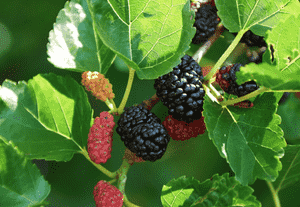
Morus indica (Morus indica)
Also known as: Indian mulberry, White Mulberry
Morus indica, a member of the Moraceae family, is a kind of flowering plant that falls within the mulberry classification. Like its mulberry relatives, it is a deciduous tree. This species originates from the temperate and subtropical areas of the Himalayas and it's being grown in countries such as India, China, Japan, and East Africa at present.
In This Article
Attributes of Morus indica
Lifespan
Morus indica is a perennial plant.
Plant Height
5-15 meters
Spread
8-10 meters
Leaf Color
Green
Flower Size
N/A
Flower Color
White
Images of Morus indica
Quickly Identify Morus indica
1
Recognizable by its broad, lobed leaves and small, sweet fruits.
Scientific Classification of Morus indica
Phylum
Magnoliophyta
Class
Magnoliopsida
Order
Rosales
Family
Moraceae
Genus
Morus
Species
M. indica
Planting and Growing of Morus indica
Watering Schedule
Every 2 days
Sunlight Requirements
Full sun
Sunshine Duration
6-8 hours
Ideal Temperature
60-86℉
Soil Type
Potting Mix, Peat Mix
Soil pH
5.5-7
Fertilizer Type
Balanced
Pruning Season
Spring, Summer
Pruning Area
Branches, Leaves
Pruning Frequency
2 times a year
Repotting Season
Spring
Pot Type
Plastic, Ceramic
 How to Water Morus indica?
When watering Morus indica, aim for approximately 1000 milliliters each time. The goal is to keep the soil evenly moist but not waterlogged. Water until it begins to drain out of the bottom of the pot, ensuring that the entire root system has access to moisture. It’s essential to let the top few inches of soil dry out before watering again to prevent overwatering.
What are the symptoms of an underwatered Morus indica?
›
What should I do if my Morus indica is not getting enough water?
›
What are the symptoms of an overwatered Morus indica?
›
How to save an overwatered Morus indica?
›
 What Are the Sunlight Requirements for Morus indica?
Partial to full sun daily exposure ensures vigorous growth for Morus indica. Proper light enhances photosynthesis, resulting in lush foliage and abundant fruit yield.
How much sunlight does Morus indica need?
›
What are the solutions to achieve ideal light conditions?
›
What are the benefits of providing ideal light conditions?
›
 What Is the Ideal Temperature Range for Morus indica?
The ideal temperature range for Morus indica, commonly known as Indian Mulberry, is between 60°F and 86°F. This range provides the optimal conditions for growth, as it mimics the plant's natural subtropical environment. Within this temperature range, Morus indica can thrive, offering the best growth rate and fruit quality. Keeping the plant within these temperatures ensures that it undergoes regular physiological processes without stress.
 What Soil is Best for Morus indica?
Morus indica thrives in loamy soils that have excellent moisture retention properties. This ensures that the plant receives a consistent supply of water, crucial for its robust growth and berry production. The plant prefers soil rich in organic matter. Organic matter provides essential nutrients required for its development, resulting in lush foliage and bountiful fruit yields. Besides moisture retention, the soil should also have good drainage capabilities to prevent waterlogging, which can lead to root rot and other diseases detrimental to Morus indica.
 How to Fertilize Morus indica?
For Morus indica, it's important to apply fertilizers judiciously to avoid over-fertilization. Use a balanced fertilizer with an NPK ratio of 10-10-10. For liquid fertilizers, apply approximately 1 tablespoon per gallon of water. For slow-release fertilizers, use about 1 pound per 100 square feet of soil area.
 How to Prune Morus indica?
Morus indica can be susceptible to pests. After pruning, inspect the plant for any signs of infestation and deal with them promptly. Apply a breathable sealant on larger cuts to aid in faster healing and prevent diseases. Avoid over-pruning as it can stress the plant, leaving it vulnerable to infection.
 How to Propagate Morus indica plant?
1
Collect seeds from ripe Morus indica fruit and clean them thoroughly. To improve germination, soak the seeds in water for 24 hours before sowing.
2
Choose healthy, non-flowering stems of Morus indica for cuttings. Ideally, select semi-hardwood stems that are about 6 to 8 inches long.
3
For grafting, select a suitable rootstock and scion of Morus indica. Make a clean, diagonal cut on both, ensuring they match, and join them securely using grafting tape.
 How to Repot Morus indica plant?
1
Morus indica should be repotted when roots start circling the pot or growing out of the drainage holes, indicating root-bound conditions. Also, if the plant's growth slows down despite optimal care, it might be a signal that the soil is depleted and repotting is necessary to refresh the plant’s environment.
2
Choose a pot that is one or two sizes larger than the current one, with good drainage holes. A slightly bigger pot will provide enough room for root expansion without risking waterlogging. This ensures healthy root development and prevents root rot, promoting vigorous growth in Morus indica.
3
Opt for a well-draining loamy soil mix to ensure that the plant receives adequate aeration while retaining necessary moisture. This type of soil mimics Morus indica's natural habitat, allowing it to thrive by preventing water stagnation which could lead to root diseases.
Learn More About Morus indica Diseases
Anthracnose
Bacterial Leaf Spot
Crown Gall
Cyst Nematode
Damping-off
Downy Mildew
Drought Stress
Fusarium Wilt
Gray Mold
Leaf Curl
Leaf Spot
Mosaic
Nutrient Deficiency
Nutrient Toxicity
Powdery Mildew
Root Rot
Root-knot Nematode
Rusts
Sooty Mold
Spider Mites
Temperature Stress
Thrips Damage
White Mold
Chemical Injury

