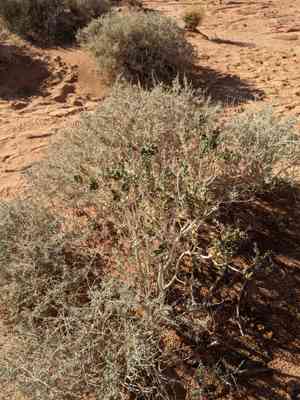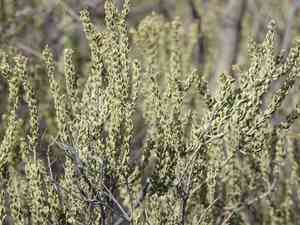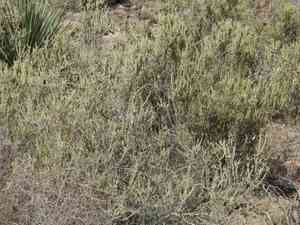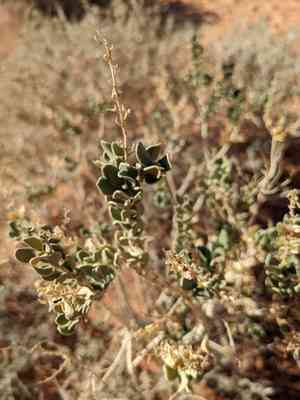
Sand paper bush (Mortonia)(Mortonia)

Sand paper bush (Mortonia) (Mortonia)

Also known as: Mortonia scabrella, Mortonia utahensis

Sand paper bushes, also known as *Leea guineensis*, are tropical shrubs or small trees recognized for their uniquely rough, sandpaper-like leaves. They usually grow to heights of 1-3 meters and have dense, glossy green, compound leaves with a gritty texture. These plants produce small, clustered flowers that are commonly red or white, which later develop into small, berry-like fruits.

Originating from tropical West Africa, sand paper bushes are well-adapted to moist, forested environments and can also be found in parts of Central Africa. They are valued not only for their distinctive foliage but also for their uses in traditional medicine and as ornamental plants.

Attributes of Sand paper bush (Mortonia)

Lifespan
Perennial
Plant Height
0.5-2 meters
Spread
1-1.5 meters
Leaf Color
Green to grayish-green
Flower Size
0.5-1 cm
Flower Color
White

ForwardPlant - Identify plants with a snap

Identify and diagnose plants, get toxicity alerts, and explore safety guides for all types of fungi.

Try for Free

Images of Sand paper bush (Mortonia)
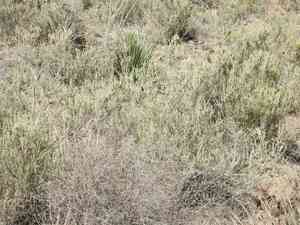
Sand paper bush (Mortonia)(Mortonia)

Quickly Identify Sand paper bush (Mortonia)

1
Identify Mortonia species by their hard, woody branches with spines and their small, whitish flowers. The leaves are small, oval, and often have a rough texture.

Scientific Classification of Sand paper bush (Mortonia)

Phylum
Magnoliophyta
Class
Magnoliopsida
Order
Celastrales
Family
Celastraceae
Genus
Mortonia

Planting and Growing of Sand paper bush (Mortonia)

Care Difficulty
Moderate
Watering Schedule
Every 2 days
Sunlight Requirements
Full sun
Sunshine Duration
4-8 hours
Ideal Temperature
65-75℉
Soil Type
Potting Mix, Peat Mix
Soil pH
6.5-7.5
Fertilizer Type
Balanced
Pruning Season
Spring, Summer
Pruning Area
Branches, Leaves
Pruning Frequency
2 times a year
Repotting Season
Spring
Pot Type
Plastic, Ceramic

water icon How to Water Sand paper bush (Mortonia)?

The Mortonia plant prefers a moderate watering approach. Ensure that the soil is evenly moist but not soggy. In practice, use around 150ml of water per session or until you see slight dampness at the bottom drainage holes.
What are the symptoms of an underwatered Sand paper bush (Mortonia)? ›
What should I do if my Sand paper bush (Mortonia) is not getting enough water? ›
What are the symptoms of an overwatered Sand paper bush (Mortonia)? ›
How to save an overwatered Sand paper bush (Mortonia)? ›

sunlight icon What Are the Sunlight Requirements for Sand paper bush (Mortonia)?

Sunlight Requirements: Full sun, Partial sun
Duration of light: 6 to 8 hours
Mortonia thrives best under full to partial sun conditions. Consistent exposure aids in achieving robust growth, vibrant leaf coloration, and effective photosynthesis, ultimately leading to a healthier and more resilient plant.
Where to place Mortonia? ›
What to avoid for Mortonia's lighting? ›
What are the signs of ideal lighting? ›

temperature icon What Is the Ideal Temperature Range for Sand paper bush (Mortonia)?

Ideal Temperature: 65 ~ 75℉
Mortonia plants flourish most effectively in moderate temperatures. Maintaining an environment between 65°F and 75°F ensures optimal metabolic processes and healthy growth.

soil icon What Soil is Best for Sand paper bush (Mortonia)?

Soil type: Loam, Sandy loam, Calcareous soil
Soil PH: 6.5 ~ 7.5
Mortonia thrives in soil that allows water to drain quickly. Good drainage prevents root rot and ensures that the roots receive the oxygen they need. This kind of soil ensures healthy growth by preventing waterlogging, which can lead to diseases. While Mortonia is not particularly demanding, it benefits from soil rich in organic matter. This provides a steady supply of nutrients, promoting robust growth and vibrant foliage. Amending soil with compost encourages a nutrient-rich environment. Mortonia prefers a neutral to slightly alkaline pH range from 6.5 to 7.5. Maintaining this pH level ensures that the plant can access the essential nutrients efficiently, supporting optimal growth and preventing nutrient lockout.

fertilize icon How to Fertilize Sand paper bush (Mortonia)?

Fertilizer type: Balanced
For Mortonia, use liquid fertilizer at a dilution rate of 1:500, ensuring a gentle nutrient supply. Use approximately 750 ml per square meter to provide a balanced diet while avoiding nutrient burn.

prune icon How to Prune Sand paper bush (Mortonia)?

Pruning Time: Spring, Autumn
Start by removing any dead or damaged branches. Cut back to a healthy section of the plant to encourage new growth. Next, shape the plant by trimming any out-of-place branches, aiming for an even and symmetrical appearance. After pruning, water the plant thoroughly to help it recover from stress. Apply a balanced fertilizer to provide nutrients that promote new growth.

propagate icon How to Propagate Sand paper bush (Mortonia) plant?

Propagate Time: Spring, Early spring
1
Choose a site with well-draining soil and ample sunlight. The soil should be tilled to remove any debris and to ensure it is loose enough for roots to spread easily. Preparing the site thoroughly can prevent issues such as waterlogging and poor root penetration.
2
Sow the seeds into seed trays, ensuring they are spaced adequately to avoid overcrowding. Lightly cover them with a fine layer of soil or vermiculite. Water the seeds gently and keep the tray in a warm location to foster germination.
3
Select a healthy, disease-free stem from an existing plant. Ensure the cutting is around 6 inches long, with at least two nodes. Dip the cut end into rooting hormone and plant it into a potting mix. Keep the soil evenly moist to encourage root development.

repot icon How to Repot Sand paper bush (Mortonia) plant?

Repotting frequency: Every two years
1
Observe for signs like roots growing through drainage holes, slow growth, or soil drying out too quickly. These indicators signal it's time to repot your Mortonia. Ideally, aim for repotting in spring or summer when the plant is actively growing.
2
Select a pot that is one size larger than the current one with proper drainage holes. This allows room for growth and prevents water from pooling, reducing the risk of root rot, which is crucial for the plant's health.
3
Choose a well-drained cactus mix enriched with pumice or perlite for aeration. This type of soil ensures that water doesn't accumulate at the roots, which suits Mortonia's preference for a drier environment.

ForwardPlant - Identify plants with a snap

Find the best spots for them to optimize their health, simply using your phone.

Try for Free