
Apricot tulip (Moraea ochroleuca)
Also known as: Cape tulip, Giant tulip
The apricot tulip is an attractive perennial known for its fan-shaped, sword-like leaves and large, creamy yellow flowers adorned with striking brown or purple markings. These flowers flourish in full sunlight and well-drained soils. The plant's blooms emerge from bristly bracts, adding to its unique appeal. Adapted to a Mediterranean climate, the apricot tulip is drought-resistant and well-suited for dry, arid regions.
In This Article
Attributes of Apricot tulip
Lifespan
Perennial
Plant Type
Herb
Plant Height
1 m
Spread
10 cm
Leaf Color
Green
Flower Size
2 cm to 3 cm
Flower Color
Yellow Red Orange
Images of Apricot tulip

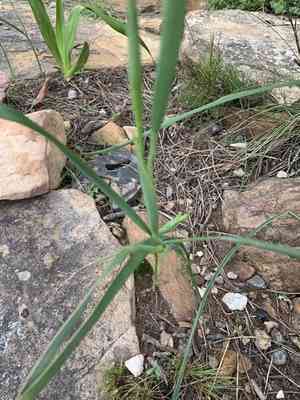
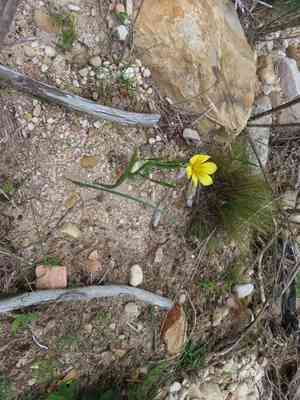
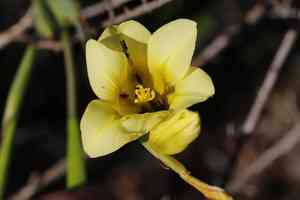
Quickly Identify Apricot tulip
1
Look for slender, sword-shaped leaves and bright yellow flowers with a dark pigmentation at the base of each petal. The plant typically blooms in the spring.
Scientific Classification of Apricot tulip
Phylum
Vascular plants
Class
Monocotyledons
Order
Asparagales
Family
Iris
Genus
Cape Tulips
Species
Apricot tulip
Planting and Growing of Apricot tulip
Care Difficulty
Easy
Watering Schedule
Every 2 days
Sunlight Requirements
Full sun
Sunshine Duration
6-10 hours
Ideal Temperature
60-75℉
Soil Type
Potting Mix, Peat Mix
Soil pH
6.5-7.5
Fertilizer Type
Balanced
Pruning Season
Spring, Summer
Pruning Area
Branches, Leaves
Pruning Frequency
2 times a year
Repotting Season
Spring
Pot Type
Plastic, Ceramic
 How to Water Apricot tulip?
Moraea ochroleuca thrives in well-draining soil, and it's vital to water it just enough to keep the soil slightly moist but never soggy. Watering should be deep yet infrequent, using approximately 100 ml each time to sufficiently moisten the root ball without waterlogging the soil.
What are the symptoms of an underwatered Apricot tulip?
›
What should I do if my Apricot tulip is not getting enough water?
›
What are the symptoms of an overwatered Apricot tulip?
›
How to save an overwatered Apricot tulip?
›
 What Are the Sunlight Requirements for Apricot tulip?
The ideal light range for Moraea ochroleuca is a combination of full and partial sunlight for about 4 to 6 hours daily. This balance favors its growth and blooming, replicating the sun-rich environments it naturally prospers in, enhancing its aesthetic and physiological resilience.
How much sunlight does Moraea ochroleuca need?
›
What solutions help achieve the ideal lighting?
›
What are the benefits of ideal lighting for Moraea ochroleuca?
›
 What Is the Ideal Temperature Range for Apricot tulip?
Moraea ochroleuca thrives best in temperatures between 60°F and 75°F. These conditions simulate its natural habitat, promoting healthy growth and vibrant foliage. It is important to maintain this range to achieve optimal photosynthesis rates.
 What Soil is Best for Apricot tulip?
For Moraea ochroleuca, it's crucial to have well-draining soil to prevent root rot. Ensuring proper drainage allows air to circulate, which is vital for robust root health and optimum growth. A nutrient-rich soil ensures that Moraea ochroleuca receives the essential elements necessary for flowering and vegetative growth. Regular addition of organic matter can help maintain these nutrient levels. Moraea ochroleuca prefers a moderately moist environment. Balanced moisture levels encourage steady growth without the risk of fungal infections common in overly wet conditions.
 How to Fertilize Apricot tulip?
For the Moraea ochroleuca, a careful balance in fertilization ensures optimal growth without risking root damage. Use a diluted liquid fertilizer at half strength. Too much can lead to nutrient burn, so moderation is crucial.
 How to Prune Apricot tulip?
Begin by observing the plant structure to identify spent blooms and dead leaves. Gently trim these parts back to the base or a healthy node. Avoid cutting green, healthy foliage, as it is essential for photosynthesis and overall plant nutrition. After pruning, water the plant adequately and ensure it is in a well-draining soil environment. Apply a light fertilizer to support new growth, but avoid over-fertilizing which can harm the plant.
More About Pruning Techniques→
 How to Propagate Apricot tulip plant?
1
Fill seed trays with sterilized potting mix, ensuring even coverage and drainage. Moisten the mix slightly to create a conducive environment for seed germination.
2
Scatter the Moraea ochroleuca seeds evenly over the soil surface. Cover them lightly with a thin layer of potting mix or vermiculite to keep them in place.
3
Place the trays in a warm, well-lit area, ensuring temperatures remain between 18-22°C. Keep the soil consistently moist, but not waterlogged, to promote germination.
 How to Repot Apricot tulip plant?
1
Repot Moraea ochroleuca when you notice root-bound growth or poor water drainage. These signs suggest that the current pot is cramped. Spring or autumn is the ideal time because the plant is semi-dormant and less likely to experience stress during these seasons.
2
Select a pot that is one size larger than the current one, with sufficient drainage holes. A slightly larger pot provides room for growth and prevents standing water, which can cause root rot. A terracotta pot is ideal as it allows excess moisture to evaporate.
3
Opt for a well-draining sandy mix with organic material. This type of soil provides the balance between moisture retention and aeration, crucial for the root health of Moraea ochroleuca. It mimics the plant's natural habitat, promoting healthy growth.
Learn More About Apricot tulip Diseases
Anthracnose
Bacterial Leaf Spot
Bacterial Soft Rot
Bacterial Wilt
Black Spot
Chemical Injury
Crown Gall
Cyst Nematode
Damping-off
Downy Mildew
Drought Stress
Fusarium Wilt
Gray Mold
Leaf Curl
Leaf Spot
Mosaic
Nutrient Deficiency
Nutrient Toxicity
Powdery Mildew
Root Rot
Root-knot Nematode
Rusts
Sooty Mold
Spider Mites
Temperature Stress
Thrips Damage
White Mold



