
Two-leaf cape tulip (Moraea miniata)
Also known as: Salmon capetulip
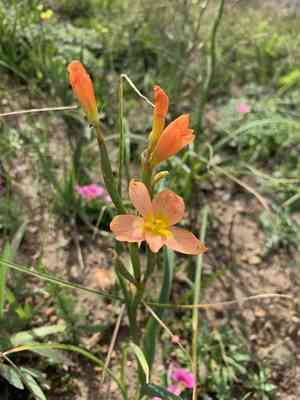
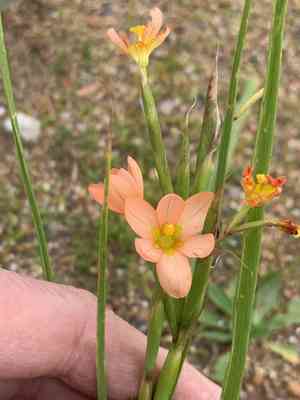
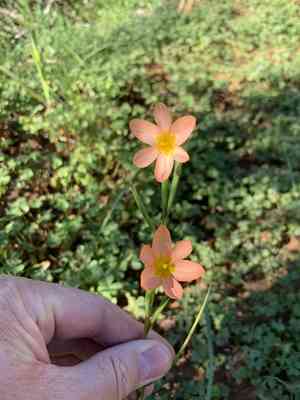
The two-leaf cape tulip (Moraea miniata) is distinguished by its vibrant orange or scarlet flowers that bloom on tall, slender stems. These bright flowers attract pollinators in their native South African environment, where the plant often grows in seasonally moist regions. It features fleshy, sword-like leaves that fan out, creating a green contrast to the vivid blooms. The plant's corms are hardy, allowing it to endure dry spells and regrow when moisture returns.
In This Article
Attributes of Two-leaf cape tulip
Lifespan
Perennial
Plant Height
20-30 cm
Spread
N/A
Leaf Color
Green
Flower Size
3-5 cm
Flower Color
Orange-red with darker center and yellow markings
Images of Two-leaf cape tulip
Quickly Identify Two-leaf cape tulip
1
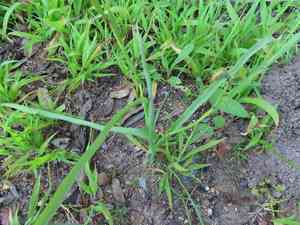
To identify Moraea miniata, look for its characteristic orange-red flowers, slim and erect leaves, and bulbous roots. The flowers usually have a darker center and yellow markings.
Scientific Classification of Two-leaf cape tulip
Phylum
Vascular plants
Class
Monocotyledons
Order
Asparagales
Family
Iris
Genus
Cape Tulips
Species
Two-leaf cape tulip
Planting and Growing of Two-leaf cape tulip
Care Difficulty
Moderate
Watering Schedule
Every 3 days
Sunlight Requirements
Partial sun
Sunshine Duration
4-6 hours
Ideal Temperature
65-75℉
Soil Type
Potting Mix, Peat Mix
Soil pH
6.5-7.5
Fertilizer Type
Balanced
Pruning Season
Spring, Summer
Pruning Area
Branches, Leaves
Pruning Frequency
2 times a year
Repotting Season
Spring
Pot Type
Plastic, Ceramic
 How to Water Two-leaf cape tulip?
For Moraea miniata, ensure the soil is evenly moist but not waterlogged. Aim for about 250 ml per watering session, allowing the soil to dry slightly between waterings. This mimics its natural habitat conditions, providing ample moisture without drowning the roots.
What are the symptoms of an underwatered Two-leaf cape tulip?
›
What should I do if my Two-leaf cape tulip is not getting enough water?
›
What are the symptoms of an overwatered Two-leaf cape tulip?
›
How to save an overwatered Two-leaf cape tulip?
›
 What Are the Sunlight Requirements for Two-leaf cape tulip?
Partial sun is ideal for Moraea miniata, offering enough light for optimum growth. This configuration supports lush foliage and enhances flowering, replicating its native habitat conditions which promote resilience and vitality.
Optimal Light Duration
›
Solution for Ideal Light
›
Benefits of Ideal Lighting
›
 What Is the Ideal Temperature Range for Two-leaf cape tulip?
Moraea miniata thrives best in temperatures ranging from 65 to 75°F. This range provides optimal conditions for growth and flowering, mimicking its native environment. Consistent temperatures within this range help in maintaining healthy plant metabolism and reduce stress.
 What Soil is Best for Two-leaf cape tulip?
Moraea miniata thrives in well-drained soils that mimic its native habitat in South African grasslands. Good drainage prevents root rot and ensures healthy growth, making it essential for this plant's maintenance. This plant prefers soils of moderate fertility, which provide enough nutrients for flourishing blooms without overwhelming it. Balanced soil fertility results in vibrant flowers and lush foliage, enhancing its ornamental appeal. Moraea miniata benefits from aerated soil, which allows for efficient gas exchange and root respiration. Adequate aeration promotes healthy root development and prevents compaction, keeping the plant robust.
 How to Fertilize Two-leaf cape tulip?
For Moraea miniata, apply a balanced liquid fertilizer at half strength to ensure the plant receives essential nutrients without the risk of over-fertilization. Use approximately 2 teaspoons per gallon of water when applying.
 How to Prune Two-leaf cape tulip?
Begin by removing any dead or yellowing leaves at the base of the plant. This not only keeps Moraea miniata looking tidy but also allows more nutrients and energy to reach the healthy parts of the plant, promoting vibrant blooms. After flowering, trim back the spent flower stalks to encourage the plant to focus its energy on root and foliage growth. Cut the stalks down to the base, being careful not to damage any new growth or buds. If the plant has grown too large or unruly, prune to shape it by cutting back overgrown areas. Always cut at a node or just above a leaf to maintain an aesthetically pleasing form while supporting the plant’s natural growth patterns.
More About Pruning Techniques→
 How to Propagate Two-leaf cape tulip plant?
1
Begin with filling the seed tray with a well-draining soil mix. Sow the seeds evenly on the surface and cover them lightly with a thin layer of soil. Ensure the soil remains moist but not waterlogged throughout the germination period.
2
Divide the mature Moraea miniata plant during the early spring. Use a garden spade to carefully dig around the plant and lift the clumps. Gently separate the clumps by hand, ensuring each division has a portion of the root system.
3
Once the new plants have established roots, transplant them into individual containers or garden beds with similar soil conditions. Water them well after planting, ensuring they are placed in a position with adequate light.
 How to Repot Two-leaf cape tulip plant?
1
Moraea miniata typically requires repotting when you notice the plant becoming root-bound, which is evident when roots start protruding from the drainage holes or coiling at the soil surface. Other signs that indicate the need for repotting include reduced growth or water retention issues. Ideally, repot during its active growing season, when the plant can recover quickly.
2
Select a pot that is slightly larger than the current one, with good drainage holes to prevent waterlogging, which can lead to root rot. A terracotta pot can be a good choice as its porous nature allows excess moisture to escape easily. The right-sized pot provides space for roots to expand without causing stress due to over-spacing.
3
Use a well-draining potting mix to ensure that water flows through easily, preventing root rots caused by soggy conditions. A mix that contains components like perlite, sand, and some organic matter will provide both aeration and nutrients, helping Moraea miniata thrive after repotting.
Learn More About Two-leaf cape tulip Diseases
Anthracnose
Bacterial Leaf Spot
Bacterial Soft Rot
Bacterial Wilt
Black Spot
Chemical Injury
Crown Gall
Cyst Nematode
Damping-off
Downy Mildew
Drought Stress
Fusarium Wilt
Gray Mold
Leaf Curl
Leaf Spot
Mosaic
Nutrient Deficiency
Nutrient Toxicity
Powdery Mildew
Root Rot
Root-knot Nematode
Rusts
Sooty Mold
Spider Mites
Temperature Stress
Thrips Damage
White Mold



