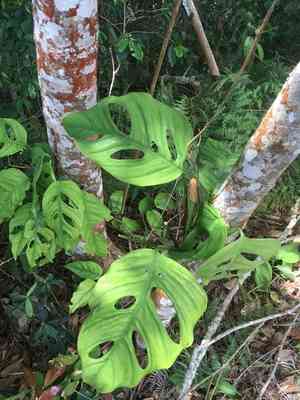
Monstera obliqua (Monstera obliqua)
Also known as: Swiss Cheese Vine, Adanson's Monstera, Monstera Monkey Mask
Monstera obliqua (Monstera obliqua) is a plant species native to Central and South America. Monstera obliqua is named for the holes in its leaves. This species is considered expensive to cultivate and is also considered a rare houseplant species. Monstera obliqua is often compared to similar species Monstera adansonii, which has leaves with a different shape and texture.
Attributes of Monstera obliqua
Images of Monstera obliqua
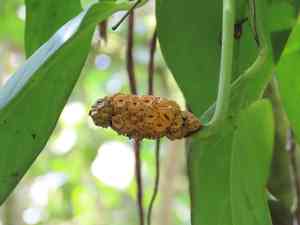
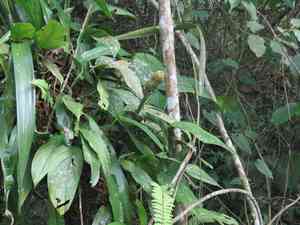
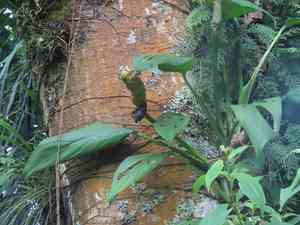
Quickly Identify Monstera obliqua
Scientific Classification of Monstera obliqua
Planting and Growing of Monstera obliqua
 How to Water Monstera obliqua?
 What Are the Sunlight Requirements for Monstera obliqua?
 What Is the Ideal Temperature Range for Monstera obliqua?
 What Soil is Best for Monstera obliqua?
 How to Fertilize Monstera obliqua?
 How to Prune Monstera obliqua?
 How to Propagate Monstera obliqua plant?
 How to Repot Monstera obliqua plant?
Toxicity of Monstera obliqua
Is Monstera obliqua toxic to humans?
Similar to other members of the *Monstera* genus, monstera obliqua possesses toxic properties that can impact humans if ingested or handled. The plant contains oxalate crystals in all of its components, which can lead to mild to moderate adverse effects. Ingesting parts of the plant may result in symptoms such as burning sensations and swelling in the mouth, excessive saliva production, stomach discomfort, as well as challenges with swallowing, speaking, or breathing. Additionally, contact with the plant's sap can lead to dermatitis and skin irritation. As a widely favored houseplant, monstera obliqua is easily accessible to children, who may be more susceptible to its harmful effects. Therefore, it is advisable to wear gloves when interacting with this plant to prevent direct exposure to the sap.
Is Monstera obliqua toxic to cat?
Monstera obliqua is known to be toxic to cats, presenting significant health hazards. All parts of this plant are harmful, and if a cat were to consume any section of monstera obliqua, it could result in poisoning. Symptoms of distress may appear if parts of the plant are ingested, which necessitates immediate veterinary intervention. To avoid unintentional ingestion, cat owners should keep monstera obliqua safely out of their pets' reach. In case of poisoning, it is vital to promptly seek treatment at a veterinary clinic to manage the symptoms and provide suitable care.
Is Monstera obliqua toxic to dog?
Monstera obliqua is recognized as toxic to dogs. When dogs consume any part of this plant, they risk poisoning due to the inherent toxicity found throughout all sections of the plant. Dogs may encounter monstera obliqua inadvertently while playing or exploring their surroundings. Symptoms of poisoning in dogs can include gastrointestinal distress, vomiting, diarrhea, excessive drooling, and in more severe instances, systemic reactions such as respiratory difficulties or alterations in heart rate. It is essential for dog owners to restrict access to monstera obliqua and to vigilantly observe their pets for any signs of suffering. If a dog ingests monstera obliqua, it is vital to seek prompt veterinary assistance to secure the best possible prognosis for the affected pet.



