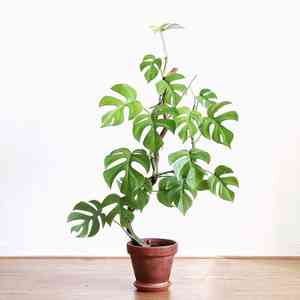
Monstera minima (Monstera minima)
Also known as: Raphidophora tetrasperma, Mini Monstera, Philodendron Ginny, Philodendron 'Piccolo'
Belonging to the Araceae, or arum family, Monstera minima is a flowering plant species that takes its place in the Monstera genus. Its leaves, which are markedly smaller than those of its relatives, give rise to its binomial name, minima, symbolizing the minimum leaf size among the Monstera species. This species is readily identified from the others in the same genus because its peduncles, or flower stalks, are noticeably longer than its leaves.
In This Article
Attributes of Monstera minima
Lifespan
Perennial
Plant Height
3 to 6 feet
Spread
N/A
Leaf Color
Deep Green
Flower Size
N/A
Flower Color
N/A
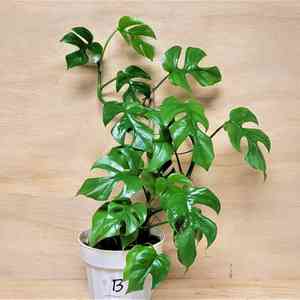
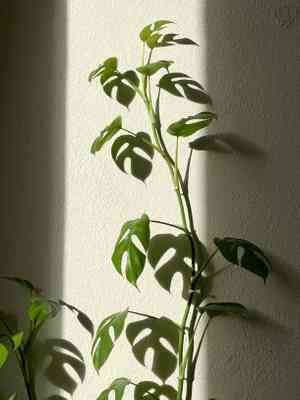
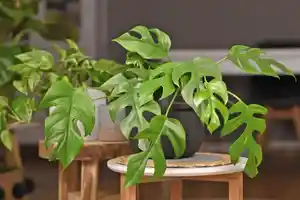
Images of Monstera minima
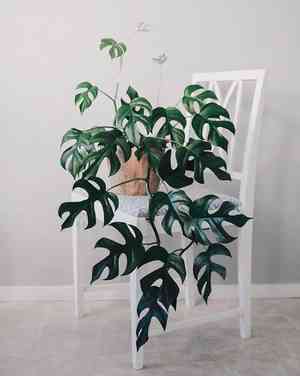
Quickly Identify Monstera minima
1
Identify Monstera minima by its small, deeply lobed leaves and vine-like growth. It is often mistaken for the larger Monstera deliciosa, but its leaves are significantly smaller.
Scientific Classification of Monstera minima
Phylum
Angiosperms
Class
Monocots
Order
Alismatales
Family
Araceae
Genus
Monstera
Species
M. minima
Planting and Growing of Monstera minima
Care Difficulty
Easy
Watering Schedule
Every 2 days
Sunlight Requirements
Partial sun
Sunshine Duration
6-10 hours
Ideal Temperature
65-80℉
Soil Type
Potting Mix, Peat Mix
Soil pH
6-7.5
Fertilizer Type
Balanced
Pruning Season
Spring, Summer
Pruning Area
Branches, Leaves
Pruning Frequency
Once a year
Repotting Season
Spring
Pot Type
Plastic, Ceramic
 How to Water Monstera minima?
Water Monstera minima generously, ensuring the top inch of soil is consistently moist but not soggy. Stick to approximately 500 ml of water per session and ensure excess water drains completely to prevent root rot.
What are the symptoms of an underwatered Monstera minima?
›
What should I do if my Monstera minima is not getting enough water?
›
What are the symptoms of an overwatered Monstera minima?
›
How to save an overwatered Monstera minima?
›
 What Are the Sunlight Requirements for Monstera minima?
Partial sun allows Monstera minima to absorb necessary light for photosynthesis without the harshness of full sun, promoting lush growth and leaf durability while maintaining its natural form.
Desired Sunlight Hours
›
Solutions for Ideal Light
›
Benefits of Proper Lighting
›
 What Is the Ideal Temperature Range for Monstera minima?
What is the ideal temperature range for Monstera minima growth? The ideal temperature range is between 65°F and 80°F. This temperature range provides the optimal conditions for photosynthesis and nutrient absorption, ensuring healthy and vibrant growth. Maintaining these temperatures helps to mimic the tropical climates native to the plant, promoting robust foliage development.
 What Soil is Best for Monstera minima?
Monstera minima thrives in well-drained soil that prevents waterlogging. Good drainage is crucial as it mimics the natural environment of the plant, ensuring roots have access to oxygen and reducing the risk of root rot. Rich organic matter in the soil provides essential nutrients and maintains moisture, replicating the leaf litter found in its native tropical habitat. This results in healthier, more vigorous growth with lush green leaves. An aerated soil texture allows for easy root expansion and better nutrient uptake. This ensures that Monstera minima's roots are not suffocated, enabling efficient absorption of water and minerals, leading to robust plant development.
 How to Fertilize Monstera minima?
The ideal amount of fertilizer for Monstera minima is crucial for its healthy growth. Use a balanced liquid fertilizer diluted to half strength—about one tablespoon per gallon of water. This minimized concentration provides adequate nutrition without overwhelming the plant.
 How to Prune Monstera minima?
Begin by gathering clean, sharp pruning shears to prevent tearing the plant tissues. Before you start, examine the plant for any dead or yellowing leaves as these should be your initial target. Carefully cut these unwanted leaves near the base without damaging the main stem. This not only improves the plant's appearance but also prevents unnecessary energy drain. To shape your Monstera minima, look for any long vines that are extending beyond the desired shape. Follow these vines back to a node and make a cut just above it. This practice encourages new growth from the node, helping the plant maintain a compact and attractive form. Remember, shaping is about personal preference, so step back frequently to assess your progress and ensure it aligns with your vision.
 How to Propagate Monstera minima plant?
1
Choose a healthy stem of Monstera minima with at least two nodes. This ensures that the cutting has enough growth points from which roots can develop.
2
Use a well-draining potting mix or seed starter mix to plant the cuttings. It's crucial to have a mix that retains moisture without becoming waterlogged to prevent root rot.
3
Dip the cut end of the stem in rooting hormone, then insert it into the moistened soil. Ensure that at least one node is below the soil line to facilitate root development.
 How to Repot Monstera minima plant?
1
Monstera minima signals its need for a new pot when roots start peeking through the drainage holes or if growth has noticeably slowed. The ideal time to repot is during its active growth seasons, spring or summer, when the plant has the energy to adapt to new conditions.
2
Select a pot that is one size bigger than the current pot to give roots room to grow without risk of overwatering. Ensure it has adequate drainage holes to prevent waterlogging, which can lead to root rot. A terracotta pot can be a good choice as it allows excess moisture to evaporate.
3
Opt for a well-draining potting mix designed for tropical plants. A blend containing peat, perlite, and orchid bark will provide excellent drainage and aeration. This setup mimics the plant’s natural epiphytic conditions, encouraging healthy root development.
Toxicity
Ingestion
WARNING
The judgment on toxicity and danger is for reference only. We DO NOT GUARANTEE any accuracy of such judgment. Therefore, you SHALL NOT rely on such judgment. It is IMPORTANT TO SEEK PROFESSIONAL ADVICE in advance when necessary.

