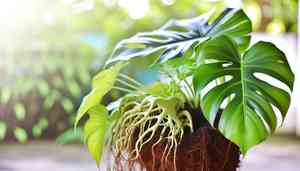
Monstera dubia (Monstera dubia)
Also known as: Shingle Plant
Monstera dubia, a native plant species of Central and South America, belongs to the Monstera genus. The distinguishing characteristic of M. dubia lies in its leaf's dynamic change, which goes from a seed stage on the forest soil, climbing up a host tree or other surfaces, culminating in the emergence of mature leaves with fenestrations akin to Monstera deliciosa. This change in leaves is an illustration of leaf dimorphism. The term 'Dubia' translates to dubious, which is due to the initial uncertainty among researchers about whether this species fell into the Marcgravia genus, under which it was originally classified.
In This Article
Attributes of Monstera dubia
Lifespan
Monstera dubia is a perennial plant.
Plant Height
5-15 feet
Spread
Varies
Leaf Color
Green, Silver
Flower Size
Not significant
Flower Color
Insignificant or not present
Images of Monstera dubia
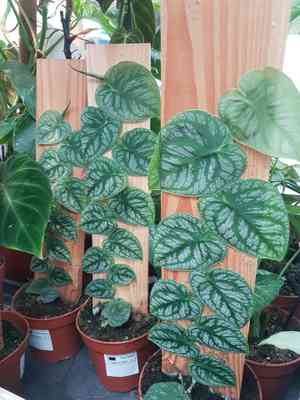

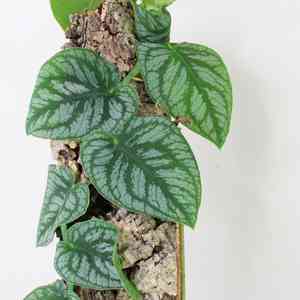

Quickly Identify Monstera dubia
1
Look for juvenile leaves that are small, heart-shaped, and grow flat against a surface (like a shingling pattern). As it matures, the leaves become larger with distinct holes (fenestrations).
Scientific Classification of Monstera dubia
Phylum
Magnoliophyta
Class
Liliopsida
Order
Alismatales
Family
Araceae
Genus
Monstera
Species
M. dubia
Planting and Growing of Monstera dubia
Watering Schedule
Every 2 days
Sunlight Requirements
Partial sun
Sunshine Duration
6-10 hours
Ideal Temperature
65-80℉
Soil Type
Potting Mix, Peat Mix
Soil pH
5.5-7.5
Fertilizer Type
Balanced
Pruning Season
Spring, Summer
Pruning Area
Branches, Leaves
Pruning Frequency
2 times a year
Repotting Season
Spring
Pot Type
Ceramic, Plastic
 How to Water Monstera dubia?
For Monstera dubia, ensure that the soil is moist but not waterlogged. Water approximately 250ml each time and aim to evenly soak the soil without leaving standing water in the pot. The goal is to mimic the plant's natural tropical rainforest environment where it gets regular, light showers.
What are the symptoms of an underwatered Monstera dubia?
›
What should I do if my Monstera dubia is not getting enough water?
›
What are the symptoms of an overwatered Monstera dubia?
›
How to save an overwatered Monstera dubia?
›
 What Are the Sunlight Requirements for Monstera dubia?
Monstera dubia thrives in partial sun to full shade environments. Ideal light ensures its vibrant foliage and healthy growth patterns are maintained, similar to what it experiences in its natural understory habitat.
What type of light is ideal for Monstera dubia?
›
How can I provide the ideal light conditions?
›
What are the benefits of providing ideal light conditions?
›
 What Is the Ideal Temperature Range for Monstera dubia?
Monstera dubia thrives best in temperatures ranging from 65°F to 80°F. This range provides the warmth required for optimal physiological functioning, enabling efficient photosynthesis and nutrient uptake. Maintaining temperatures within this range ensures healthy growth and vibrant foliage.
 What Soil is Best for Monstera dubia?
Monstera dubia thrives in soil that retains moisture while still providing adequate drainage. Loamy soil, known for its balanced texture, ensures the right moisture levels, preventing roots from drying out and promoting lush growth. This plant prefers soil enriched with organic matter. Sandy loam or peat soils rich in nutrients support healthy foliage development and vibrant leaf patterns, essential for Monstera dubia's growth. Good drainage is critical to avoid waterlogged conditions. A blend that includes peat ensures excess water escapes easily, protecting the roots from rot and ensuring the plant's longevity.
 How to Fertilize Monstera dubia?
For Monstera dubia, it's crucial to use a balanced fertilizer with an N-P-K ratio of 20-20-20 for liquids. Apply the fertilizer at half strength when using liquid formulas. During the growing seasons of spring and summer, consider the plant's lush growth habits to determine the exact amount.
 How to Prune Monstera dubia?
Start by identifying which areas you want to prune. Look for yellowing or damaged leaves and trim those first. Follow by pruning any excessively long stems that disrupt the aesthetic balance of the plant. Make clean cuts just above a node to encourage new growth. Always step back occasionally to ensure you're achieving the desired shape and not cutting too much. After pruning, ensure the plant resumes its normal watering schedule. Inspect the plant for any signs of stress such as wilting and adjust care accordingly. Providing a specialized plant fertilizer can also help bolster growth following significant pruning, helping the Monstera dubia recover quickly.
 How to Propagate Monstera dubia plant?
1
Choose a healthy stem with at least two nodes. Nodes are where the leaves attach to the stem, and they are the points from which new roots and shoots typically grow.
2
Use a well-draining potting mix suitable for aroids. A mix of peat, perlite, and orchid bark will provide the required aeration and drainage for Monstera dubia cuttings.
3
Insert the cutting into the prepared potting mix, ensure the node is buried in the soil, and water it lightly. Ensure the soil remains moist but not waterlogged.
 How to Repot Monstera dubia plant?
1
Monstera dubia needs repotting when roots outgrow the current pot or the soil drains poorly. If the plant shows slow growth or yellowing leaves, it's a strong indicator that the roots are bound, signaling the need for repotting for fresh soil and more room.
2
Select a pot 1-2 inches wider in diameter than the current one to provide the perfect balance of space and containment. The pot should have good drainage holes to ensure excess water can escape easily, promoting healthy root development and preventing root rot.
3
Opt for a well-draining aroid mix that mimics the plant's natural habitat. It should include ingredients like perlite and orchid bark to enhance aeration and drainage while retaining enough moisture to keep the plant hydrated and healthy.
Toxicity
Ingestion
WARNING
The judgment on toxicity and danger is for reference only. We DO NOT GUARANTEE any accuracy of such judgment. Therefore, you SHALL NOT rely on such judgment. It is IMPORTANT TO SEEK PROFESSIONAL ADVICE in advance when necessary.

