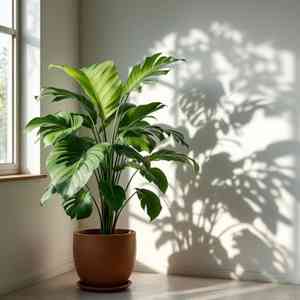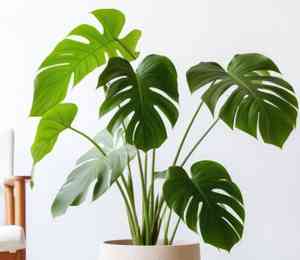
Swiss cheese plant(Monstera deliciosa)

Swiss cheese plant (Monstera deliciosa)

Also known as: Fruit salad plant, Mexican breadfruit

The Monstera deliciosa, often called the Swiss cheese plant, is a favored houseplant known for its shiny, hole-filled leaves. Native to Central America's tropical forests, its name comes from the distinctive perforations in its foliage. The plant also produces elongated fruits that look like corncobs and emit a sweet fragrance when ripe.

Attributes of Swiss cheese plant

Lifespan
Perennial
Plant Type
Herb, Vine
Plant Height
3 m to 20 m
Spread
6 m
Leaf Color
Green White
Flower Size
15 cm to 30 cm
Flower Color
White Cream

PlantJoy - Identify plants with a snap

Identify and diagnose plants, get toxicity alerts, and explore safety guides for all types of fungi.

Try for Free

Images of Swiss cheese plant

Swiss cheese plant(Monstera deliciosa)

Quickly Identify Swiss cheese plant

1
Massive, glossy dark green leaves up to 2 feet (60 cm) wide and 3 feet (90 cm) long.
2
Distinctly lobed and perforated leaves with characteristic holes throughout each leaf.
3
Stout petioles, 2 to 3 feet (60 to 90 cm) long, angling leaves downwards.
4
Thick, cord-like aerial roots on stems up to 2 inches (5 cm) thick for climbing.
5
Notable junction between leaf blade and petiole on mature leaves.

Scientific Classification of Swiss cheese plant

Phylum
Vascular plants
Class
Monocotyledons
Order
Water plantains and allies
Family
Arum
Genus
Monsteras
Species
Swiss cheese plant

Planting and Growing of Swiss cheese plant

Care Difficulty
Easy
Watering Schedule
Every 2 days
Sunlight Requirements
Partial sun
Sunshine Duration
4-8 hours
Ideal Temperature
65-85℉
Soil Type
Potting Mix, Peat Mix
Soil pH
5.5-7.5
Fertilizer Type
Balanced
Pruning Season
Spring, Summer
Pruning Area
Branches, Leaves
Pruning Frequency
2 times a year
Repotting Season
Spring
Pot Type
Plastic, Ceramic

water icon How to Water Swiss cheese plant?

For Monstera deliciosa, aim to water until the soil feels evenly moist but never waterlogged. Approximately 500 ml per session is ideal, ensuring moisture reaches the root zone without causing the pot to sit in water.
What are the symptoms of an underwatered Swiss cheese plant?
What should I do if my Swiss cheese plant is not getting enough water?
What are the symptoms of an overwatered Swiss cheese plant?
How to save an overwatered Swiss cheese plant?
More About Watering Techniques

sunlight icon What Are the Sunlight Requirements for Swiss cheese plant?

Sunlight Requirements: Partial sun
Duration of light: 4-6 hours per day
Monstera deliciosa prefers partial sun, meaning bright, indirect light for about 4-6 hours daily. This condition promotes optimal leaf size and health, maintaining its striking appearance.
Optimal Lighting Environment
Achieving Indirect Sunlight
Benefits of Ideal Lighting
More About Sunlight Requirements Techniques

temperature icon What Is the Ideal Temperature Range for Swiss cheese plant?

Ideal Temperature: 65 ~ 85℉
Monstera deliciosa thrives best when grown in temperatures between 65 to 85°F. This temperature range ensures the plant grows vigorously and remains healthy. The warmer temperatures within this range support faster leaf development and fenestration, which is the characteristic split and hole pattern on the leaves. Maintaining these temperatures helps mimic the plant's native tropical environment.

soil icon What Soil is Best for Swiss cheese plant?

Soil type: Loam, Sandy loam
Soil PH: 5.5 ~ 7.5
Monstera deliciosa thrives in well-draining soil, which is essential to prevent root rot from excess water. This type of soil helps the roots to breathe and ensures healthy growth. A soil rich in organic matter is beneficial for Monstera deliciosa as it provides essential nutrients needed for its lush and vibrant foliage. It also improves soil structure and fertility. While Monstera requires well-draining soil, it also benefits from soil that can retain adequate moisture. This balance keeps the plant hydrated while avoiding waterlogging. More About Soil

fertilize icon How to Fertilize Swiss cheese plant?

Fertilizer type: Balanced
Monstera deliciosa prefers balanced fertilizers but not in excessive amounts. It's best to start with approximately one tablespoon of general-purpose liquid fertilizer mixed with a gallon of water. Use it every other watering during the growing season for optimal results. More About Fertilizing Techniques

prune icon How to Prune Swiss cheese plant?

Pruning Time: Summer
Begin by sterilizing your pruning shears to prevent the spread of disease. Identify any yellowing, damaged, or dead leaves and prune them at the base. To encourage bushier growth, cut just above a node, where leaves or aerial roots are attached. This redirects the plant's energy into producing new shoots. If your Monstera is becoming unruly, you can also trim back long stems to maintain the desired shape, always making cuts at a slight angle to prevent water accumulation. More About Pruning Techniques

propagate icon How to Propagate Swiss cheese plant plant?

Propagate Time: Spring, Early spring, Late spring
1
Choose a healthy stem with at least two nodes and one leaf. Use sterilized shears to make a clean cut just below a node. This promotes rooting from the node.
2
Dip the cut end into rooting hormone powder to encourage root growth. Tap off excess powder to avoid overapplication, which could harm the cutting.
3
Insert the cutting into a moist growing medium. Ensure at least one node is below the surface for effective rooting. Keep the medium consistently damp but not soggy.
More About Propagating Techniques

repot icon How to Repot Swiss cheese plant plant?

Repotting frequency: Every 1-2 years
1
Look for these signs: roots emerging from the pot's drainage holes, the noticeable slowing of the plant's growth, or if water sits on top of the soil instead of being absorbed quickly. These indicate it's time for a repotting session to ensure optimal growth.
2
Select a pot that is one size larger than the current one with good drainage. This provides enough room for growth and prevents water from pooling at the base, which would otherwise promote root rot.
3
Opt for a well-draining potting mix. A mix that includes bark, perlite, and peat moss provides the ideal balance of moisture retention and aeration, helping to prevent overwatering while keeping roots happy and thriving.
More About Repotting Techniques

PlantJoy - Identify plants with a snap

Find the best spots for them to optimize their health, simply using your phone.

Try for Free

Toxicity of Swiss cheese plant

Is Swiss cheese plant toxic to humans?

The Swiss cheese plant is classified as having low toxicity to humans. Contact with its sap may result in contact dermatitis, which can lead to skin irritation, redness, itchiness, mild discomfort, and inflammation. Consuming large amounts of any part of the plant, except for the fruit, could trigger a toxic reaction due to the presence of calcium oxalate crystals and various other toxins. Symptoms of poisoning may include a burning sensation in the mouth, tongue, and throat, nausea, vomiting, difficulty swallowing, excessive drooling, and diarrhea. The risk of poisoning primarily arises from accidental exposure to the sap. This plant is frequently cultivated as a houseplant and can also be found in tropical forests.

Is Swiss cheese plant toxic to cat?

Any part of the Swiss cheese plant (Monstera deliciosa) when chewed will release calcium oxalate crystals that possess moderate toxicity for cats. These crystals can lead to irritation in the mouth, resulting in pain and swelling. If ingested, they may cause vomiting and diarrhea. In some instances, the airway may become swollen, making it challenging for the dog or cat to breathe. In these situations, prompt veterinary assistance might be required.

Is Swiss cheese plant toxic to dog?

The Swiss cheese plant poses a moderate toxicity risk to dogs if chewed. Every part of the plant is toxic. It contains calcium oxalate crystals, which can irritate the tissues of the tongue, mouth, stomach, and throat. These crystals may even become lodged in the dog's stomach and intestines. Due to its bitter taste and the rapid irritation it causes in a dog’s mouth, they usually only consume a small amount before rejecting it.

Identify toxic plants for your safety

Learn which plants are harmful to you and your pets, and make informed choices for a safer home!

Try for Free
WARNING
The judgment on toxicity and danger is for reference only. We DO NOT GUARANTEE any accuracy of such judgment. Therefore, you SHALL NOT rely on such judgment. It is IMPORTANT TO SEEK PROFESSIONAL ADVICE in advance when necessary.
More About Toxic Techniques