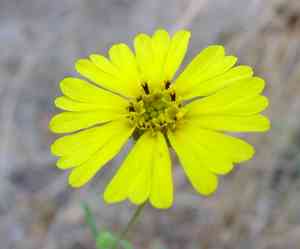
Woodland monolopia (Monolopia gracilens)
Also known as: Gracious Goldfields
Woodland monolopia, an annual herb with slender stems and bright yellow, cup-shaped flowers, prospers in sunny, open grasslands. It is well-suited to the nutrient-poor soils found in its native Californian habitat. The plant's sparse foliage is an adaptation to the dry seasons typical of the region, helping it conserve water effectively.
In This Article
Attributes of Woodland monolopia
Lifespan
Annual
Plant Height
10-50 cm
Spread
10-20 cm
Leaf Color
Green
Flower Size
2-3 cm
Flower Color
Yellow
Images of Woodland monolopia
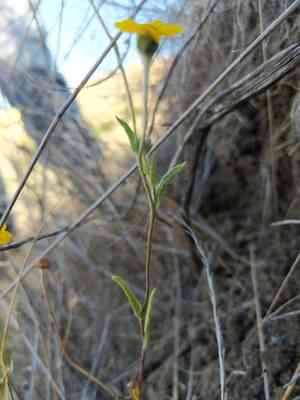
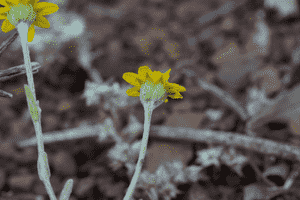
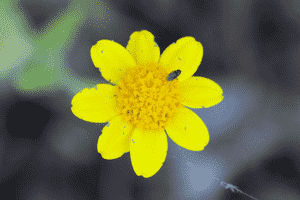
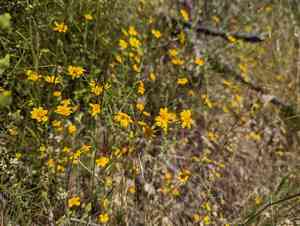
Quickly Identify Woodland monolopia
1
Monolopia gracilens can be identified by its slender, upright stem, narrow leaves, and its bright yellow, daisy-like flowers that bloom in spring.
Scientific Classification of Woodland monolopia
Phylum
Vascular plants
Class
Dicotyledons
Order
Asterales
Family
Daisy
Genus
Monolopia
Species
Woodland monolopia
Planting and Growing of Woodland monolopia
Care Difficulty
Moderate
Watering Schedule
Every 2 days
Sunlight Requirements
Full sun
Sunshine Duration
4-6 hours
Ideal Temperature
60-75℉
Soil Type
Potting Mix, Peat Mix
Soil pH
6.5-7.5
Fertilizer Type
Balanced
Pruning Season
Spring, Summer
Pruning Area
Branches, Leaves
Pruning Frequency
2 times a year
Repotting Season
Spring
Pot Type
Plastic, Ceramic
 How to Water Woodland monolopia?
Monolopia gracilens requires about 250 ml of water per session. Ensure that the soil is thoroughly moistened but not waterlogged. Water until you see a slight runoff from the bottom of the pot, but ensure proper drainage to prevent standing water that can cause root rot.
What are the symptoms of an underwatered Woodland monolopia?
›
What should I do if my Woodland monolopia is not getting enough water?
›
What are the symptoms of an overwatered Woodland monolopia?
›
How to save an overwatered Woodland monolopia?
›
 What Are the Sunlight Requirements for Woodland monolopia?
Monolopia gracilens prefers full sun to partial sun exposure, ensuring at least 5-6 hours of direct sunlight daily. This lighting condition boosts flowering and sustains vigorous plant health.
What is the best sunlight exposure for Monolopia gracilens?
›
How can I ensure Monolopia gracilens gets the ideal amount of sunlight daily?
›
What benefits does Monolopia gracilens gain from optimal sunlight exposure?
›
 What Is the Ideal Temperature Range for Woodland monolopia?
For Monolopia gracilens, the ideal temperature range is between 60°F and 75°F. These temperatures provide optimal conditions for photosynthesis and nutrient uptake, promoting healthy growth. Within this range, the plant can maintain its metabolic functions effectively.
 What Soil is Best for Woodland monolopia?
Monolopia gracilens thrives in well-drained soil that prevents waterlogging and root rot. This type of soil allows for proper aeration of the roots, promoting healthy plant growth and preventing diseases related to excess moisture. The plant benefits from soil rich in organic matter. Such soil provides essential nutrients required for vigorous growth, resulting in vibrant and robust plants. Incorporating compost or organic fertilizers can enhance soil fertility for this species. Monolopia gracilens prefers soil that retains some moisture without becoming overly saturated. This balance ensures that the plant remains hydrated while minimizing the risk of fungal diseases. Sandy loam and loam soils are ideal for achieving this moisture balance.
 How to Fertilize Woodland monolopia?
For Monolopia gracilens, correct fertilization involves using a balanced 10-10-10 NPK fertilizer. Apply liquid fertilizer by diluting 1 teaspoon per gallon of water. For slow-release granular fertilizer, spread 1 tablespoon per square foot of soil when planting.
 How to Prune Woodland monolopia?
Start by identifying dead, damaged, or diseased stems. These should be removed first to prevent any disease from spreading and to provide a clear view of the plant's structure. Once the unhealthy growth is removed, focus on shaping the plant. Trim stray stems that disrupt the plant's natural form. This helps sunlight penetrate inner branches and improves air circulation. To encourage new growth, make cuts above a leaf node or an outward-facing bud. This will promote lateral branching and more compact, visually appealing growth.
More About Pruning Techniques→
 How to Propagate Woodland monolopia plant?
1
Scatter the seeds of Monolopia gracilens evenly in a seed tray filled with a sterile potting mix. Gently press the seeds into the surface without covering them, as they need light to germinate.
2
Mist the potting mix lightly with water after planting the seeds to keep the surface moist. Avoid overwatering, which can lead to fungal growth and seed rot.
3
Place the seed tray in a location with indirect sunlight or under a grow light. Ensure the seeds receive at least 12-14 hours of light each day to encourage germination.
 How to Repot Woodland monolopia plant?
1
Look for signs like roots growing through drainage holes or a decline in plant health. These indicators suggest it's time to consider repotting Monolopia gracilens. Optimally, repotting should occur during Spring or Summer when the plant is in its active growth phase, minimizing stress during the transition.
2
Select a pot that's slightly larger than its current size, with good drainage holes to prevent waterlogging. A pot that is too large might retain excess moisture, risking root rot. Choosing the right size ensures adequate space for growth and supports healthy root development while preventing water stagnation.
3
Opt for a well-draining sandy soil that mimics the plant's natural habitat. This type of soil prevents over-retention of water, which can lead to root rot. Additionally, well-draining soil maintains optimal moisture levels, supporting the plant's growth and nutrient uptake more effectively.



