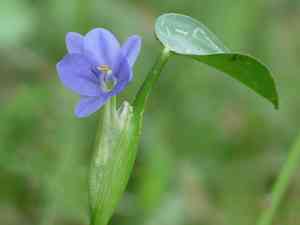
Heartshape false pickerelweed (Monochoria vaginalis)
Also known as: Pickerel weed, Monochoria
The water hyacinth is an aquatic plant known for its striking bluish-purple flowers, making it a favorite in water gardens. However, it is also an invasive species that poses significant problems in rice fields across southern and eastern Asia.
In This Article
Attributes of Heartshape false pickerelweed
Lifespan
Perennial, Annual
Plant Type
Herb
Plant Height
6 cm to 50 cm
Spread
N/A
Leaf Color
Green
Flower Size
3 cm to 6 cm
Flower Color
Purple Blue
Quickly Identify Heartshape false pickerelweed
1
To identify Monochoria vaginalis, look for its distinctive heart-shaped leaves and vibrant blue to purple flowers that grow in clusters. The plant usually grows in aquatic or semi-aquatic environments.
Scientific Classification of Heartshape false pickerelweed
Phylum
Vascular plants
Class
Monocotyledons
Order
Spiderworts and allies
Family
Water-hyacinth
Genus
Monochoria
Species
Heartshape false pickerelweed
Planting and Growing of Heartshape false pickerelweed
Care Difficulty
Easy
Watering Schedule
Every 4 days
Sunlight Requirements
Partial sun
Sunshine Duration
4-8 hours
Ideal Temperature
68-77℉
Soil Type
Potting Mix, Peat Mix
Soil pH
6.5-7.5
Fertilizer Type
Balanced
Pruning Season
Spring, Summer
Pruning Area
Branches, Leaves
Pruning Frequency
2 times a year
Repotting Season
Spring
Pot Type
Plastic, Ceramic
 How to Water Heartshape false pickerelweed?
Monochoria vaginalis prefers consistently moist soil. When watering, ensure that the soil absorbs at least 500 ml per session. This amount guarantees that the water reaches deep into the roots, which is crucial for its growth. Proper watering should leave the soil moist but not waterlogged, as this can cause root rot.
What are the symptoms of an underwatered Heartshape false pickerelweed?
›
What should I do if my Heartshape false pickerelweed is not getting enough water?
›
What are the symptoms of an overwatered Heartshape false pickerelweed?
›
How to save an overwatered Heartshape false pickerelweed?
›
 What Are the Sunlight Requirements for Heartshape false pickerelweed?
Monochoria vaginalis prefers partial sun, thriving with 3 to 6 hours of sunlight daily. Ideal light conditions enhance growth and maintain its natural beauty.
Optimal Sunlight Quantity
›
Implementing Solutions
›
Benefits of Ideal Sunlight
›
 What Is the Ideal Temperature Range for Heartshape false pickerelweed?
The ideal temperature range for Monochoria vaginalis is between 68°F and 77°F. This range provides optimal conditions for the plant's metabolic processes, including photosynthesis and nutrient uptake, thus promoting healthy growth and vibrant foliage.
 What Soil is Best for Heartshape false pickerelweed?
Monochoria vaginalis thrives in soil that retains moisture well, ensuring that the roots have constant access to water. This is crucial for its growth, as it mimics its natural habitat in wetland areas. A nutrient-rich soil, abundant in organic matter, is vital for Monochoria vaginalis. It provides the necessary nutrients for robust growth and vibrant blooms, supporting the plant through its life cycle. While Monochoria vaginalis enjoys moisture, it also benefits from soil that offers good drainage to prevent waterlogging, which can cause root rot, ensuring healthy and sustained growth.
 How to Fertilize Heartshape false pickerelweed?
Monochoria vaginalis has a moderate nutrient requirement. Typically, use a balanced fertilizer with an NPK ratio of 10-10-10, applying about 1/4 teaspoon (1.25 grams) diluted in 1 liter of water for liquid fertilizers, ensuring not to saturate the roots excessively.
 How to Prune Heartshape false pickerelweed?
To start pruning Monochoria vaginalis, always use clean, sharp scissors or pruning shears. Begin by removing any dead, damaged, or diseased leaves to promote healthy growth and efficient nutrient distribution. After this, assess the overall shape of the plant and selectively trim back any overly long stems to maintain a balanced appearance. Focus on cutting just above a node, which will encourage new branching.
More About Pruning Techniques→
 How to Propagate Heartshape false pickerelweed plant?
1
Collect seeds from mature Monochoria vaginalis plants ensuring they are dry. Clean seeds to remove debris and store them in a cool, dry place until you're ready to plant them. This step ensures that only viable, healthy seeds are used.
2
Sow seeds evenly on the surface of a moist, sterile potting mix in seed trays. Lightly cover with a thin layer of soil, ensuring good contact between the seed and the soil for optimal germination conditions.
3
Moisten the soil regularly to keep it damp but not waterlogged. Place the seed trays in a warm spot with indirect sunlight to promote germination. Maintain consistent moisture levels for successful seedling emergence.
 How to Repot Heartshape false pickerelweed plant?
1
Monochoria vaginalis should be repotted when its roots start to overgrow the pot or when the soil loses its fertility. Look for signs such as reduced growth, waterlogging, or roots coming out of the drainage holes. Spring and early summer are ideal times for repotting as the plant is in its active growth phase.
2
Select a pot that is one size larger than the current one to give the roots ample room to expand. A pot with adequate drainage holes is crucial to prevent water from stagnating, which can lead to root rot. The material of the pot can be ceramic or plastic based on the weight and aesthetics you prefer.
3
Opt for a rich, loamy soil mix that can retain moisture while ensuring proper drainage. This type of soil helps mimic the plant's native wetland habitat and provides essential nutrients. Adding organic matter such as compost enhances the soil's fertility, promoting healthier growth.



