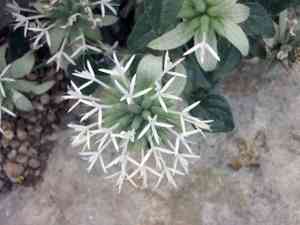
Yellow monardella (Monardella nana)
Also known as: False Monardella, Little Monardella
Penstemon, a resilient perennial herb, flourishes in the rocky, sunlit regions of North America. This plant is known for its compact, bushy growth and striking clusters of colorful, tubular flowers that attract pollinators. Its leaves, often grey-green and sometimes tinged with purple, are well-adapted to conserve water, making it ideal for dry environments.
In This Article
Attributes of Yellow monardella
Lifespan
Perennial
Plant Type
Herb
Plant Height
15-30 cm
Spread
20-50 cm
Leaf Color
Green
Flower Size
1-2 cm
Flower Color
Pink to Lavender
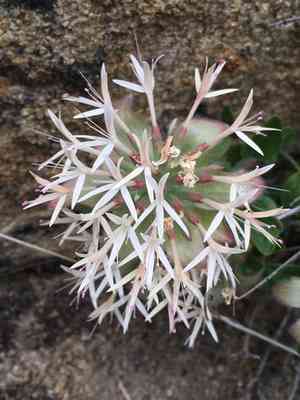
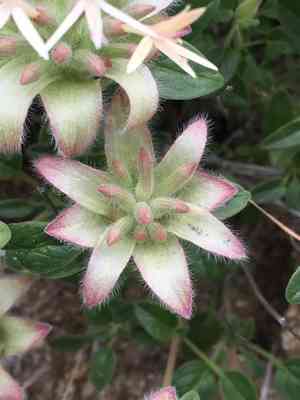
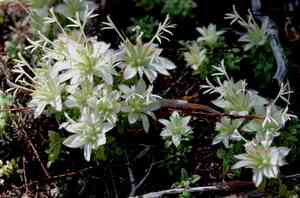
Images of Yellow monardella
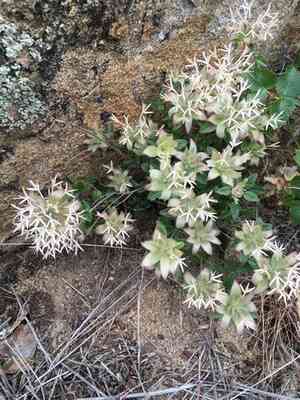
Quickly Identify Yellow monardella
1
Monardella nana can be identified by its small, aromatic leaves and clusters of pink to lavender flowers. Its square stems and toothed leaves are typical features of the mint family. Often found in chaparral and coastal sage scrub habitats.
Scientific Classification of Yellow monardella
Phylum
Vascular plants
Class
Dicotyledons
Order
Lamiales
Family
Mint
Genus
Coyote mintrg
Species
Yellow monardella
Planting and Growing of Yellow monardella
Care Difficulty
Easy
Watering Schedule
Every 2 days
Sunlight Requirements
Full sun
Sunshine Duration
4-8 hours
Ideal Temperature
60-75℉
Soil Type
Potting Mix, Peat Mix
Soil pH
6.5-7.5
Fertilizer Type
Balanced
Pruning Season
Spring, Summer
Pruning Area
Branches, Leaves
Pruning Frequency
2 times a year
Repotting Season
Spring
Pot Type
Plastic, Terracotta
 How to Water Yellow monardella?
Monardella nana thrives with a modest watering schedule. Typically, one should aim to provide around 150 ml of water per session. The key is to ensure the soil remains slightly moist but never soggy. Watering should be sufficient to reach the roots without oversaturating the ground.
What are the symptoms of an underwatered Yellow monardella?
›
What should I do if my Yellow monardella is not getting enough water?
›
What are the symptoms of an overwatered Yellow monardella?
›
How to save an overwatered Yellow monardella?
›
 What Are the Sunlight Requirements for Yellow monardella?
Monardella nana benefits from full sun to partial sun exposure, promoting healthy growth and prolific blooming. Ideal light fosters a robust plant structure and maximum flower production.
What is the ideal lighting condition for Monardella nana?
›
What solutions exist to achieve ideal lighting for Monardella nana?
›
What are the benefits of achieving ideal light conditions for Monardella nana?
›
 What Is the Ideal Temperature Range for Yellow monardella?
The ideal temperature range for Monardella nana is between 60°F and 75°F. This range supports optimal growth and blooming by maintaining the plant's natural temperate climate requirements.
 What Soil is Best for Yellow monardella?
Monardella nana thrives in well-drained soils, which are essential to prevent root rot. A well-drained soil allows excess water to escape, ensuring the roots have adequate oxygen for healthy growth. A gritty texture, achieved by sandy soil or sandy loam, is perfect for Monardella nana. It mimics the plant's natural environment and helps maintain the right soil structure and drainage. Monardella nana benefits from soils with moderate nutrient content. This ensures the plant receives enough nutrients without the risk of excessive fertilization, which can lead to poor health.
 How to Fertilize Yellow monardella?
Monardella nana should be fertilized with a balanced, all-purpose fertilizer. Use approximately half the recommended amount specified on the fertilizer package to avoid burning the plant. Maintain moderation, applying only when the plant exhibits signs of nutrient deficiency.
 How to Prune Yellow monardella?
Start by removing spent blooms. Snip off the dead flowers just above the next leaf node to encourage new growth and more flowering. This keeps the plant tidy and prolongs the blooming period. Carefully shape the plant by trimming back any overgrown stems. Thin out the plant by cutting back some of the older, woody stems to the base to promote airflow and reduce the risk of fungal diseases. After shaping, take a step back and assess the plant’s overall appearance. Make additional cuts to balance the canopy. Ensure there are no uneven or overly dense areas that might hinder light penetration.
More About Pruning Techniques→
 How to Propagate Yellow monardella plant?
1
Start by collecting seeds from mature Monardella nana plants. Choose a well-draining soil mix and evenly distribute seeds, then lightly cover them with soil. Maintain moisture without allowing the soil to become soggy.
2
Select non-flowering stems and cut 4-6 inches of the tip. Remove lower leaves and dip the cut end in a rooting hormone. Place in a moist rooting medium, ensuring consistent humidity levels during the rooting phase.
3
Dig up mature plants carefully. Split the root ball into smaller sections, making sure each section has a healthy shoot and root part. Replant the divisions in well-prepared soil, keeping them well-watered initially.
 How to Repot Yellow monardella plant?
1
Monardella nana needs repotting when you notice roots protruding from drainage holes or the plant's growth has noticeably slowed down. These signals indicate the plant has outgrown its current pot and needs more space to thrive.
2
Opt for a pot that's 1-2 inches larger in diameter than the current one, ensuring it has adequate drainage holes. A pot of this size allows for root expansion, prevents waterlogging, and reduces the risk of root rot, keeping your plant healthy and robust.
3
Use well-draining sandy soil with some organic matter. This mixture provides excellent aeration and moisture control, preventing compacted roots and promoting healthy growth by mimicking the plant's natural habitat.
Learn More About Yellow monardella Diseases
Anthracnose
Bacterial Leaf Spot
Bacterial Soft Rot
Bacterial Wilt
Black Spot
Chemical Injury
Crown Gall
Cyst Nematode
Damping-off
Downy Mildew
Drought Stress
Fusarium Wilt
Gray Mold
Leaf Curl
Leaf Spot
Mosaic
Nutrient Deficiency
Nutrient Toxicity
Powdery Mildew
Root Rot
Root-knot Nematode
Rusts
Sooty Mold
Spider Mites
Temperature Stress
Thrips Damage
White Mold



