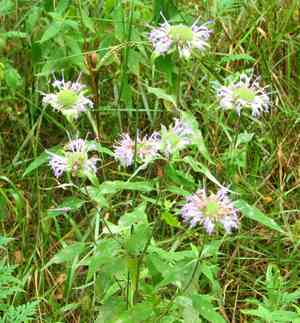
Wild bergamot (Monarda fistulosa)
Also known as: Mintleaf beebalm, Horsemint
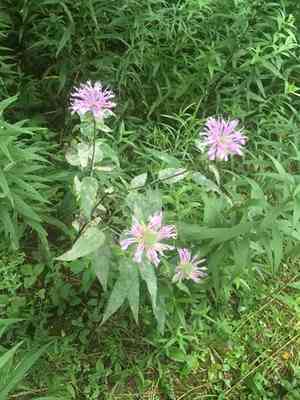
Wild bergamot (Monarda fistulosa), also known as bee balm, is a mint family wildflower that draws numerous bees and hummingbirds. It's known for its strong-flavored tea, and some varieties are grown for their lemony-scented essential oil.
In This Article
Attributes of Wild bergamot
Lifespan
Perennial
Plant Type
Herb
Plant Height
1.1 m
Spread
60 cm to 90 cm
Leaf Color
Green Gray
Flower Size
3 cm to 5 cm
Flower Color
Pink Purple Lavender Violet
Images of Wild bergamot
Quickly Identify Wild bergamot
1
Square stem characteristic of mint family
2
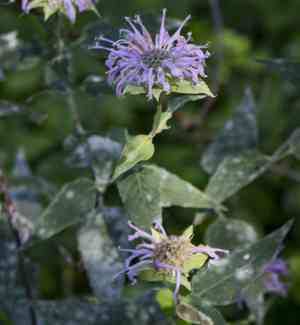
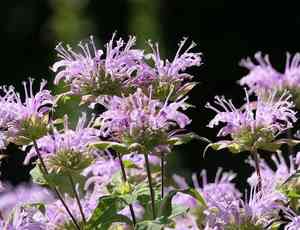
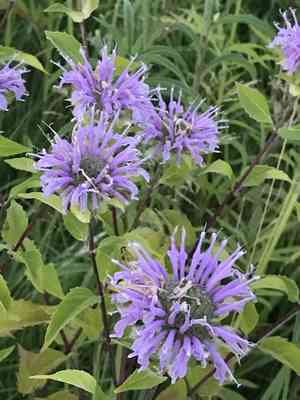
Lavender to pinkish flowers in dense rounded clusters
3
Toothed, opposite, oblong leaves with grayish-green color
4
Dry nutlet fruit less than 1/6 inch with brown color
5
Aromatic foliage emits pleasant fragrance when crushed
Scientific Classification of Wild bergamot
Phylum
Vascular plants
Class
Dicotyledons
Order
Lamiales
Family
Mint
Genus
Bergamot
Species
Wild bergamot
Planting and Growing of Wild bergamot
Care Difficulty
Easy
Watering Schedule
Every 3 days
Sunlight Requirements
Full sun
Sunshine Duration
4-8 hours
Ideal Temperature
60-75℉
Soil Type
Potting Mix, Peat Mix
Soil pH
6.5-7.5
Fertilizer Type
Balanced
Pruning Season
Spring, Summer
Pruning Area
Branches, Leaves
Pruning Frequency
2 times a year
Repotting Season
Spring
Pot Type
Plastic, Ceramic
 How to Water Wild bergamot?
When it comes to watering Monarda fistulosa, aim for a thorough soak until the top 2 to 3 inches of soil are moist. This generally translates to around 500 milliliters of water per session, ensuring the roots receive adequate moisture without drowning the plant. Consistency is key, so maintain a balance to prevent waterlogging.
More About Watering Techniques→
What are the symptoms of an underwatered Wild bergamot?
›
What should I do if my Wild bergamot is not getting enough water?
›
What are the symptoms of an overwatered Wild bergamot?
›
How to save an overwatered Wild bergamot?
›
 What Are the Sunlight Requirements for Wild bergamot?
Ideally, Monarda fistulosa benefits from full sun exposure or semi-shade, which promotes vigorous growth and vibrant flowering. Adequate light enhances its resilience to diseases and pest attacks.
More About Sunlight Requirements Techniques→
What type of sunlight does Monarda fistulosa prefer?
›
How can you ensure Monarda fistulosa receives ideal light?
›
What are the benefits of Monarda fistulosa receiving ideal sunlight?
›
 What Is the Ideal Temperature Range for Wild bergamot?
The ideal temperature range for growing Monarda fistulosa is between 60°F and 75°F. These temperatures support robust growth, vibrant blooms, and healthy foliage. The plant thrives in temperate conditions, where both heat and moisture are balanced.
 What Soil is Best for Wild bergamot?
Monarda fistulosa thrives in well-drained soils that prevent waterlogging. Good drainage ensures roots remain healthy, reducing the risk of root rot and ensuring robust plant growth. This plant flourishes in nutrient-rich soils that provide essential nutrients for vibrant blooms. A well-fertilized substrate can lead to enhanced growth and more prolific flowering. While drainage is crucial, soil should retain enough moisture to sustain plant life during dry spells. This balance ensures consistent hydration without oversaturation.
More About Soil→
 How to Fertilize Wild bergamot?
For Monarda fistulosa, use a balanced fertilizer such as 10-10-10 or 20-20-20. Apply liquid fertilizer at a rate of half the recommended amount listed on the package. This moderation ensures the plant receives necessary nutrients without risk of root burn, promoting healthy growth and vibrant blooms.
More About Fertilizing Techniques→
 How to Prune Wild bergamot?
In spring, cut back the previous year’s growth to about 6–8 inches above the ground. This will encourage new, vigorous growth for the upcoming season. Ensure you're cutting just above a set of healthy leaves to promote strong shoots. Regularly deadhead by removing spent blooms to prolong the blooming period and promote more flowering. This not only keeps the plant looking tidy but also directs energy towards producing new flowers. After flowering, cut back spent flower stalks and reduce the size of the plant by about a third. This helps tidy up the plant for winter, reducing the risk of disease.
More About Pruning Techniques→
 How to Propagate Wild bergamot plant?
1
Start by filling the seed tray with a well-draining potting mix. Sow the seeds on the surface and lightly cover them with more mix to provide darkness. Maintain moderate moisture and light until germination occurs.
2
Select healthy, non-flowering stems of about 4-6 inches in length. Make clean cuts just below a leaf node and remove the lower leaves to prevent rotting.
3
Carefully dig around the Monarda fistulosa plant to expose the roots. Use a spade to separate the plant into smaller sections, ensuring each has a good root system. Replant the divisions promptly.
 How to Repot Wild bergamot plant?
1
Monarda fistulosa should be repotted when you notice roots growing out of the drainage holes, the soil becomes compacted, or the plant's growth appears stunted. These signals indicate that the plant has outgrown its current container and requires more space to thrive.
2
Select a pot that is only one size larger than the current one. This ensures that the plant doesn't sit in excess water, which can lead to root rot. A pot with good drainage holes is essential to allow water to escape and prevent waterlogging. The material of the pot can be terracotta, which helps in regulating soil moisture.
3
Opt for a well-draining loamy soil mix that retains some moisture but still provides adequate aeration for the roots. This type of soil helps prevent root diseases by ensuring excess water drains away while still keeping the roots moist enough for healthy growth.
Learn More About Wild bergamot Diseases
Anthracnose
Bacterial Leaf Spot
Black Spot
Chemical Injury
Damping-off
Downy Mildew
Drought Stress
Fusarium Wilt
Gray Mold
Leaf Curl
Leaf Spot
Mosaic
Nutrient Deficiency
Nutrient Toxicity
Powdery Mildew
Root Rot
Root-knot Nematode
Rusts
Sooty Mold
Spider Mites
Temperature Stress
Thrips Damage
White Mold



