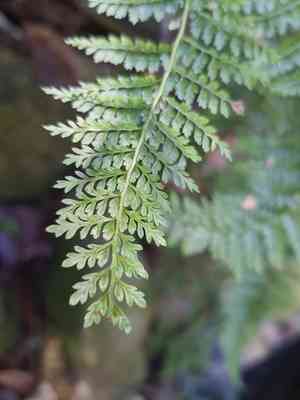
Momachosorum henry (Monachosorum henryi)
Also known as: Henry Finet Fern
Momachosorum henryi is a fern characterized by its graceful, arching fronds that typically form a rosette shape. Its finely-divided, lace-like leaves suggest a preference for humid, shaded environments, such as those found in forest undergrowth. This fern thrives best in moist, well-drained soils rich in organic matter, which supports its growth and reproductive needs in its natural habitat.
In This Article
Attributes of Momachosorum henry
Lifespan
Perennial
Plant Type
Fern
Plant Height
1 m
Spread
Not applicable
Leaf Color
Green
Flower Size
Not applicable
Flower Color
Not applicable
Images of Momachosorum henry
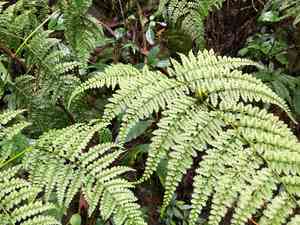
Quickly Identify Momachosorum henry
1
Monachosorum henryi can be identified by its finely divided fronds which are light green in color, and its creeping rhizomes.
Scientific Classification of Momachosorum henry
Phylum
Vascular plants
Class
Ferns
Order
Polypodiales
Family
Bracken fern
Genus
Monachosorum
Species
Momachosorum henry
Planting and Growing of Momachosorum henry
Care Difficulty
Easy
Watering Schedule
Every 2 days
Sunlight Requirements
Partial sun
Sunshine Duration
6-10 hours
Ideal Temperature
65-75℉
Soil Type
Potting Mix, Peat Mix
Soil pH
6.2-7.8
Fertilizer Type
Balanced
Pruning Season
Spring, Summer
Pruning Area
Branches, Leaves
Pruning Frequency
2 times a year
Repotting Season
Spring
Pot Type
Plastic, Ceramic
 How to Water Momachosorum henry?
When watering Monachosorum henryi, you should aim for approximately 200 milliliters per session. This plant requires its soil to be kept consistently moist but not waterlogged. Water until just a small amount begins to drain from the bottom of the pot, ensuring all the roots have access to moisture.
What are the symptoms of an underwatered Momachosorum henry?
›
What should I do if my Momachosorum henry is not getting enough water?
›
What are the symptoms of an overwatered Momachosorum henry?
›
How to save an overwatered Momachosorum henry?
›
 What Are the Sunlight Requirements for Momachosorum henry?
Monachosorum henryi thrives in partial sun to full shade environments. Ideal light conditions stimulate healthy growth, maintaining vibrant green foliage and supporting robust development.
How much light does Monachosorum henryi need?
›
What are the solutions to achieve this lighting condition?
›
What are the benefits of ideal lighting?
›
 What Is the Ideal Temperature Range for Momachosorum henry?
The ideal temperature range for growing Monachosorum henryi is between 65°F and 75°F. This range provides optimal conditions for its growth and photosynthesis, ensuring the plant remains healthy and vibrant throughout its growth cycle.
 What Soil is Best for Momachosorum henry?
Monachosorum henryi thrives in well-drained soil which prevents waterlogging. Proper drainage helps the plant roots breathe and access necessary nutrients, promoting healthier growth and reducing the chance of root rot. The plant benefits from a nutrient-rich substrate enriched with organic matter. Organic amendments like compost not only enhance soil fertility but also improve its structure, ensuring robust growth and vibrant foliage. Aeration is crucial for this plant as it aids in root development and facilitates the exchange of gases. An aerated soil structure prevents compaction, ensuring roots can expand freely and access water efficiently.
 How to Fertilize Momachosorum henry?
Monachosorum henryi, like many ferns, does not require excessive amounts of fertilizer. Apply a diluted liquid fertilizer once every two weeks, and ensure not to exceed the manufacturer's recommended amount per liter of water. A balanced 20-20-20 or 15-15-15 NPK ratio is ideal for maintaining its vibrant growth without overwhelming the root system.
 How to Prune Momachosorum henry?
Begin by sanitizing your pruning shears to prevent spreading any potential disease. Gently trim away any dead or yellowing fronds at the base, being careful not to harm healthy tissue. This helps in promoting air circulation and reducing the risk of fungal infections. If Monachosorum henryi has grown too bushy, selectively prune to shape the plant and allow light to penetrate the inner fronds. Trim back overgrown branches to maintain an aesthetically pleasing shape and to balance the plant's energy distribution.
More About Pruning Techniques→
 How to Propagate Momachosorum henry plant?
1
Use a sterile knife to divide the mature plant into several sections, ensuring each section has roots and a good portion of the shoot. Ensure that the cuts are sharp and clean to promote quick healing.
2
Sow the seeds in seed trays filled with well-draining potting mix. Cover the seeds lightly with soil and keep them moist. Place the trays in a warm, bright environment to encourage germination.
3
Place each divided section into a prepared hole in the ground or a pot, ensuring the roots are well spread out. Backfill the hole gently with soil and water thoroughly to eliminate air pockets.
 How to Repot Momachosorum henry plant?
1
Repotting Monachosorum henryi is crucial when you observe roots protruding from the drainage holes, or if its growth seems stunted. Spring and summer are prime seasons, as the plant is actively growing, making transition easier.
2
Select a pot that is one size larger than the current one. Ensure it has adequate drainage holes to prevent waterlogging, which can cause root rot. A slightly larger pot accommodates growth and avoids transplant shock.
3
Opt for a well-draining loamy soil mix. This soil type retains the necessary moisture while allowing excess water to drain, preventing root rot. Additionally, its nutrient content supports healthy growth over time.



