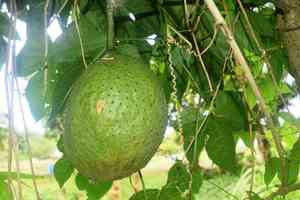
Gac (Momordica cochinchinensis)
Also known as: Spiny bitter cucumber
Gac is predominantly found in Southeast Asia, especially in countries like Vietnam, Thailand, and Laos. This fruit, resembling a melon, has a bright orange to reddish outer skin and is known for its high concentrations of beta-carotene and lycopene. Gac's pulp can temporarily stain the eater's mouth orange. In Vietnam, it holds cultural significance and is frequently used in celebratory dishes, including those served at weddings and during holidays.
In This Article
Attributes of Gac
Lifespan
Perennial
Plant Type
Vine
Plant Height
20 m
Spread
N/A
Leaf Color
Green
Flower Size
5 cm to 10 cm
Flower Color
White Yellow
Images of Gac
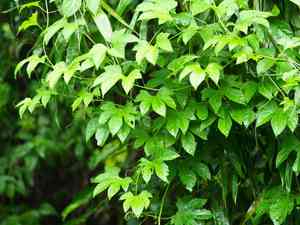
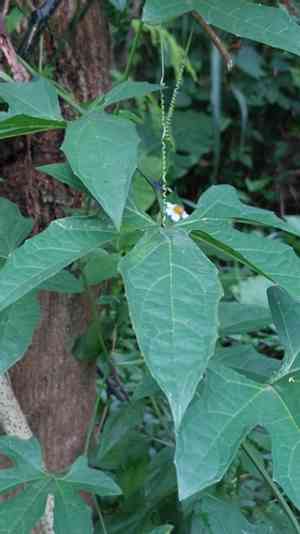
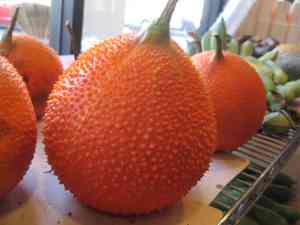
Quickly Identify Gac
1
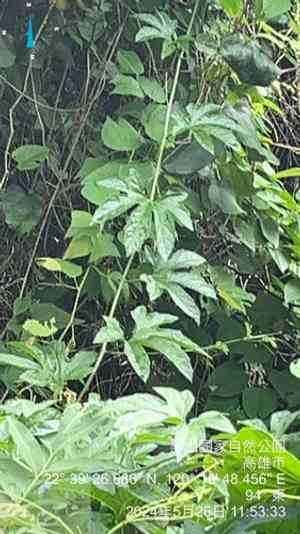
Gac fruit can be identified by its large, orange-red, spiny fruit, deeply lobed leaves, and yellowish-green flowers. The fruit's bright color and spiny texture are distinctive characteristics.
Scientific Classification of Gac
Phylum
Vascular plants
Class
Dicotyledons
Order
Cucurbitales
Family
Gourd
Genus
Momordica
Species
Gac
Planting and Growing of Gac
Care Difficulty
Hard
Watering Schedule
Every 4 days
Sunlight Requirements
Full sun
Sunshine Duration
6-10 hours
Ideal Temperature
68-77℉
Soil Type
Potting Mix, Peat Mix
Soil pH
6.5-7.5
Fertilizer Type
Balanced
Pruning Season
Spring, Summer
Pruning Area
Branches, Leaves
Pruning Frequency
2 times a year
Repotting Season
Spring
Pot Type
Plastic, Ceramic
 How to Water Gac?
For Momordica cochinchinensis, watering should be generous yet controlled; applying roughly 500 ml each time allows the soil to be thoroughly moistened without causing waterlogging. Ensure water penetrates deeply, reaching the root zone to support robust growth.
What are the symptoms of an underwatered Gac?
›
What should I do if my Gac is not getting enough water?
›
What are the symptoms of an overwatered Gac?
›
How to save an overwatered Gac?
›
 What Are the Sunlight Requirements for Gac?
Momordica cochinchinensis thrives best in full sun to partial sun environments, benefiting from warm, bright conditions. Ideal lighting promotes robust growth, a healthier appearance, and increases fruit yield, essential for growers seeking a good harvest.
How much sun does Momordica cochinchinensis need?
›
What solutions can help achieve ideal lighting?
›
What benefits are seen with proper sunlight exposure?
›
 What Is the Ideal Temperature Range for Gac?
The ideal temperature range of 68-77°F is crucial for Momordica cochinchinensis as it ensures optimal growth and fruit development. Within this range, the plant can efficiently perform photosynthesis and other physiological processes. Deviation from these temperatures can cause physiological stress, affecting growth and yield.
 What Soil is Best for Gac?
Momordica cochinchinensis thrives in soil that drains well, preventing waterlogging which can lead to root rot. Excellent drainage ensures healthy root systems and encourages vigorous growth. The plant benefits from nutrient-rich soil, which provides essential minerals and nutrients necessary for robust growth and fruit production. Fertile soil supports healthy plant metabolism and development. Gac prefers soil that maintains moderate moisture levels. Consistent moisture keeps the plant hydrated, supporting regular flowering and fruiting cycles, which are crucial for its productivity.
 How to Fertilize Gac?
For Momordica cochinchinensis, applying the right amount of fertilizer is crucial. Use half a cup of balanced 10-10-10 NPK fertilizer per application for mature plants. Younger plants or seedlings require only one-fourth of this amount.
 How to Prune Gac?
Use sharp and clean pruning shears to make precise cuts. Dull or dirty tools can damage the vine and increase the risk of infection. Begin by cutting back any dead, damaged, or diseased stems. Make clean cuts back to healthy tissue to encourage vigorous new growth. Trim back overgrown vines to sculpt the plant's shape. For vertical growth, consider training it with a trellis and cut errant branches to maintain structure. To boost fruit yield, pinch off early flower buds to allow the plant to develop stronger stems capable of supporting heavier fruit later in the season.
More About Pruning Techniques→
 How to Propagate Gac plant?
1
Collect fresh seeds from ripe fruits, clean them to remove any pulp, and allow them to dry slightly. This preparation step is crucial to prevent mold growth and promote better germination rates.
2
Select healthy stems from the parent plant for cuttings, ideally around 6-8 inches long. Make a clean cut below a leaf node, removing some lower leaves to reduce transpiration.
3
For seeds, sow them in a lightly moistened seed-starting mix and cover with a thin layer of soil. For cuttings, dip the end in rooting hormone and plant in a potting medium. Keep both methods adequately hydrated.
 How to Repot Gac plant?
1
Repot your Momordica cochinchinensis when you notice roots growing at the drainage holes or the plant's growth slows significantly. Early Spring is the best time to repot as it allows the plant to establish itself before the active growing season. Look for these signals and act promptly to ensure your plant stays healthy.
2
Select a pot that is one size larger than the current one, ensuring it has ample drainage holes. A pot that's too big can lead to water retention and root rot. Choose a terracotta or breathable container to aid in moisture regulation and provide a stable environment for root development.
3
Choose a soil mix that is rich in organic matter yet well-draining to prevent water stagnation. A mixture containing peat, perlite, and compost helps maintain the delicate balance between moisture retention and drainage, ensuring the roots have access to both air and nutrients.



