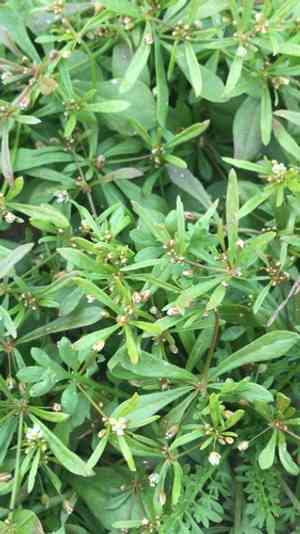
Green carpetweed (Mollugo verticillata)
Also known as: Indian chickweed, Whorled chickweed
Green carpetweed (Mollugo verticillata) is an annual plant that is often regarded as invasive. It is believed to have originated in the tropical regions of the Americas. During the summer, it rapidly spreads, forming a dense ground cover. Consequently, it is frequently seen as a troublesome weed in gardens.
In This Article
Attributes of Green carpetweed
Lifespan
Annual, Biennial
Plant Type
Herb
Plant Height
2.5 cm to 15 cm
Spread
5 cm to 45 cm
Leaf Color
Green
Flower Size
2.5 cm
Flower Color
White
Images of Green carpetweed
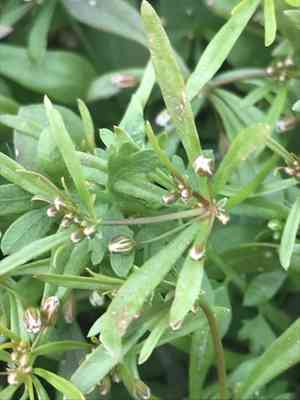
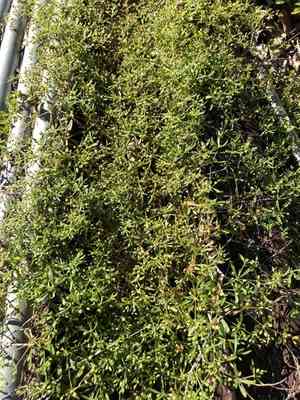
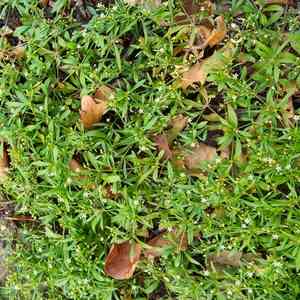
Quickly Identify Green carpetweed
1
Mat-like growth habit
2
Whorled leaf arrangement
3
Small, inconspicuous white flowers
4
Smooth, slender light green stem
5
Capsule fruit with three valves
Scientific Classification of Green carpetweed
Phylum
Vascular plants
Class
Dicotyledons
Order
Caryophyllales
Family
Carpet-weeds
Genus
Mollugo
Species
Green carpetweed
Planting and Growing of Green carpetweed
Care Difficulty
Easy
Watering Schedule
Every 4 days
Sunlight Requirements
Full sun
Sunshine Duration
4-8 hours
Ideal Temperature
70-85℉
Soil Type
Potting Mix, Peat Mix
Soil pH
6.5-7.5
Fertilizer Type
Balanced
Pruning Season
Spring, Summer
Pruning Area
Branches, Leaves
Pruning Frequency
2 times a year
Repotting Season
Spring
Pot Type
Plastic, Ceramic
 How to Water Green carpetweed?
For Mollugo verticillata, water using approximately 250 milliliters at each session. The goal is to ensure the soil is evenly moist but not soggy, allowing the roots to absorb sufficient hydration without drowning them.
What are the symptoms of an underwatered Green carpetweed?
›
What should I do if my Green carpetweed is not getting enough water?
›
What are the symptoms of an overwatered Green carpetweed?
›
How to save an overwatered Green carpetweed?
›
 What Are the Sunlight Requirements for Green carpetweed?
Mollugo verticillata thrives in full to partial sun, enhancing its growth, vitality, and flowering potential. Ideal light ensures optimal photosynthesis, boosting its health and aesthetics.
Optimal Sun Exposure
›
Solution for Ideal Light
›
Effects of Ideal Lighting
›
 What Is the Ideal Temperature Range for Green carpetweed?
Mollugo verticillata thrives best in a temperature range between 70°F and 85°F. This range provides the necessary warmth for optimal growth and ensures proper photosynthesis and respiration rates. It's important to maintain this range consistently for robust development.
 What Soil is Best for Green carpetweed?
Mollugo verticillata thrives in well-draining soil to prevent root rot. This keeps the roots healthy and allows them to absorb necessary nutrients and moisture effectively. Nutrient-rich soil supports the plant's growth and rapid development. It is important to have balanced nutrients to ensure vibrant foliage and robust flowering. Consistent soil texture helps to anchor the plant firmly and provides stable support. It ensures the plant is not too loosely rooted, which can lead to tipping or even uprooting.
 How to Fertilize Green carpetweed?
For Mollugo verticillata, it's crucial not to over-fertilize. Use a balanced, water-soluble fertilizer diluted to half strength. Apply approximately 10 ml of liquid fertilizer solution per plant to avoid nutrient burn while promoting healthy growth.
 How to Prune Green carpetweed?
When pruning Mollugo verticillata, begin by examining the overall structure of the plant. Identify the chaotic or old growth that needs trimming to keep the plant compact and encourage new shoots. Always use clean, sharp pruning shears to avoid transferring diseases to your plant. Dirty scissors can harbor pathogens and cause infections that may damage the plant’s health. Focus on cutting back overgrown and leggy stems to stimulate fuller and bushier growth. Trim just above a leaf node to encourage new branches to sprout from this point. Once your pruning is complete, collect all cuttings to prevent clutter and potential pest problems. Composting the clippings is often a sustainable way to dispose of them.
 How to Propagate Green carpetweed plant?
1
Fill the seed tray with potting mix and water it lightly. The soil should be moist but not waterlogged. This step is crucial for creating the right conditions for seed germination.
2
Scatter the seeds evenly over the surface of the prepared tray. It's important to sow the seeds thinly to prevent overcrowding, which can impede growth and lead to competition for resources.
3
Cover the seeds with a thin layer of potting mix or vermiculite and water lightly. Ensure the soil remains moist during the germination period, which can take up to two weeks.
 How to Repot Green carpetweed plant?
1
Repotting Mollugo verticillata is essential when you notice its roots starting to outgrow the container, or water takes longer to drain. These indicate the plant has outgrown its home. Ideally, repotting in spring or summer provides the best growth conditions due to favorable temperatures and sunlight.
2
Choose a slightly larger pot than the current one, with good drainage to prevent waterlogging. Terracotta pots are excellent as they allow moisture to evaporate, keeping the soil healthy. A proper fit ensures root system expansion without unnecessary soil space that could lead to water retention.
3
Opt for loamy, well-drained soil that can maintain moisture yet drain excess water efficiently. This type of soil lessens the risk of root rot while providing necessary nutrients. A good balance of organic matter also helps in supporting the plant's vigorous growth and maintaining its natural habitat conditions.
Learn More About Green carpetweed Diseases
Anthracnose
Bacterial Leaf Spot
Bacterial Soft Rot
Chemical Injury
Crown Gall
Cyst Nematode
Damping-off
Downy Mildew
Drought Stress
Fusarium Wilt
Gray Mold
Leaf Spot
Mosaic
Nutrient Deficiency
Nutrient Toxicity
Powdery Mildew
Root Rot
Root-knot Nematode
Rusts
Sooty Mold
Spider Mites
Temperature Stress
Thrips Damage
White Mold



