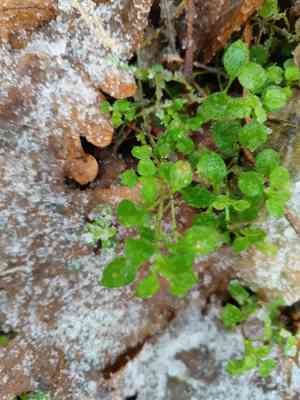
Sandworts (Moehringia) (Moehringia)
Also known as: Sandwort
Sandworts, a genus of flowering plants found in temperate northern regions, are scientifically named Moehringia. This name honors the German botanist Paul Möhring (1710-1791). Interestingly, ants have a unique relationship with these plants, often incorporating their spongy seeds into their nests.
In This Article
Attributes of Sandworts (Moehringia)
Lifespan
Perennial
Plant Height
5-20 cm (2-8 inches)
Spread
Spreading to 20-30 cm (8-12 inches)
Leaf Color
Green
Flower Size
0.5-1 cm (0.2-0.4 inches)
Flower Color
White
Images of Sandworts (Moehringia)
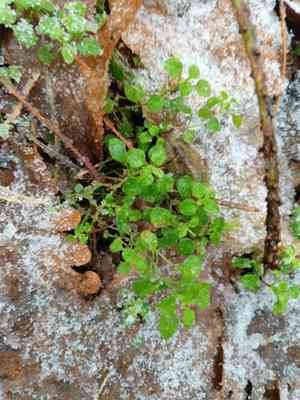
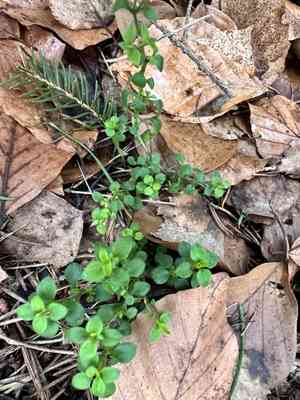
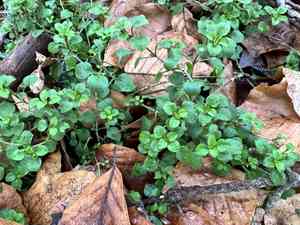
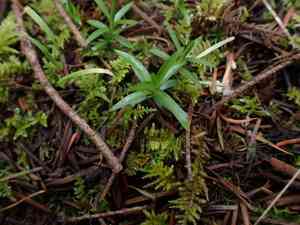
Quickly Identify Sandworts (Moehringia)
1
This plant can be identified by its small, white, star-shaped flowers and lanceolate leaves. The stems are thin and may be trailing or erect depending on the species. Look for it in rocky, sandy, or well-drained soils.
Scientific Classification of Sandworts (Moehringia)
Phylum
Angiosperms
Class
Magnoliopsida
Order
Caryophyllales
Family
Caryophyllaceae
Genus
Moehringia
Planting and Growing of Sandworts (Moehringia)
Care Difficulty
Moderate
Watering Schedule
Every 4 days
Sunlight Requirements
Partial sun
Sunshine Duration
4-8 hours
Ideal Temperature
60-75℉
Soil Type
Potting Mix, Peat Mix
Soil pH
6.5-7.5
Fertilizer Type
Balanced
Pruning Season
Spring, Summer
Pruning Area
Branches, Leaves
Pruning Frequency
2 times a year
Repotting Season
Spring
Pot Type
Plastic, Terracotta
 How to Water Sandworts (Moehringia)?
Moehringia prefers a moderate watering approach. Water it until the soil is wet but not waterlogged, around 200 ml per session, ensuring even distribution throughout the soil. This helps maintain optimal moisture levels without drowning the roots.
What are the symptoms of an underwatered Sandworts (Moehringia)?
›
What should I do if my Sandworts (Moehringia) is not getting enough water?
›
What are the symptoms of an overwatered Sandworts (Moehringia)?
›
How to save an overwatered Sandworts (Moehringia)?
›
 What Are the Sunlight Requirements for Sandworts (Moehringia)?
Partial sun to full shade ensures Moehringia utilizes light efficiently for healthy photosynthesis, maintaining growth and vibrant coloration without risking damage.
What is Moehringia's optimal light environment?
›
What solutions can ensure Moehringia gets the ideal light?
›
What benefits does Moehringia gain from ideal lighting?
›
 What Is the Ideal Temperature Range for Sandworts (Moehringia)?
Moehringia thrives best in temperatures ranging from 60°F to 75°F. This range supports optimal photosynthesis and metabolic functions, encouraging robust growth and healthy foliage.
 What Soil is Best for Sandworts (Moehringia)?
Moehringia thrives in well-drained soil as it prevents root rot and ensures that nutrients are efficiently absorbed by the plant's roots. Good drainage is crucial for maintaining the plant's health and promoting vibrant growth. This plant benefits from a nutrient-rich soil, which provides essential minerals and elements that contribute to lush foliage and healthy blooms. Incorporating organic matter, like compost, can enhance soil fertility and improve plant vigor. Aerated soil is vital for Moehringia as it allows air to reach the roots, essential for respiration. Proper soil aeration helps in preventing compacted soil, promoting robust root health, and sustaining overall plant vitality.
 How to Fertilize Sandworts (Moehringia)?
For Moehringia, it is important to use a balanced fertilizer. Use a dilute solution of liquid fertilizer, applying around 1/4 strength to avoid over-fertilization. Adjust according to the plant’s response.
 How to Prune Sandworts (Moehringia)?
Begin by identifying any dead, damaged, or diseased stems and remove them. Next, trim back any overcrowded or overly long stems to encourage bushier growth. After pruning, water the plant adequately and apply a balanced fertilizer to aid recovery and stimulate new growth.
 How to Propagate Sandworts (Moehringia) plant?
1
Start by filling a seed tray with a well-draining seed compost. Sow Moehringia seeds on the surface, lightly covering them with a thin layer of compost. Ensure the tray is kept moist but not waterlogged, and place it in a location with indirect sunlight until germination occurs.
2
For cutting propagation, select healthy stems in the spring. Cut a section approximately 5-10cm long, just below a node. Remove the lower leaves and dip the cut end in rooting hormone before placing it in a pot filled with a moist potting mix.
3
During early spring, when the plant shows signs of new growth, carefully divide the clusters of Moehringia. Trim away any dead roots and plant the divisions in prepared soil, ensuring each division has enough space to develop.
 How to Repot Sandworts (Moehringia) plant?
1
Moehringia plants signal the need for repotting when their roots start poking out of the drainage holes or when the soil dries out too quickly after watering. The ideal time to do this is during the active growing seasons of spring and summer. Repotting during these periods helps in minimizing stress and facilitates recovery and new growth.
2
Selecting the right pot is crucial for Moehringia. Choose a pot that is one size larger than the current one, with ample drainage holes to prevent waterlogging. A pot that is too large can hold excess moisture and lead to root rot, while a smaller pot will restrict root growth. Terra-cotta pots are a great option as they allow for better airflow.
3
Moehringia thrives best in a well-draining potting mix. A mix consisting of equal parts of peat, perlite, and loam works well. This type of soil ensures proper aeration and drainage, which is essential for preventing root rot and ensuring healthy growth. Ensuring the right soil texture keeps the plant's roots oxygenated.
Learn More About Sandworts (Moehringia) Diseases
Anthracnose
Bacterial Leaf Spot
Bacterial Soft Rot
Damping-off
Downy Mildew
Drought Stress
Fusarium Wilt
Gray Mold
Leaf Curl
Leaf Spot
Mosaic
Nutrient Deficiency
Nutrient Toxicity
Powdery Mildew
Root Rot
Root-knot Nematode
Rusts
Sooty Mold
Spider Mites
Temperature Stress
Thrips Damage
White Mold
Chemical Injury

