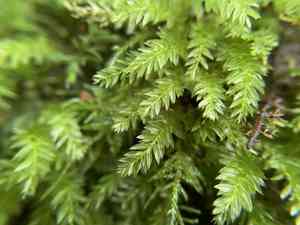
Swan's-neck thyme-moss (Mnium hornum)
Also known as: Common Thread-moss, Silky Forklet-moss
The swan's-neck thyme-moss is known for forming dense, soft tufts and was historically used for mattress stuffing. It thrives in wet environments, with spores that are always open to absorb water, creating a habitat for various insects, frogs, and fungi.
In This Article
Attributes of Swan's-neck thyme-moss
Lifespan
Perennial
Plant Type
Moss
Plant Height
1.9 cm to 5 cm
Spread
N/A
Leaf Color
Green
Flower Size
N/A
Flower Color
Yellow Green Red Brown
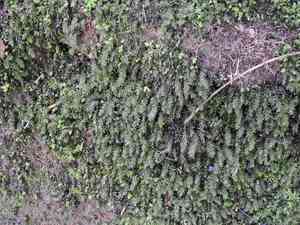
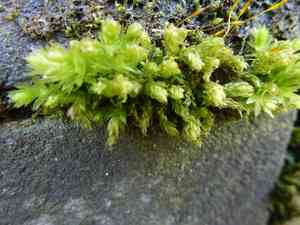
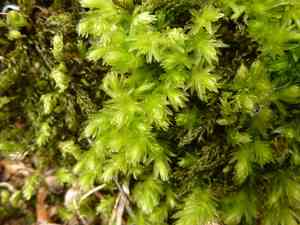
Images of Swan's-neck thyme-moss
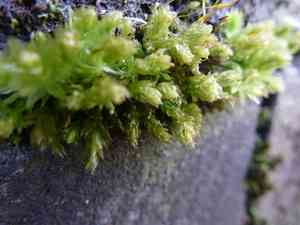
Quickly Identify Swan's-neck thyme-moss
1
Mnium hornum can be identified by its bright green, upright shoots and its distinctive forked leaves which have a slightly glossy appearance. The leaves are often serrated and have a strong central vein. The moss forms cushion-like tufts and can often be found on rotting wood or shaded soil.
Scientific Classification of Swan's-neck thyme-moss
Phylum
Mosses
Class
True mosses
Order
Bryales
Family
Mniaceae
Genus
Mnium
Species
Swan's-neck thyme-moss
Planting and Growing of Swan's-neck thyme-moss
Care Difficulty
Easy
Watering Schedule
Every 3 days
Sunlight Requirements
Partial sun
Sunshine Duration
4-8 hours
Ideal Temperature
50-68℉
Soil Type
Potting Mix, Peat Mix
Soil pH
5.5-6.5
Fertilizer Type
Balanced
Pruning Season
Spring, Summer
Pruning Area
Branches, Leaves
Pruning Frequency
2 times a year
Repotting Season
Spring
Pot Type
Plastic, Ceramic
 How to Water Swan's-neck thyme-moss?
Mnium hornum prefers the soil to be consistently moist but not waterlogged. You should aim to provide enough water to moisten the top layer of the soil, around 50ml per session, ensuring the roots receive nutrients without drowning the plant. This moss is familiar with a damp environment, so the soil should never completely dry out.
What are the symptoms of an underwatered Swan's-neck thyme-moss?
›
What should I do if my Swan's-neck thyme-moss is not getting enough water?
›
What are the symptoms of an overwatered Swan's-neck thyme-moss?
›
How to save an overwatered Swan's-neck thyme-moss?
›
 What Are the Sunlight Requirements for Swan's-neck thyme-moss?
Partial sun to full shade provides a perfect balance for Mnium hornum, enhancing its lush growth while minimizing stress. Proper lighting supports healthy photosynthesis and nutrient production.
Optimal Location
›
Adjusting Indoor Placement
›
Regular Monitoring
›
 What Is the Ideal Temperature Range for Swan's-neck thyme-moss?
For Mnium hornum to thrive, maintaining an environment between 50°F to 68°F ensures optimal growth. Such temperatures mimic its natural habitat, providing the moisture and mildness needed for its well-being.
 What Soil is Best for Swan's-neck thyme-moss?
Mnium hornum thrives in moisture-rich environments. Maintaining a damp soil not only facilitates its growth but also ensures the lushness and vibrancy it is known for. Wet, boggy conditions help in nutrient uptake, offering the plant an edge in lush greenery. This plant prefers soils rich in organic material. Incorporating leaf mold or compost can enhance soil's nutrient profile, promoting healthy and sustained growth. The nutrients from such materials empower the plant to produce dense, resilient foliage. While moisture is key, it's vital that the soil also offers proper drainage. Ensuring excess water doesn't stagnate diminishes the risk of root rot and other moisture-related issues, providing Mnium hornum with an optimal growing environment.
 How to Fertilize Swan's-neck thyme-moss?
For Mnium hornum, a modest amount of fertilizer is preferred. When using liquid fertilizers, dilute to half the recommended strength, roughly 10 ml per liter of water. For slow-release fertilizers, a small amount around the base, no more than 5 grams per plant, is sufficient.
 How to Prune Swan's-neck thyme-moss?
Begin by carefully examining your Mnium hornum for any yellow or brown patches, which indicate dead or unhealthy parts. Use your fingers to gently pull away these sections without damaging the healthy parts of the moss. When trimming, focus on removing only the unhealthy segments. Use small, sharp scissors to precisely snip away the unwanted parts. This prevents unnecessary trauma to the plant and encourages a fuller regrowth.
 How to Propagate Swan's-neck thyme-moss plant?
1
Begin by ensuring the Mnium hornum is healthy and well-watered, as this will help it withstand the stress of division. Carefully remove the plant from its pot or ground without damaging the root system.
2
Using a sharp knife or scissors, gently separate the moss into smaller clumps, ensuring each section has roots attached. Take care to minimize damage to the delicate rhizoids of the plant.
3
Replant each division into the substrate of your choice, ideally a moist and loamy soil. Ensure each section is firmly placed and covered adequately for healthy growth. Water lightly to settle the soil.
 How to Repot Swan's-neck thyme-moss plant?
1
Observe the plant for signs such as roots growing out of the drainage holes or the moss appearing sparse and yellowing. These indicate it's time for repotting. Repotting in the active growth period helps the plant recover faster.
2
Select a slightly larger pot with ample drainage holes. This allows excess water to escape, preventing root rot, which is crucial for mosses like Mnium hornum that prefer moist but not waterlogged conditions.
3
Opt for an acidic, well-draining mix. This mimics Mnium hornum's natural habitat on forest floors, providing essential nutrients while preventing water from stagnant, ensuring healthy growth.

