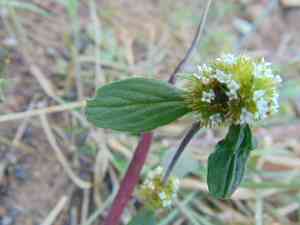
White girdlepod (Mitracarpus breviflorus)
Also known as: Mitracarpus weed, Short-flower buttonweed
White girdlepod (Selago albida) is well-suited to harsh, rocky environments due to its unique adaptations. Its growth form is compact and low-lying, helping it minimize water loss and resist wind damage. The plant has small, tough leaves that are adapted to retain moisture and withstand poor soil conditions. Additionally, its delicate yet resilient flowers can flourish in rocky terrains, allowing it to form dense mats that effectively cover and protect the ground. These characteristics collectively enable white girdlepod to not only survive but thrive in challenging habitats.
In This Article
Attributes of White girdlepod
Lifespan
Perennial
Plant Height
Up to 30 cm
Spread
Variable, typically forming mats of several square meters
Leaf Color
Green
Flower Size
Approximately 0.5 cm
Flower Color
White
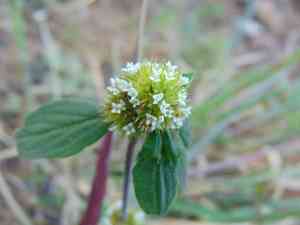
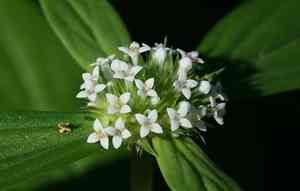
Images of White girdlepod
Quickly Identify White girdlepod
1
Mitracarpus breviflorus can be identified by its small white flowers, opposite leaves, and square stems. The plant is typically low-growing and forms dense mats.
Scientific Classification of White girdlepod
Phylum
Tracheophyta
Class
Magnoliopsida
Order
Gentianales
Family
Rubiaceae
Genus
Mitracarpus
Planting and Growing of White girdlepod
Care Difficulty
Moderate
Watering Schedule
Every 2 days
Sunlight Requirements
Partial sun
Sunshine Duration
6-12 hours
Ideal Temperature
75-85℉
Soil Type
Potting Mix, Peat Mix
Soil pH
6.5-7.5
Fertilizer Type
Balanced
Pruning Season
Spring, Summer
Pruning Area
Branches, Leaves
Pruning Frequency
2 times a year
Repotting Season
Spring
Pot Type
Plastic, Ceramic
 How to Water White girdlepod?
When watering Mitracarpus breviflorus, aim for approximately 150 milliliters of water per session. This amount should be enough to moisten the soil without causing waterlogging. Ensure the soil is evenly damp but not overly wet. Overwatering can lead to root rot, so it's important to let the soil dry slightly between waterings.
What are the symptoms of an underwatered White girdlepod?
›
What should I do if my White girdlepod is not getting enough water?
›
What are the symptoms of an overwatered White girdlepod?
›
How to save an overwatered White girdlepod?
›
 What Are the Sunlight Requirements for White girdlepod?
Partial sun to full sun exposure provides multiple benefits, including enhanced photosynthesis, lush foliage, and overall improved plant health and resilience against environmental stressors.
Amount of Sunlight
›
Solutions for Ideal Light
›
Effects of Ideal Light
›
 What Is the Ideal Temperature Range for White girdlepod?
The ideal temperature range for Mitracarpus breviflorus is between 75°F and 85°F. Maintaining this range ensures optimal growth and minimizes stress, as the plant thrives in warm environments typical of its native habitat. Consistently keeping temperatures within this range supports vigorous growth and facilitates the plant's metabolic processes efficiently.
 What Soil is Best for White girdlepod?
Mitracarpus breviflorus prospers in well-drained soil which prevents waterlogging and reduces root rot risk. This is crucial for healthy root development and overall plant vitality. A nutrient-rich soil fosters robust growth by providing essential minerals. Enriched soil improves flowering and foliage, leading to a thriving specimen of Mitracarpus breviflorus. While needing good drainage, the soil should retain some moisture to prevent dehydration. This balance ensures sustained hydration, aiding in consistent growth patterns.
 How to Fertilize White girdlepod?
The amount of fertilizer needed for Mitracarpus breviflorus is modest. Typically, for liquid fertilizers, use a concentration of one teaspoon per gallon of water, applied evenly to the soil. For slow-release fertilizers, apply no more than one tablespoon per plant per application, ensuring you do not disturb the roots.
 How to Prune White girdlepod?
Begin by using a pair of sharp, clean pruning shears. First, remove any dead or wilted foliage to prevent disease and promote healthy growth. Next, trim back any overgrown stems or branches to maintain the desired shape and size of the plant. Aim to cut back each branch to just above a node, encouraging new growth to flourish. Finally, take a step back to evaluate the overall shape and balance of the plant, making additional trims as necessary to enhance symmetry.
More About Pruning Techniques→
 How to Propagate White girdlepod plant?
1
Collect mature seeds from the Mitracarpus breviflorus plant, clean them to remove pulp or debris, and then let them dry before sowing. Doing so increases the likelihood of successful germination.
2
Select healthy, non-flowering stems and cut them using a sharp knife. Each cutting should be 4-6 inches long with at least two leaf nodes. This ensures that the cutting has enough tissue to develop roots.
3
Plant seeds or cuttings in a seed tray filled with potting mix, ensuring they are buried deeply enough to be stable. Water gently to keep the soil moist but not waterlogged to prevent rot.
 How to Repot White girdlepod plant?
1
Mitracarpus breviflorus signals the need for repotting when roots start protruding from drainage holes or if growth appears stunted despite adequate care. This typically indicates that the plant has outgrown its container and the soil lacks nutrients.
2
Selecting the right pot is crucial. Opt for a pot that is one size larger than the current pot. Ensure it has ample drainage holes which prevent water from becoming stagnant and reduce the risk of root rot, promoting a healthier plant.
3
Choose a well-draining potting mix that retains some moisture but still allows excess water to escape easily. Such soil is excellent because it replicates the plant’s natural habitat, reducing the chances of overwatering, and supports robust growth.
Learn More About White girdlepod Diseases
Anthracnose
Bacterial Leaf Spot
Bacterial Soft Rot
Bacterial Wilt
Black Spot
Chemical Injury
Crown Gall
Cyst Nematode
Damping-off
Downy Mildew
Drought Stress
Fusarium Wilt
Gray Mold
Leaf Curl
Leaf Spot
Mosaic
Nutrient Deficiency
Nutrient Toxicity
Powdery Mildew
Root Rot
Root-knot Nematode
Rusts
Sooty Mold
Spider Mites
Temperature Stress
Thrips Damage
White Mold


