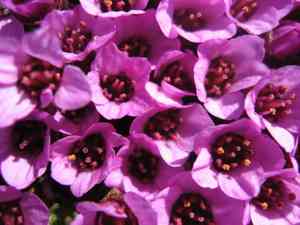
Naked miterwort (Mitella nuda)
Also known as: Bare-stem bishop's cap
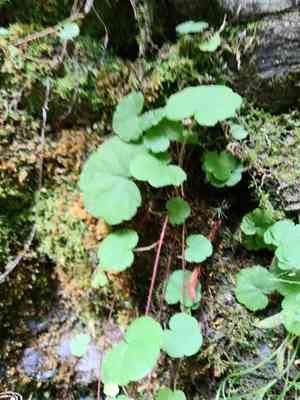
The Naked miterwort (Mitella nuda), also referred to as the Naked bishop's cap, is a low-growing perennial with distinctive hairy, light green leaves that are slightly serrated. It thrives in the northern United States, where it typically grows in damp and shady environments. You'll often find it in wetlands, swamps, moist woodlands, and along stream banks, serving as a natural groundcover in these habitats.
In This Article
Attributes of Naked miterwort
Lifespan
Perennial
Plant Type
Herb
Plant Height
8 cm to 20 cm
Spread
N/A
Leaf Color
Green
Flower Size
2.5 cm
Flower Color
Yellow Green Brown
Images of Naked miterwort
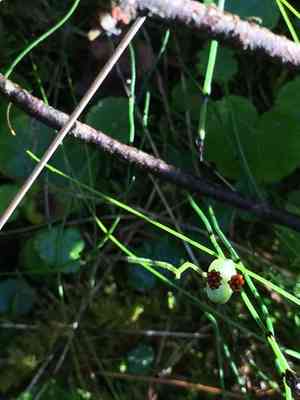
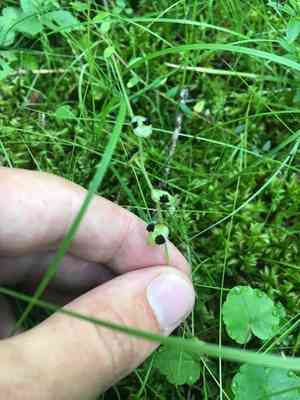
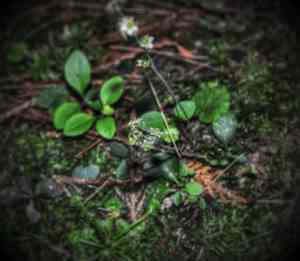
Quickly Identify Naked miterwort
1
Mitella nuda can be identified by its distinctive, five-petaled greenish-white flowers which appear to be fringed. The leaves are kidney-shaped with a scalloped edge, and they form a basal rosette.
Scientific Classification of Naked miterwort
Phylum
Vascular plants
Class
Dicotyledons
Order
Saxifragales
Family
Saxifrage
Genus
Miterworts
Species
Naked miterwort
Planting and Growing of Naked miterwort
Care Difficulty
Easy
Watering Schedule
Every 2 days
Sunlight Requirements
Partial sun
Sunshine Duration
10-14 hours
Ideal Temperature
50-65℉
Soil Type
Potting Mix, Peat Mix
Soil pH
5.5-7.5
Fertilizer Type
Balanced
Pruning Season
Spring, Summer
Pruning Area
Branches, Leaves
Pruning Frequency
2 times a year
Repotting Season
Spring
Pot Type
Plastic, Ceramic
 How to Water Naked miterwort?
For Mitella nuda, a consistent watering approach is key. Ideally, water until the soil feels evenly moist to the touch, but be cautious of making the soil soggy. Ensure that excess water drains freely to prevent root rot, as too much moisture can be just as harmful as too little.
What are the symptoms of an underwatered Naked miterwort?
›
What should I do if my Naked miterwort is not getting enough water?
›
What are the symptoms of an overwatered Naked miterwort?
›
How to save an overwatered Naked miterwort?
›
 What Are the Sunlight Requirements for Naked miterwort?
Partial to full shade is ideal, providing Mitella nuda with gentle light that supports lush growth and prevents stress from harsh sunlight.
More About Sunlight Requirements Techniques→
What is the best location for Mitella nuda to thrive?
›
How can you ensure Mitella nuda gets its ideal light?
›
What are the benefits of ideal lighting for Mitella nuda?
›
 What Is the Ideal Temperature Range for Naked miterwort?
The ideal temperature range for cultivating Mitella nuda is between 50°F and 65°F. This range is optimal because it mimics the plant's natural habitat, where moderate conditions prevail. These temperatures ensure proper physiological processes such as photosynthesis, transpiration, and nutrient uptake remain efficient, promoting healthy growth and development.
 What Soil is Best for Naked miterwort?
Mitella nuda thrives in soil that retains moisture well, yet drains sufficiently to prevent waterlogging. This balance ensures the roots remain hydrated, boosting the plant's growth and vitality. Rich organic matter in the soil supports the nutrient needs of Mitella nuda, promoting robust foliage and beautiful blooms, ensuring a thriving and vibrant plant. Good drainage in the soil helps prevent root rot and disease, making sure that the plant stays healthy and strong throughout its growing seasons.
 How to Fertilize Naked miterwort?
Mitella nuda, also known as naked miterwort, requires a light hand when it comes to fertilizer. Use a diluted liquid fertilizer solution, applying at half the strength recommended on the label. For solid fertilizers, choose a balanced, slow-release formula and apply at approximately two tablespoons per plant annually.
 How to Prune Naked miterwort?
Begin by identifying any stems that appear dead or diseased. These will often be brown or discolored compared to healthy, green stems. Using pruning shears, make clean cuts at a 45-degree angle just above the stem's base or above a node, ensuring healthy new branches can sprout. Trim back any excess or overcrowded stems to improve air circulation and light penetration within the plant, preventing mold or mildew.
More About Pruning Techniques→
 How to Propagate Naked miterwort plant?
1
Collect healthy seeds from mature Mitella nuda plants. Make sure the seeds are dry and free from molds or damage. It's crucial to choose seeds at the right stage of maturity for better penetration and germination.
2
Use a well-draining potting mix to fill seed trays or pots. Mitella nuda seeds require a light, moist medium for optimal germination. A mix of peat and perlite can provide the ideal balance of moisture retention and aeration.
3
Sow the seeds on the surface of the prepared soil and press them gently to ensure contact. Do not cover the seeds as they require light for germination. Keep the soil consistently moist by misting with water.
 How to Repot Naked miterwort plant?
1
Mitella nuda indicates its repotting needs by showing slow growth or becoming root-bound, with roots visibly growing through the drainage holes. Spring is ideal, allowing the plant to recover as growth resumes.
2
Select a pot 1-2 inches larger in diameter than the current one. This supports healthy root growth without overwhelming the plant with excess soil, which could retain too much moisture.
3
Opt for a moist, well-drained soil mix rich in organic material. This particular mix retains necessary moisture while providing sufficient aeration to prevent root rot and ensure healthy plant growth.



