
Linearleaf snapdragon (Misopates orontium)
Also known as: Weasel's snout, Corn snapdragon, Small snapdragon
The plant you're describing is likely the common pink (Dianthus plumarius), an annual flowering plant originally from temperate Europe. While it usually showcases pink blooms, there are also varieties that produce white flowers.
In This Article
Attributes of Linearleaf snapdragon
Lifespan
Annual, Perennial
Plant Type
Herb
Plant Height
60 cm
Spread
30-50 cm
Leaf Color
Green
Flower Size
6 mm
Flower Color
Purple Pink Blue Lavender
Images of Linearleaf snapdragon
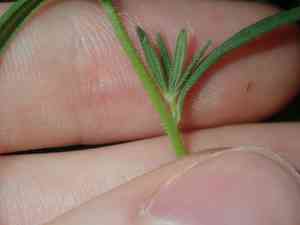
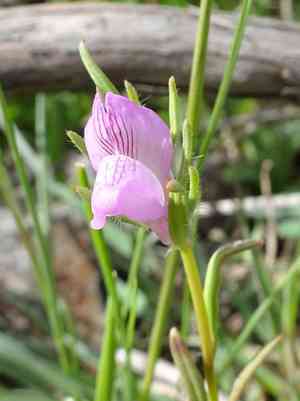
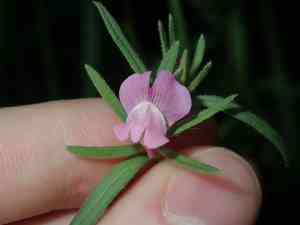
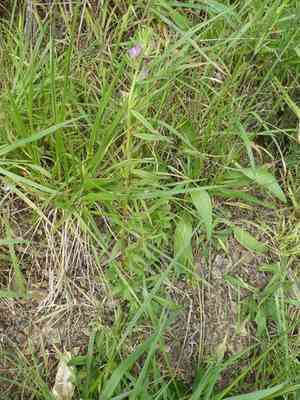
Quickly Identify Linearleaf snapdragon
1
Slender lanceolate leaves, 1-3 inches (2.5-7.6 cm) long, vibrant green.
2
Snapdragon-like flowers, pink to magenta, 1/2 inch (1.27 cm) wide, bilateral symmetry.
3
Elongated fruit resembling a weasel's snout, 1-2 inches (2.5-5 cm) long, dry texture.
4
Fruit capsule splits open upon ripeness, papery texture, aids in seed dispersal.
5
Blooms from late spring to early fall, stems slender, up to 12 inches (30 cm) tall.
Scientific Classification of Linearleaf snapdragon
Phylum
Vascular plants
Class
Dicotyledons
Order
Lamiales
Family
Plantain
Genus
Snapdragons
Species
Linearleaf snapdragon
Planting and Growing of Linearleaf snapdragon
Care Difficulty
Easy
Watering Schedule
Every 3 days
Sunlight Requirements
Full sun
Sunshine Duration
4-6 hours
Ideal Temperature
60-75℉
Soil Type
Potting Mix, Peat Mix
Soil pH
6.5-7.5
Fertilizer Type
Balanced
Pruning Season
Spring, Summer
Pruning Area
Branches, Leaves
Pruning Frequency
2 times a year
Repotting Season
Spring
Pot Type
Plastic, Ceramic
 How to Water Linearleaf snapdragon?
Misopates orontium generally prefers the soil to be a bit on the dry side. When watering, aim to provide approximately 200 milliliters each time, ensuring the soil is moist but not soggy. It's essential that the excess water drains out easily to prevent root rot. The plant benefits from a period of dryness between waterings, mimicking its natural environment.
What are the symptoms of an underwatered Linearleaf snapdragon?
›
What should I do if my Linearleaf snapdragon is not getting enough water?
›
What are the symptoms of an overwatered Linearleaf snapdragon?
›
How to save an overwatered Linearleaf snapdragon?
›
 What Are the Sunlight Requirements for Linearleaf snapdragon?
Misopates orontium fares best in full to partial sun environments. Ideal light enhances photosynthesis, ensuring vigorous stems and a full bloom display.
How much sunlight does Misopates orontium need?
›
Where should I place it to get adequate light?
›
What are the benefits of ideal sunlight exposure?
›
 What Is the Ideal Temperature Range for Linearleaf snapdragon?
Misopates orontium thrives best at temperatures between 60°F and 75°F. This range supports optimal photosynthesis, growth, and flowering. Temperatures within this range should be maintained consistently to ensure healthy development and to prevent stress, which can lead to stunted growth and susceptibility to diseases.
 What Soil is Best for Linearleaf snapdragon?
Misopates orontium thrives in well-drained soils to prevent root rot. Ensuring that water can percolate efficiently through the soil helps maintain healthy root systems and flourishing growth. The plant benefits from soils enriched with organic matter. A nutrient-rich soil supports robust growth and vibrant flowering, facilitating the development of a strong and healthy plant structure. Consistent but not excessive moisture in the soil is vital. It prevents the plant from drying out while avoiding waterlogging, ensuring a balanced environment that's ideal for its growth needs.
 How to Fertilize Linearleaf snapdragon?
Misopates orontium, commonly known as weasel's snout or lesser snapdragon, generally requires light fertilization. Use a balanced, all-purpose fertilizer with an N-P-K ratio such as 10-10-10, applying at half strength. Over-fertilization can harm, so moderation is key.
 How to Prune Linearleaf snapdragon?
Start by identifying any dead or diseased stems and leaves. Use clean, sharp scissors to make clean cuts just above the nearest healthy node. Focus on maintaining an even and tidy shape. Removing competing stems will help promote stronger growth.
More About Pruning Techniques→
 How to Propagate Linearleaf snapdragon plant?
1
Mix a sterile potting blend with peat moss and perlite for optimal drainage and nutrient availability. Fill the seedling tray with this mixture, leaving about half an inch of space from the top for water and air circulation.
2
Scatter the seeds gently over the prepared soil mixture, ensuring even spacing. Lightly press the seeds into the soil, avoiding covering them completely, as Misopates orontium seeds require light for germination.
3
Mist the seeds lightly to settle them into the soil and ensure excellent contact. Position the tray in a well-lit area with indirect sunlight to maintain a warm, consistent temperature conducive to germination.
 How to Repot Linearleaf snapdragon plant?
1
Repot Misopates orontium when you notice roots emerging from the drainage holes or when the plant's growth appears stunted. This usually indicates the pot is too small for proper root expansion. Ideally, repotting should be done during the active growing seasons of spring or autumn to minimize stress on the plant.
2
Select a pot that is one to two sizes larger than the current one, ensuring it has adequate drainage holes. A pot that is too large can retain excess water, leading to root rot. Terracotta pots are excellent choices as they are porous and offer good air circulation, helping to regulate soil moisture levels.
3
Opt for a well-draining sandy soil mix, which is ideal for Misopates orontium. Such soil prevents waterlogging, thus reducing the risk of root rot. Light, aerated soil allows roots to breathe properly and promotes healthy growth, ensuring your plant thrives in its new environment.
Learn More About Linearleaf snapdragon Diseases
Anthracnose
Bacterial Leaf Spot
Bacterial Soft Rot
Bacterial Wilt
Black Spot
Chemical Injury
Crown Gall
Cyst Nematode
Damping-off
Downy Mildew
Drought Stress
Fusarium Wilt
Gray Mold
Leaf Curl
Leaf Spot
Mosaic
Nutrient Deficiency
Nutrient Toxicity
Powdery Mildew
Root Rot
Root-knot Nematode
Rusts
Sooty Mold
Spider Mites
Temperature Stress
Thrips Damage
White Mold



