Amur silver grass (Miscanthus sacchariflorus)
Also known as: Silver banner grass
Amur silver grass (Miscanthus sacchariflorus) is a tall, rhizome-spreading grass that forms large, dense clumps. It's ideal for use as a windbreak or for providing shade in ornamental gardens. While not typically invasive, its thick growth can overshadow other plants in moist, disturbed areas.
In This Article
Attributes of Amur silver grass
Lifespan
Perennial
Plant Type
Grass
Plant Height
1.5 m to 2.5 m
Spread
2 m
Leaf Color
Green
Flower Size
10 cm
Flower Color
White Green Yellow Purple Red Brown Silver
Images of Amur silver grass
Quickly Identify Amur silver grass
1
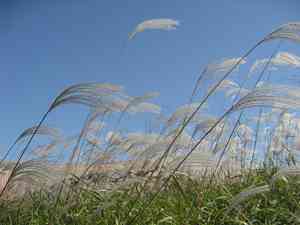
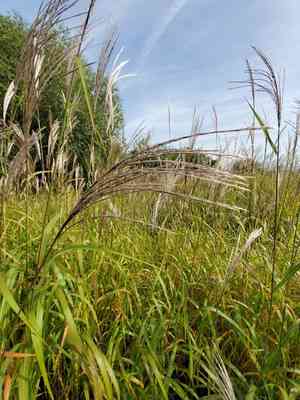
Miscanthus sacchariflorus is identifiable by its tall, cane-like stalks that can range from 1.5 to 2.5 meters in height. The leaves are long, narrow, and arching with a prominent midrib. The feathery flower plumes usually appear in late summer to early fall and are typically silvery-white in color.
Scientific Classification of Amur silver grass
Phylum
Vascular plants
Class
Monocotyledons
Order
Grasses, sedges and allies
Family
Grass
Genus
Silvergrasses
Species
Amur silver grass
Planting and Growing of Amur silver grass
Care Difficulty
Easy
Watering Schedule
Every 4 days
Sunlight Requirements
Full sun
Sunshine Duration
6-8 hours
Ideal Temperature
65-77℉
Soil Type
Potting Mix, Peat Mix
Soil pH
6.5-7.5
Fertilizer Type
Balanced
Pruning Season
Spring, Summer
Pruning Area
Branches, Leaves
Pruning Frequency
2 times a year
Repotting Season
Spring
Pot Type
Plastic, Ceramic
 How to Water Amur silver grass?
Miscanthus sacchariflorus thrives well when watered adequately. The key is to keep the soil consistently moist but not waterlogged. The goal is to allow water to penetrate deeply, reaching the root zone, while avoiding standing water around the plant. Using approximately 500 milliliters of water each time ensures the soil absorbs enough moisture without causing waterlogging.
What are the symptoms of an underwatered Amur silver grass?
›
What should I do if my Amur silver grass is not getting enough water?
›
What are the symptoms of an overwatered Amur silver grass?
›
How to save an overwatered Amur silver grass?
›
 What Are the Sunlight Requirements for Amur silver grass?
Miscanthus sacchariflorus thrives in full sun to partial sun conditions. Ideal light facilitates efficient photosynthesis, promoting vigorous growth, and enhancing its natural aesthetic allure, contributing positively to garden landscapes.
More About Sunlight Requirements Techniques→
What is the ideal sun exposure for Miscanthus sacchariflorus?
›
How can I provide ideal lighting for Miscanthus sacchariflorus in a less sunny area?
›
What benefits does ideal lighting offer to Miscanthus sacchariflorus?
›
 What Is the Ideal Temperature Range for Amur silver grass?
The ideal temperature range for growing Miscanthus sacchariflorus is between 65°F and 77°F. This range offers optimal conditions for photosynthesis and metabolic activities, promoting healthy growth and vigor. Consistent temperatures within this range minimize plant stress and prevent growth-related issues.
 What Soil is Best for Amur silver grass?
Miscanthus sacchariflorus thrives in nutrient-rich soil, which provides the essential minerals and organic matter it needs to grow vigorously. The availability of nutrients supports robust growth and helps the plant to form dense, healthy clumps. This plant requires soil with good drainage to prevent waterlogging, which can lead to root rot. Proper drainage ensures that excess water moves away quickly, maintaining the right moisture balance for optimal plant health. While good drainage is essential, the soil should also retain enough moisture to keep the plant hydrated. Maintaining adequate moisture levels supports continuous growth and prevents drought stress, particularly during hot summer months.
 How to Fertilize Amur silver grass?
For Miscanthus sacchariflorus, use a balanced fertilizer with a ratio like 10-10-10. Apply liquid fertilizers at a concentration of around 1 tablespoon per gallon of water. Be cautious with quantities; excess can harm the roots and overall health of the plant.
 How to Prune Amur silver grass?
It's best to prune Miscanthus sacchariflorus at the end of winter or the beginning of spring. This timing allows removal of dead foliage before the new growth starts, thus providing the plant with a fresh start for the growing season. Begin by cutting back old stems to about 4-6 inches from the ground. Use sharp pruners or shears to ensure clean cuts. Remove any dead or diseased stems and thin out dense sections to improve air circulation.
More About Pruning Techniques→
 How to Propagate Amur silver grass plant?
1
Choose a mature plant with a well-established root system. Carefully dig around its base to expose the roots, then lift the clump out of the ground.
2
Use a spade or a sharp knife to divide the root clump into smaller sections. Each section should have at least a few strong shoots and an intact root system to ensure successful growth.
3
Replant each divided section in a prepared bed with well-draining, fertile soil. Water thoroughly to eliminate air pockets and ensure good contact with the soil.
 How to Repot Amur silver grass plant?
1
Miscanthus sacchariflorus needs repotting when its roots become root-bound, often visible by roots growing out of drainage holes or the plant appearing top-heavy. This is an indication that the current pot no longer provides sufficient space for root expansion, hindering its growth.
2
Select a pot that is one size larger than the current one, ideally with ample drainage holes. This prevents waterlogging, which can lead to root rot, ensuring the roots receive just the right amount of moisture without excess. A pot with a balanced size ensures stability as well.
3
Opt for well-draining loamy soil, rich in organic matter. This type of soil retains adequate moisture while allowing excess water to drain, promoting healthy root aeration. It also provides essential nutrients for sustained growth, mimicking the plant's natural habitat.



