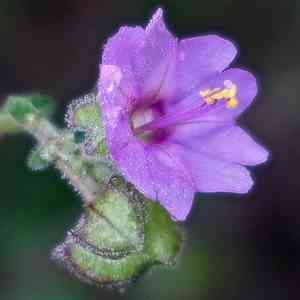
umbrellaworts (Mirabilis) (Mirabilis)
Also known as: Four o'clock flower, Marvel of Peru
The Mirabilis, commonly known as Four O'Clocks, are renowned for their vibrant and highly fragrant flowers. These plants are notable for blooming in the late afternoon. Several species are popular in gardens for their ornamental value, and they often develop deep, tuberous roots. One species, Mirabilis expansa, is cultivated in the Andean region as a crop known as mauka or chago.
In This Article
Attributes of umbrellaworts (Mirabilis)
Lifespan
Perennial
Plant Height
1 to 3 feet
Spread
1 to 2 feet
Leaf Color
Green, sometimes variegated
Flower Size
1 to 2 inches
Flower Color
Pink, white, yellow, magenta, red, bi-colored
Images of umbrellaworts (Mirabilis)
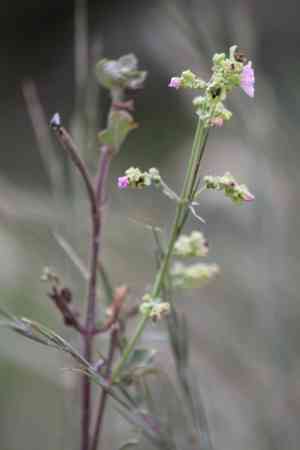
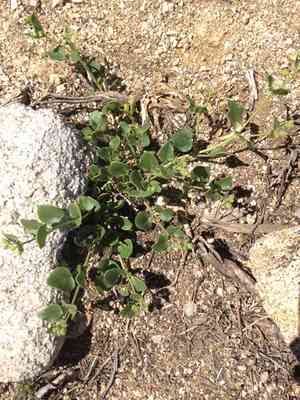
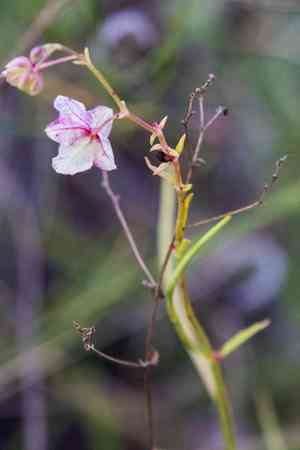
Quickly Identify umbrellaworts (Mirabilis)
1
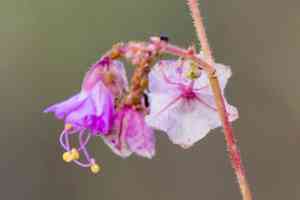
Identifying Mirabilis can be done by observing its unique blooming pattern—flowers open in the late afternoon and close by morning. They typically have trumpet-shaped flowers and vibrant, variegated leaves. The plants are bushy and can spread rather wide.
Scientific Classification of umbrellaworts (Mirabilis)
Phylum
Magnoliophyta
Class
Magnoliopsida
Order
Caryophyllales
Family
Nyctaginaceae
Genus
Mirabilis
Planting and Growing of umbrellaworts (Mirabilis)
Care Difficulty
Easy
Watering Schedule
Every 8 days
Sunlight Requirements
Full sun
Sunshine Duration
4-8 hours
Ideal Temperature
65-75℉
Soil Type
Potting Mix, Peat Mix
Soil pH
6.5-7.5
Fertilizer Type
Balanced
Pruning Season
Spring, Summer
Pruning Area
Branches, Leaves
Pruning Frequency
2 times a year
Repotting Season
Spring
Pot Type
Plastic, Ceramic
 How to Water umbrellaworts (Mirabilis)?
For Mirabilis, it's crucial to keep the soil evenly moist. Ensure you water until the top 2-3 inches of soil feel adequately saturated, though not soggy. This usually requires around 500 ml per session, depending on the size of the pot and current soil moisture levels.
What are the symptoms of an underwatered umbrellaworts (Mirabilis)?
›
What should I do if my umbrellaworts (Mirabilis) is not getting enough water?
›
What are the symptoms of an overwatered umbrellaworts (Mirabilis)?
›
How to save an overwatered umbrellaworts (Mirabilis)?
›
 What Are the Sunlight Requirements for umbrellaworts (Mirabilis)?
Mirabilis thrives best in full to partial sun, where they can harness the energy required for vibrant and plentiful blooming. Ample sunlight promotes its natural beauty and healthy development.
Question 1: What are the optimal lighting conditions for Mirabilis?
›
Question 2: How can one ensure Mirabilis gets ideal lighting?
›
Question 3: What are the benefits of ideal lighting for Mirabilis?
›
 What Is the Ideal Temperature Range for umbrellaworts (Mirabilis)?
For optimal growth, Mirabilis prefers a temperature range between 65°F to 75°F. This temperature range supports photosynthesis and other metabolic processes that are essential for plant growth and flowering. Consistency within this range ensures healthy foliage and abundant blooms.
 What Soil is Best for umbrellaworts (Mirabilis)?
Mirabilis thrives best in well-drained soils that prevent waterlogging and root rot. Ensuring proper drainage can lead to more robust growth and vibrant blooms, as pooling water can suffocate roots. This plant prefers soils that are moderately fertile. Nutrient-rich soils support healthy foliage and abundant flowering, contributing to the plant's overall vigor and aesthetic appeal. Mirabilis prefers soils with a slightly acidic to neutral pH. This range allows optimal nutrient availability, supporting healthy root and shoot development.
 How to Fertilize umbrellaworts (Mirabilis)?
Mirabilis plants require moderate fertilization. A balanced fertilizer such as a 10-10-10 can be used. When applying liquid fertilizer, use about half the recommended strength on the package to avoid overfeeding. For solid fertilizers, apply approximately 2 tablespoons per plant, but be careful to distribute it evenly.
 How to Prune umbrellaworts (Mirabilis)?
Start by removing any dead, damaged, or diseased branches. This encourages healthy growth and prevents diseases from spreading. Pinch back the tops of stems to promote bushier growth. Pay attention to shape and aesthetics while keeping the plant's natural form in mind. Use clean, sharp tools to make precise cuts, which will also help prevent infections.
 How to Propagate umbrellaworts (Mirabilis) plant?
1
Begin by soaking Mirabilis seeds in water for 24 hours to break dormancy and enhance germination rates. Fill seed trays with a light, well-draining potting mix and plant the soaked seeds approximately 1/4 inch deep.
2
Select healthy, non-flowering stems for cuttings. Using sharp pruners, snip about 4-6 inches of stem just below a node. Remove the lower leaves to reduce water loss and place the cuttings in water or a moist rooting medium.
3
Once seedlings or rooted cuttings are robust with multiple true leaves or strong roots, carefully transplant them into larger pots or their final outdoor location. Ensure the planting site has well-draining soil and receives full to partial sunlight.
 How to Repot umbrellaworts (Mirabilis) plant?
1
Mirabilis plants should be repotted when their roots begin to outgrow the pot, which can cause the plant to become root-bound. This usually manifests as roots emerging from the drainage holes or the soil's surface. Repotting during periods of active growth in spring or summer ensures the plant adjusts quickly.
2
Select a pot that is 1-2 inches larger in diameter than the current one. This gradual size increase prevents excessive water retention, reducing the risk of root rot. Opt for pots with good drainage to promote healthy root aeration and avoid stagnant water buildup.
3
Mirabilis thrive best in a well-draining potting mix. An ideal soil mixture combines garden soil, peat moss, and perlite. The blend ensures sufficient drainage, aeration, and moisture retention, supporting robust root development and preventing oversaturation.
Toxicity
Ingestion
WARNING
The judgment on toxicity and danger is for reference only. We DO NOT GUARANTEE any accuracy of such judgment. Therefore, you SHALL NOT rely on such judgment. It is IMPORTANT TO SEEK PROFESSIONAL ADVICE in advance when necessary.
Learn More About umbrellaworts (Mirabilis) Diseases
Anthracnose
Bacterial Leaf Spot
Bacterial Soft Rot
Bacterial Wilt
Black Spot
Chemical Injury
Crown Gall
Cyst Nematode
Damping-off
Downy Mildew
Drought Stress
Fusarium Wilt
Gray Mold
Leaf Curl
Leaf Spot
Mosaic
Nutrient Deficiency
Nutrient Toxicity
Powdery Mildew
Root Rot
Root-knot Nematode
Rusts
Sooty Mold
Spider Mites
Temperature Stress
Thrips Damage
White Mold

