
Mimulus (Mimulus) (Mimulus)
Also known as: Monkeyflower, Muskflower
Mimulus, commonly known as monkey flowers, are predominantly native to North America, particularly the western regions like California. Additionally, they can be found in parts of Asia, Australia, and South America. The name "Mimulus" is derived from the Latin word for "mimic," a nod to the flower's face-like appearance. These flowers come in a wide range of vibrant colors, including orange, red, purple, and white. They are valued for their striking hues and are often used in gardens and landscapes for their drought-tolerant properties, thriving in borders and rock gardens.
In This Article
Attributes of Mimulus (Mimulus)
Lifespan
Annual, Perennial
Plant Height
80 cm
Spread
45 cm
Leaf Color
Green
Flower Size
2-5 cm
Flower Color
Yellow, red, pink, purple
Images of Mimulus (Mimulus)


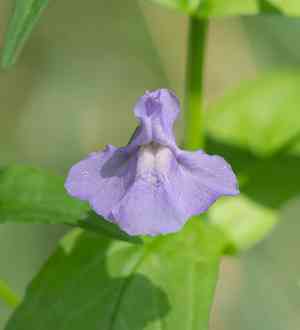
Quickly Identify Mimulus (Mimulus)
1
Mimulus can be identified by their opposite leaves, tubular flowers that often have spots or unique patterns, and a slightly sticky stem.
Scientific Classification of Mimulus (Mimulus)
Phylum
Angiosperms
Class
Magnoliopsida
Order
Lamiales
Family
Phrymaceae
Genus
Mimulus
Planting and Growing of Mimulus (Mimulus)
Care Difficulty
Easy
Watering Schedule
Every 6 days
Sunlight Requirements
Partial sun
Sunshine Duration
4-8 hours
Ideal Temperature
65-75℉
Soil Type
Potting Mix, Peat Mix
Soil pH
6.5-7.5
Fertilizer Type
Balanced
Pruning Season
Spring, Summer
Pruning Area
Branches, Leaves
Pruning Frequency
2 times a year
Repotting Season
Spring
Pot Type
Plastic, Ceramic
 How to Water Mimulus (Mimulus)?
Mimulus plants prefer a moist soil condition, so it's essential to water them enough to keep the soil consistently moist, without being waterlogged. Generally, around 250 milliliters per session is optimal, ensuring water reaches the roots without pooling on the surface.
What are the symptoms of an underwatered Mimulus (Mimulus)?
›
What should I do if my Mimulus (Mimulus) is not getting enough water?
›
What are the symptoms of an overwatered Mimulus (Mimulus)?
›
How to save an overwatered Mimulus (Mimulus)?
›
 What Are the Sunlight Requirements for Mimulus (Mimulus)?
Mimulus flourishes in partial to full sun environments. Ideal light encourages lush foliage, strong branches, and prolific flowering, showcasing the plant's natural beauty.
Optimal Light Level
›
Solution for Ideal Light
›
Benefits of Correct Lighting
›
 What Is the Ideal Temperature Range for Mimulus (Mimulus)?
The ideal temperature range for growing Mimulus is between 65°F and 75°F. This range provides a comfortable climate that facilitates vitality and promotes lush flowering. Maintaining these temperatures allows for efficient photosynthesis and metabolism, essential for healthy plant development.
 What Soil is Best for Mimulus (Mimulus)?
Mimulus thrives in well-drained soils that prevent waterlogging which can lead to root rot. Ensuring proper drainage allows the plant roots to access oxygen efficiently, promoting healthier growth and vibrant flowers. Rich organic content is essential for Mimulus, providing the necessary nutrients for its rapid growth and flowering. Incorporating compost or aged manure boosts soil fertility, leading to more vigorous plants with robust blooms. Mimulus prefers soil that holds moisture while still being able to drain excess water. This balance is critical for maintaining consistent soil moisture, which is crucial for the plant's hydration needs, especially during dry spells.
 How to Fertilize Mimulus (Mimulus)?
Mimulus plants generally require a balanced amount of fertilizer to thrive. A typical recommendation is to use a liquid fertilizer diluted to half strength every two weeks during the growing season. This helps avoid nutrient burn while ensuring steady and healthy growth.
 How to Prune Mimulus (Mimulus)?
Start by looking for any brown or brittle stems on your Mimulus plant. These are dead or damaged parts that should be removed to make way for fresh growth. Gently cut back any overgrown stems. This not only shapes your plant but also encourages new growth and a fuller appearance. Regularly remove faded flowers by pinching them back. This stimulates the plant to produce more blooms and prolongs the flowering period. Prune symmetrically around the plant to keep its shape balanced. This ensures even distribution of sunlight and air, preventing fungal diseases.
 How to Propagate Mimulus (Mimulus) plant?
1
Start by collecting or purchasing Mimulus seeds. Soak them in lukewarm water for a few hours to soften the seed coat, which can enhance germination rates. Next, prepare a seed tray with a well-draining potting mix.
2
Select healthy stems from the Mimulus plant, ideally those that have not yet flowered. Cut sections about 4-6 inches long. Remove any leaves from the lower half of the cutting to prevent rotting.
3
Carefully dig up a mature Mimulus plant during early spring. Use a sharp knife or spade to divide the root ball into sections. Each section should have roots and a few shoots, ensuring new growth.
 How to Repot Mimulus (Mimulus) plant?
1
Mimulus plants signal the need for repotting when their roots begin to spiral at the bottom of the pot or emerge from the drainage holes. This often happens in early spring, which aligns perfectly with their active growth period. Repotting at this time minimizes stress and takes advantage of the plant's natural growth momentum, ensuring a smooth transition to its new home.
2
Select a pot that is about one size larger than the current one and ensure that it has good drainage. Pots made of terracotta allow for breathability, reducing the risk of root rot by allowing excess moisture to evaporate. This is especially beneficial for Mimulus, which thrives in a well-aerated environment.
3
Opt for a potting mix that retains moisture but also drains well, such as a mix with peat, perlite, and sand. This soil combination ensures roots are kept moist but not waterlogged, playing a crucial role in preventing fungal infections and promoting healthy growth in Mimulus.
Learn More About Mimulus (Mimulus) Diseases
Anthracnose
Bacterial Leaf Spot
Bacterial Soft Rot
Bacterial Wilt
Black Spot
Chemical Injury
Crown Gall
Cyst Nematode
Damping-off
Downy Mildew
Drought Stress
Fusarium Wilt
Gray Mold
Leaf Curl
Leaf Spot
Mosaic
Nutrient Deficiency
Nutrient Toxicity
Powdery Mildew
Root Rot
Root-knot Nematode
Rusts
Sooty Mold
Spider Mites
Temperature Stress
Thrips Damage
White Mold

