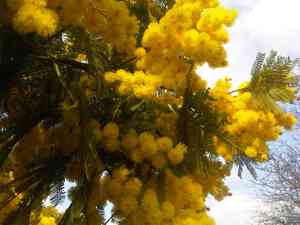
Sensitive plants (Mimosa) (Mimosa)
Also known as: Sensitive plant, Touch-me-not, Humble plant
Mimosa plants are noted for their appealing leaves and blossoms. The genus name "Mimosa" is derived from the Greek word "mimos," meaning "mime," highlighting the plant's leaf-folding response to touch. Additionally, their seed pods can lead to invasive growth in certain regions.
In This Article
Attributes of Sensitive plants (Mimosa)
Lifespan
Perennial
Plant Height
30-100 cm
Spread
Up to 1 meter
Leaf Color
Green
Flower Size
1-2 cm
Flower Color
Pink, purple
Images of Sensitive plants (Mimosa)
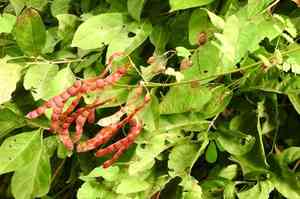
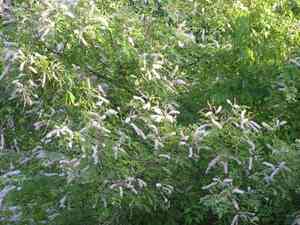
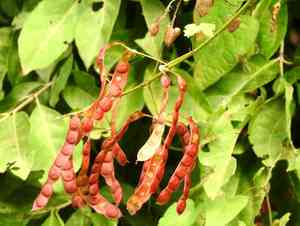
Quickly Identify Sensitive plants (Mimosa)
1
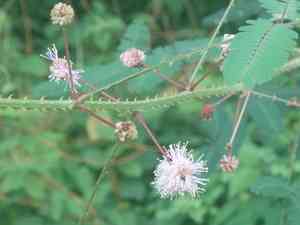
Mimosa can be identified by its pinnate leaves that fold inward when touched, small pink or purple globular flowers, and thorny stems. Observing the touch-sensitive leaf movements is a key identification trait.
Scientific Classification of Sensitive plants (Mimosa)
Phylum
Magnoliophyta
Class
Magnoliopsida
Order
Fabales
Family
Fabaceae
Genus
Mimosa
Planting and Growing of Sensitive plants (Mimosa)
Care Difficulty
Moderate
Watering Schedule
Every 2 days
Sunlight Requirements
Partial sun
Sunshine Duration
4-8 hours
Ideal Temperature
65-75℉
Soil Type
Potting Mix, Peat Mix
Soil pH
6-7.5
Fertilizer Type
Balanced
Pruning Season
Spring, Summer
Pruning Area
Leaves, Branches
Pruning Frequency
2 times a year
Repotting Season
Spring
Pot Type
Plastic, Ceramic
 How to Water Sensitive plants (Mimosa)?
For Mimosa, watering should be done cautiously to ensure soil moisture without waterlogging. A general guideline is to use approximately 100 ml of water each time but ensure the soil is moist to the touch, allowing excess water to drain through the bottom of the pot.
What are the symptoms of an underwatered Sensitive plants (Mimosa)?
›
What should I do if my Sensitive plants (Mimosa) is not getting enough water?
›
What are the symptoms of an overwatered Sensitive plants (Mimosa)?
›
How to save an overwatered Sensitive plants (Mimosa)?
›
 What Are the Sunlight Requirements for Sensitive plants (Mimosa)?
Partial sun is ideal, with two to six hours of direct sunlight per day. This range supports healthy growth and enhances flowering without causing stress from overexposure.
What is the ideal lighting condition for Mimosa?
›
How can I achieve ideal lighting for Mimosa?
›
What benefits do Mimosa gain from ideal lighting?
›
 What Is the Ideal Temperature Range for Sensitive plants (Mimosa)?
The ideal temperature range for Mimosa plants is 65°F to 75°F. During this range, the plant experiences optimal growth and flourishing. Temperatures within these limits ensure that Mimosa can carry out photosynthesis efficiently and maintain their vitality. Maintaining an ideal temperature is crucial for the plant's metabolic activities and health.
 What Soil is Best for Sensitive plants (Mimosa)?
Mimosa requires soil with excellent drainage capabilities. Loamy soil, due to its balance of sand, silt, and clay, provides the perfect structure for water to seep efficiently, ensuring that the roots receive adequate moisture without causing waterlogging. Rich in organic matter, loamy and sandy loam soils deliver essential nutrients to Mimosa plants, promoting robust growth. This organic richness supports the plant's need for nutrients, ensuring lush foliage and vibrant blooms. Aerated soil is vital for healthy Mimosa growth. Loam, with its optimal texture, allows air to appropriately circulate around the roots, providing them with oxygen necessary for nutrient uptake and overall plant vitality.
 How to Fertilize Sensitive plants (Mimosa)?
For Mimosa, a balanced fertilizer with equal parts of nitrogen, phosphorus, and potassium is recommended. Use approximately one teaspoon of liquid fertilizer for every gallon of water. For slow-release fertilizers, use about 1/4 cup spread evenly over the soil surface. Always adjust the quantities based on the plant's response and environmental conditions.
 How to Prune Sensitive plants (Mimosa)?
Begin by assessing the plant's current shape. Remove any dead or damaged branches first. Then, cut back long or straggly shoots to maintain a balanced form. Make cuts just above a node or bud to encourage newer, healthier growth. Aim for a rounded shape that allows light and air to penetrate all parts of the plant. Prune Mimosa plants during late spring or early summer. This ensures that the plant has sufficient warm weather to recover and push out new growth. Avoid pruning in late summer or autumn, as it may stimulate growth that could be damaged by winter frosts.
 How to Propagate Sensitive plants (Mimosa) plant?
1
Start by soaking the seeds in warm water for 24 hours to break dormancy. Once soaked, plant the seeds into trays filled with seed-starting mix. Keep the soil consistently moist and warm to encourage germination.
2
Select healthy, non-flowering shoots from the parent plant for cuttings. Cut just below a node to include at least two leaf nodes and remove the lowest leaves to reduce moisture loss.
3
Dip the cut end of the cutting in rooting hormone to enhance root development. Insert the cutting into a pot with a moist potting mix, ensuring nodes are below the surface. Covering the cuttings with a plastic bag can help maintain humidity.
 How to Repot Sensitive plants (Mimosa) plant?
1
Repot in the spring when you see roots poking out of the drainage holes, or when the soil dries out too quickly after watering. This indicates that the plant has outgrown its current pot and needs more space.
2
Select a pot that is 1-2 inches larger in diameter than the current one. Ensure it has drainage holes to prevent waterlogging, which can cause root rot. A slightly larger pot gives the roots room to grow without overwhelming the plant with too much soil.
3
Opt for a well-draining sandy mix, ideally with added perlite or pine bark. This type of soil prevents root rot by allowing excess moisture to escape easily while retaining necessary nutrients.
Learn More About Sensitive plants (Mimosa) Diseases
Anthracnose
Bacterial Leaf Spot
Bacterial Wilt
Crown Gall
Cyst Nematode
Damping-off
Downy Mildew
Drought Stress
Fusarium Wilt
Gray Mold
Leaf Curl
Leaf Spot
Mosaic
Nutrient Deficiency
Nutrient Toxicity
Powdery Mildew
Root Rot
Root-knot Nematode
Rusts
Sooty Mold
Spider Mites
Temperature Stress
Thrips Damage
White Mold

