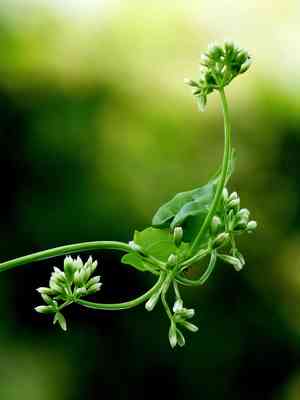
Mile-a-minute (Mikania micrantha)
Also known as: Bitter vine, Mile-a-minute vine
Originating from South America, the tropical weed Parthenium hysterophorus, also known as Santa Maria feverfew, is known for its rapid and invasive growth. Remarkably, a single plant can disperse up to 40,000 seeds during one growing season. While it is sometimes used as animal fodder, its aggressive spread poses significant challenges.
In This Article
Attributes of Mile-a-minute
Lifespan
Perennial
Plant Type
Herb
Plant Height
6 m
Spread
N/A
Leaf Color
Green
Flower Size
4.5 mm to 6 mm
Flower Color
White Green
Images of Mile-a-minute
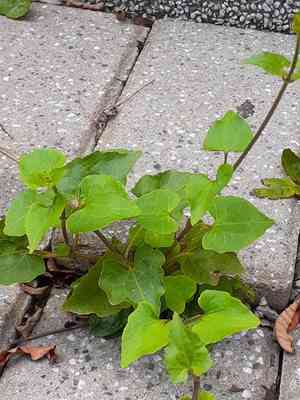
Quickly Identify Mile-a-minute
1
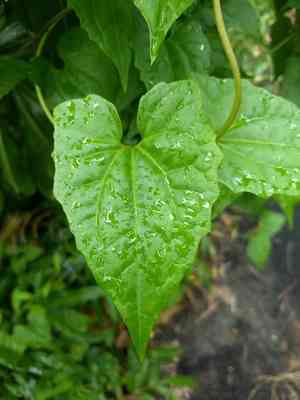
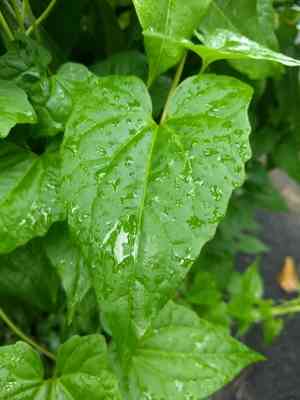
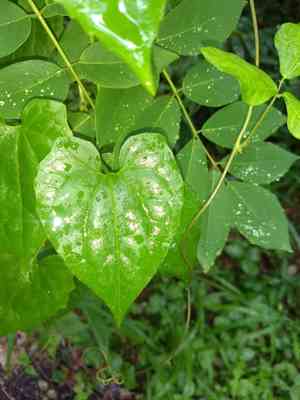
Identifying Mikania micrantha involves looking for a climbing vine with opposite, triangular or heart-shaped leaves. The leaves are typically 4-13 cm long and 3-9 cm wide, with a pronounced network of veins. The plant produces small, white to greenish flowers in clusters.
Scientific Classification of Mile-a-minute
Phylum
Vascular plants
Class
Dicotyledons
Order
Asterales
Family
Daisy
Genus
Mikania
Species
Mile-a-minute
Planting and Growing of Mile-a-minute
Care Difficulty
Easy
Watering Schedule
Every 8 days
Sunlight Requirements
Partial sun
Sunshine Duration
6-10 hours
Ideal Temperature
68-77℉
Soil Type
Potting Mix, Peat Mix
Soil pH
6-8
Fertilizer Type
Balanced
Pruning Season
Spring, Summer
Pruning Area
Branches, Leaves
Pruning Frequency
2 times a year
Repotting Season
Spring
Pot Type
Plastic, Terracotta
 How to Water Mile-a-minute?
When watering Mikania micrantha, aim for about 500 ml per session. This plant prefers the soil to remain consistently moist but not waterlogged, so water until it starts to drain out of the bottom of the pot. The goal is to ensure that the moisture reaches the deeper roots while avoiding standing water that can lead to root rot.
What are the symptoms of an underwatered Mile-a-minute?
›
What should I do if my Mile-a-minute is not getting enough water?
›
What are the symptoms of an overwatered Mile-a-minute?
›
How to save an overwatered Mile-a-minute?
›
 What Are the Sunlight Requirements for Mile-a-minute?
Partial sun to full sun. Ideal light ensures Mikania micrantha maintains healthy growth patterns and robust foliage development.
What is the ideal light condition for Mikania micrantha?
›
How can you ensure Mikania micrantha gets the ideal light exposure?
›
What benefits does proper lighting provide to Mikania micrantha?
›
 What Is the Ideal Temperature Range for Mile-a-minute?
The ideal temperature range for Mikania micrantha is between 68°F and 77°F. This range is optimal for its growth, allowing it to thrive and develop properly. This plant prefers warm and humid environments, similar to its native tropical regions.
 What Soil is Best for Mile-a-minute?
Mikania micrantha thrives in soil that retains moisture well. This is crucial because it ensures that the plant has a consistent supply of water, preventing tip wilting and enhancing its lush growth. Nutrient-rich soil is pivotal for the vigorous growth of Mikania micrantha. A loamy soil enriched with organic matter provides the essential nutrients needed for optimal foliage development. While moisture retention is important, Mikania micrantha also needs soil that drains well to prevent waterlogging. Excessive water accumulation can lead to root rot, so a balance is key.
 How to Fertilize Mile-a-minute?
When fertilizing Mikania micrantha, use a balanced liquid fertilizer diluted to half its strength. Typically, 10 to 15 milliliters per liter of water is sufficient for optimal growth. This approach prevents root burn and nutrient imbalance, promoting healthy and abundant foliage.
 How to Prune Mile-a-minute?
Examine the Mikania micrantha for areas where the vine is growing uncontrollably or covering other plants. Mark these areas for cutting to ensure you tackle the most problematic sections first. Pruning in these areas will help maintain a balance in your garden. Trim back excess growth by cutting at a node where leaves are growing. This will encourage the plant to produce new shoots and improve ventilation around the plant. Avoid cutting too close to the base of the stem to prevent damage to the main plant. Gather all the clippings and dispose of them properly, ideally by bagging them and removing them from your property. Mikania micrantha can regrow from small stem fragments, so removal prevents unintended propagation.
 How to Propagate Mile-a-minute plant?
1
Harvest seeds from mature Mikania micrantha plants in the autumn. Ensure that they are dry and free from any signs of disease or decay before storage or planting.
2
Select healthy stems and cut below a node. Remove lower leaves, leaving a few at the top. This reduces water loss and supports successful rooting.
3
Use a well-aerated mix for planting seeds or cuttings. Place them in conditions with adequate sunlight and humidity. Ensure the soil remains moist but not waterlogged to encourage growth.
 How to Repot Mile-a-minute plant?
1
You should consider repotting Mikania micrantha when you notice roots circling the pot or emerging from the drainage holes. Rapid drying of the soil is also a good indicator. Spring and early summer are ideal times as the plant is actively growing, ensuring a smoother transition and recovery.
2
Select a pot that is 1-2 inches larger in diameter than the current one. Ensure it has adequate drainage holes to prevent waterlogging. A slightly larger pot provides more room for root expansion without overwhelming the plant, ensuring healthy growth and minimizing shock.
3
Opt for a well-draining potting mix, ideally one with a mix of peat, perlite, and sand. Such a mix prevents water retention, which can lead to root rot. This ensures that the roots get the right balance of moisture and aeration, promoting robust growth.
Learn More About Mile-a-minute Diseases
Anthracnose
Bacterial Leaf Spot
Bacterial Wilt
Chemical Injury
Cyst Nematode
Damping-off
Downy Mildew
Drought Stress
Fusarium Wilt
Gray Mold
Leaf Curl
Leaf Spot
Mosaic
Nutrient Deficiency
Nutrient Toxicity
Powdery Mildew
Root Rot
Root-knot Nematode
Rusts
Sooty Mold
Spider Mites
Temperature Stress
Thrips Damage
White Mold



