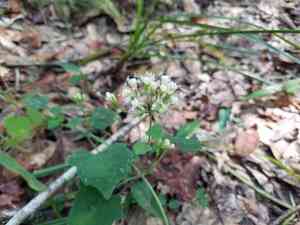
Florida keys hempvine (Mikania cordifolia)
Also known as: Climbing Hempweed
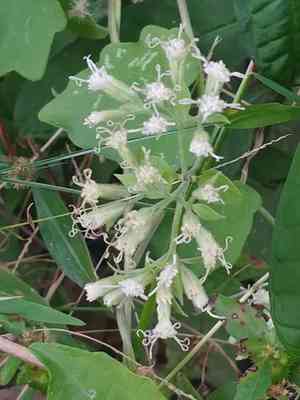
The Florida Keys hempvine (*Mikania cordifolia*) is a perennial climber notable for its heart-shaped leaves and intertwined stems. It flourishes in tropical forest settings, often using surrounding vegetation for support to reach sunlight. The plant produces clusters of small, tubular flowers that are typically white or pale pink, making it stand out among the green foliage.
In This Article
Attributes of Florida keys hempvine
Lifespan
Perennial
Plant Type
Herb, Vine
Plant Height
3.5 m to 22 m
Spread
Variable depending on the extent of spreading and available support
Leaf Color
Green
Flower Size
Approximately 0.5 to 1 cm
Flower Color
White to pinkish
Images of Florida keys hempvine
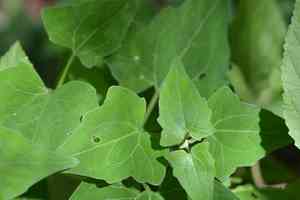
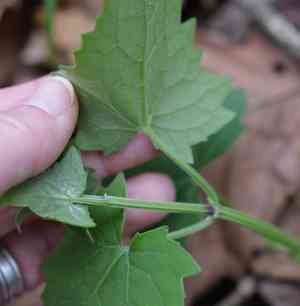
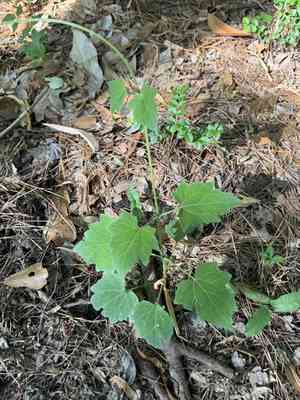
Quickly Identify Florida keys hempvine
1
Identified by its heart-shaped leaves and small, white to pinkish flowers. The plant often possesses a twining stem which helps it climb and cover surrounding vegetation.
Scientific Classification of Florida keys hempvine
Phylum
Vascular plants
Class
Dicotyledons
Order
Asterales
Family
Daisy
Genus
Mikania
Species
Florida keys hempvine
Planting and Growing of Florida keys hempvine
Care Difficulty
Easy
Watering Schedule
Every 3 days
Sunlight Requirements
Full sun
Sunshine Duration
4-6 hours
Ideal Temperature
65-75℉
Soil Type
Potting Mix, Peat Mix
Soil pH
5.5-7
Fertilizer Type
Balanced
Pruning Season
Spring, Summer
Pruning Area
Branches, Leaves
Pruning Frequency
2 times a year
Repotting Season
Spring
Pot Type
Plastic, Ceramic
 How to Water Florida keys hempvine?
For Mikania cordifolia, the watering amount is crucial to maintain its health. Ensure to water until the soil is consistently moist, approximately 200 milliliters per session, enough to permeate the soil without causing waterlogging.
What are the symptoms of an underwatered Florida keys hempvine?
›
What should I do if my Florida keys hempvine is not getting enough water?
›
What are the symptoms of an overwatered Florida keys hempvine?
›
How to save an overwatered Florida keys hempvine?
›
 What Are the Sunlight Requirements for Florida keys hempvine?
Partial to full sun exposure, emphasizing morning and filtered afternoon light, fosters optimal growth for Mikania cordifolia, benefiting its leaf coloration and overall health.
What is the best lighting environment for Mikania cordifolia?
›
How can I ensure the plant receives optimal light levels?
›
What benefits arise from ensuring ideal lighting for this plant?
›
 What Is the Ideal Temperature Range for Florida keys hempvine?
The ideal temperature range for Mikania cordifolia lies between 65 and 75 degrees Fahrenheit. This range allows the plant to thrive and grow optimally. Providing a stable environment within this temperature ensures healthy foliage and supports its growth cycle effectively.
 What Soil is Best for Florida keys hempvine?
Mikania cordifolia thrives best in well-draining soil to prevent waterlogging, which can lead to root rot. Ensuring the soil has good drainage will keep the plant healthy and encourage robust growth. This plant benefits from a nutrient-rich environment, which can be provided by organic matter, such as compost or well-rotted manure, to support its vigorous growth and vibrant foliage. While Mikania cordifolia prefers well-draining soil, maintaining a moderate level of soil moisture is essential for its lush foliage. Mulching can help retain moisture while preventing weed growth.
 How to Fertilize Florida keys hempvine?
For Mikania cordifolia, it's important to provide a balanced fertilizer, using about 1/4 teaspoon of liquid fertilizer per gallon of water during the growing season. This promotes lush foliage and healthy growth while avoiding any potential nutrient burn.
 How to Prune Florida keys hempvine?
Start by removing any dead, damaged, or diseased stems. Focus on trimming back long vines to encourage bushier growth. Use clean, sharp shears and cut just above a leaf node to stimulate new growth in a desired direction. Identify stems that are too long or disrupt the desired shape of the plant. Trim these back to maintain a compact growth habit. Regularly monitor the plant to ensure it maintains an aesthetically pleasing shape, which can enhance its ornamental value.
 How to Propagate Florida keys hempvine plant?
1
Choose healthy, non-flowering stems from the parent plant. Cuttings should be about 4-6 inches long, with a few leaves at the top. Remove the lower leaves to prevent rot when placed in soil.
2
Prepare a well-draining potting mix to plant your cuttings. A mix containing equal parts of peat and perlite is ideal for promoting root growth and preventing waterlogging.
3
Dip the cut end of the stem in rooting hormone, then plant about 2 inches deep into the prepared soil. Gently press the soil around the cutting to ensure contact and stability.
 How to Repot Florida keys hempvine plant?
1
Mikania cordifolia shows signs of needing repotting when its roots begin to circle the pot, emerging through the drainage holes. Stunted growth or water draining too quickly could also indicate it's time for a new home, preferably in Spring or Summer for optimal acclimatization.
2
Select a pot that is one or two sizes larger than the current one to allow room for growth. Ensure it has good drainage to prevent waterlogging, which can lead to root rot. Terracotta pots are excellent choices as they allow air circulation to the roots.
3
Opt for a well-draining potting mix rich in organic matter. A blend with perlite or sand is ideal, promoting root health by preventing compacted soil. Such soil conditions enhance drainage, oxygen availability, and help prevent water-related diseases.
Learn More About Florida keys hempvine Diseases
Anthracnose
Bacterial Leaf Spot
Bacterial Wilt
Chemical Injury
Damping-off
Downy Mildew
Drought Stress
Fusarium Wilt
Gray Mold
Leaf Curl
Leaf Spot
Mosaic
Nutrient Deficiency
Nutrient Toxicity
Powdery Mildew
Root Rot
Root-knot Nematode
Rusts
Sooty Mold
Spider Mites
Temperature Stress
Thrips Damage
White Mold



