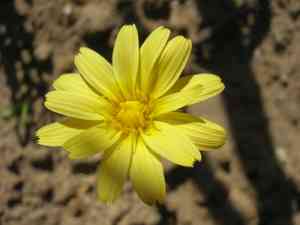
Yam daisy (Microseris) (Microseris)
Also known as: Silverpuffs, Coast Microseris
Microseris, also known as yam daisy, is a genus of plants within the dandelion tribe of the sunflower family. It is native to regions including North America, Australia, and New Zealand.
In This Article
Attributes of Yam daisy (Microseris)
Lifespan
Annual, Biennial
Plant Height
10-60 cm
Spread
Not applicable
Leaf Color
Green
Flower Size
2-5 cm
Flower Color
Yellow
Images of Yam daisy (Microseris)
Quickly Identify Yam daisy (Microseris)
1
Microseris plants can be identified by their basal rosette of leaves that are often lobed or toothed. The bright yellow dandelion-like flowers are another distinguishing feature, with flower heads composed of numerous tiny florets.
Scientific Classification of Yam daisy (Microseris)
Phylum
Magnoliophyta
Class
Magnoliopsida
Order
Asterales
Family
Asteraceae
Genus
Microseris
Planting and Growing of Yam daisy (Microseris)
Care Difficulty
Moderate
Watering Schedule
Every 2 days
Sunlight Requirements
Partial sun
Sunshine Duration
4-8 hours
Ideal Temperature
60-75℉
Soil Type
Potting Mix, Peat Mix
Soil pH
6.5-7.5
Fertilizer Type
Balanced
Pruning Season
Spring, Summer
Pruning Area
Branches, Leaves
Pruning Frequency
2 times a year
Repotting Season
Spring
Pot Type
Plastic, Ceramic
 How to Water Yam daisy (Microseris)?
For Microseris, it's essential to water just enough to keep the soil slightly moist but never waterlogged. About 200ml at a time is generally sufficient to reach this balance without over-saturating the roots.
What are the symptoms of an underwatered Yam daisy (Microseris)?
›
What should I do if my Yam daisy (Microseris) is not getting enough water?
›
What are the symptoms of an overwatered Yam daisy (Microseris)?
›
How to save an overwatered Yam daisy (Microseris)?
›
 What Are the Sunlight Requirements for Yam daisy (Microseris)?
Microseris flourishes best under partial sun, which allows it to receive moderate light exposure for healthy photosynthesis and blooming. Ideal light ensures vibrant growth, maintaining plant vigor.
Ideal Light Intensity
›
Solution for Optimal Light
›
Benefits of Ideal Light
›
 What Is the Ideal Temperature Range for Yam daisy (Microseris)?
The ideal temperature range for Microseris typically falls between 60°F and 75°F. This range is optimal for maintaining healthy plant growth and ensuring the right level of metabolic activities. A stable environment within this range encourages proper root development and flowering.
 What Soil is Best for Yam daisy (Microseris)?
Microseris thrives in well-drained soil, preventing root rot and ensuring optimal nutrient uptake. Proper drainage allows the roots to breathe and promotes vigorous growth, making well-drained soil a fundamental requirement. Microseris prefers moderately fertile soil, offering adequate nutrients without overwhelming the plant. Balanced fertility supports healthy foliage and robust flower production, enhancing the overall vitality and appearance of the plant. While Microseris benefits from soil that retains some moisture, it should not be excessively wet. The right moisture balance maintains turgor pressure in plant cells, which is crucial for structural integrity and resistance to wilting.
 How to Fertilize Yam daisy (Microseris)?
Microseris plants thrive with minimal fertilizer. For liquid fertilizer, use a diluted solution at a quarter-strength recommended for most plants. This ensures that the delicate roots absorb nutrients efficiently without risk of burn.
 How to Prune Yam daisy (Microseris)?
Begin by examining the Microseris plant for any dead or dying flowers or leaves, removing these first to improve the plant’s overall health and appearance. Next, shape the plant by cutting back any excessively long stems or branches, making the cut just above a healthy bud to encourage new growth in the desired direction. For best results, prune the plant to maintain an open center, allowing light and air to reach the innermost parts, promoting uniform growth.
 How to Propagate Yam daisy (Microseris) plant?
1
Gently sow the seeds into the seed tray filled with a well-draining soil mix. Cover them lightly with soil and mist them with water. Ensure they receive indirect sunlight and keep the soil consistently moist for successful germination.
2
Select a healthy, non-flowering stem and cut a 10-15 cm section with a node. Remove the lower leaves, leaving a few at the top. Dip the cut end in rooting hormone to encourage root growth, and plant it in moist, well-draining soil.
3
Carefully dig up the entire plant, ensuring all root material is brought up. Separate the clump into smaller sections with roots attached, using a clean knife. Replant each section in a new location, water thoroughly, and maintain adequate drainage.
 How to Repot Yam daisy (Microseris) plant?
1
Microseris plants need repotting when roots become visible through the drainage holes or the plant appears root-bound. This typically happens every two to three years. Spring or autumn is the best time as the plant is actively growing, ensuring it can quickly adjust to its new home. Look for signs like slowed growth, wilting despite proper care, and water passing through the pot too quickly.
2
Select a pot one size larger than the current one. Ensure that the pot has good drainage holes to prevent waterlogging. Material is important; ceramic or terracotta is great for better aeration, while plastic pots retain moisture better, which might be beneficial if you live in a dry climate. Adequate drainage and a slightly larger space help the plant establish new roots, promoting healthier growth.
3
Opt for a well-draining potting mix to prevent root rot, which is common in waterlogged soils. A mix containing peat, perlite, and sand offers excellent drainage and retains enough moisture for the roots to absorb. Good soil ensures that nutrients are readily available to the plant while allowing surplus water to escape, promoting a robust root system.
Learn More About Yam daisy (Microseris) Diseases
Anthracnose
Bacterial Leaf Spot
Bacterial Wilt
Crown Gall
Cyst Nematode
Damping-off
Downy Mildew
Drought Stress
Fusarium Wilt
Gray Mold
Leaf Curl
Leaf Spot
Mosaic
Nutrient Deficiency
Nutrient Toxicity
Powdery Mildew
Root Rot
Root-knot Nematode
Rusts
Sooty Mold
Spider Mites
Temperature Stress
Thrips Damage
White Mold

