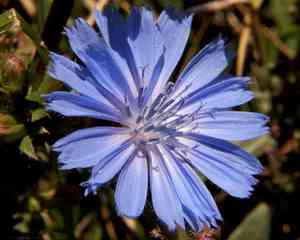
Cutleaf silverpuffs (Microseris laciniata)
Also known as: Cut-leaf Silverpuffs
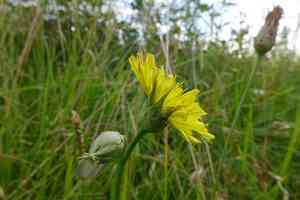
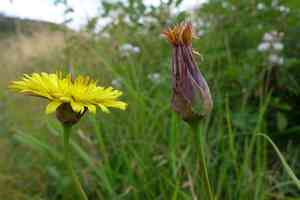
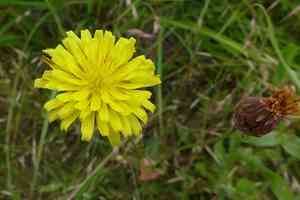
Cutleaf silverpuffs (Uropappus lindleyi) is a resilient perennial herb characterized by its deeply lobed, fern-like leaves that form a basal rosette. This unique leaf structure helps the plant conserve moisture and thrive in open grasslands and meadows. In the spring, it sends up tall, slender stems crowned with bright yellow, dandelion-like flowers, which are designed to attract a variety of pollinators. The plant's deep taproot is a crucial adaptation, enabling it to access water from deep underground and withstand drought conditions, ensuring its survival across different climates.
In This Article
Attributes of Cutleaf silverpuffs
Lifespan
Perennial
Plant Type
Herb
Plant Height
30 cm to 61 cm
Spread
Not typically measured for herbaceous plants
Leaf Color
Green
Flower Size
2-4 cm
Flower Color
Yellow
Images of Cutleaf silverpuffs
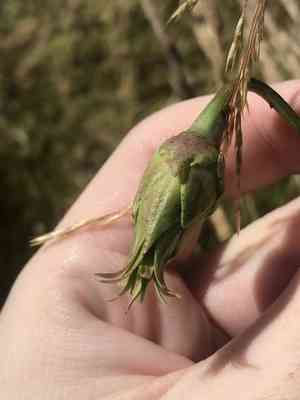
Quickly Identify Cutleaf silverpuffs
1
To identify Microseris laciniata, look for its deeply lobed leaves and bright yellow flowers. The plant typically has a rosette of basal leaves and a single, unbranched flowering stem.
Scientific Classification of Cutleaf silverpuffs
Phylum
Vascular plants
Class
Dicotyledons
Order
Asterales
Family
Daisy
Genus
Yam daisy
Species
Cutleaf silverpuffs
Planting and Growing of Cutleaf silverpuffs
Care Difficulty
Moderate
Watering Schedule
Every 4 days
Sunlight Requirements
Partial sun
Sunshine Duration
4-8 hours
Ideal Temperature
60-75℉
Soil Type
Potting Mix, Peat Mix
Soil pH
6.5-7.5
Fertilizer Type
Balanced
Pruning Season
Spring, Summer
Pruning Area
Branches, Leaves
Pruning Frequency
Once a year
Repotting Season
Spring
Pot Type
Plastic, Ceramic
 How to Water Cutleaf silverpuffs?
Microseris laciniata thrives with a moderate watering schedule. It's essential to water this plant until the top 2 inches of soil are thoroughly moist but not waterlogged. A good rule is to ensure the soil remains slightly damp, reminiscent of a well-wrung sponge.
What are the symptoms of an underwatered Cutleaf silverpuffs?
›
What should I do if my Cutleaf silverpuffs is not getting enough water?
›
What are the symptoms of an overwatered Cutleaf silverpuffs?
›
How to save an overwatered Cutleaf silverpuffs?
›
 What Are the Sunlight Requirements for Cutleaf silverpuffs?
Microseris laciniata thrives best under partial sun, translating to 4 to 6 hours of light daily. This exposure boosts photosynthetic activity, robust growth, and vibrant, lush foliage.
How much sunlight is ideal for Microseris laciniata?
›
What are the optimal steps to achieve ideal lighting for Microseris laciniata?
›
What benefits will Microseris laciniata obtain from ideal lighting conditions?
›
 What Is the Ideal Temperature Range for Cutleaf silverpuffs?
Microseris laciniata thrives best in temperatures ranging from 60 to 75°F. This range ensures optimal growth and flowering, providing the plant with the necessary warmth without causing heat stress. Consistently maintaining this temperature range supports healthy root development and pest resistance.
 What Soil is Best for Cutleaf silverpuffs?
Microseris laciniata prefers well-drained soil to avoid root rot issues. Ensuring good drainage helps the roots get enough oxygen and prevents waterlogging, which is vital for healthy plant growth. This plant thrives in nutrient-rich loam that sustains its growth and vigor. Adequate nutrients fuel the plant's photosynthesis, promoting lush foliage and strong stems. Though drainage is crucial, retaining some moisture is essential. Sandy loam helps maintain a balanced level of moisture, crucial during dry spells for sustained growth.
 How to Fertilize Cutleaf silverpuffs?
Microseris laciniata requires a delicate balance when it comes to fertilization. These plants thrive with modest amounts of nutrients, therefore, too much can be harmful. A diluted liquid fertilizer at a quarter strength should suffice when applied monthly during the growing season. For slow-release fertilizers, use about a half tablespoon per plant, ensuring it's evenly distributed in the surrounding soil.
 How to Prune Cutleaf silverpuffs?
Microseris laciniata doesn't require heavy pruning. Over-pruning can stress the plant and stunt its growth. Focus on removing only what's necessary to keep the plant healthy and well-shaped. While pruning, watch for signs of disease such as discolored or spotty leaves. Remove any suspect tissue and dispose of them to prevent the spread of pathogens. Regular inspection during pruning helps keep the plant in top health.
More About Pruning Techniques→
 How to Propagate Cutleaf silverpuffs plant?
1
Soak the seeds of Microseris laciniata in lukewarm water for 24 hours before planting. This helps to soften the seed coat and encourages quicker germination.
2
Fill seed trays with moist potting soil and gently press the seeds into the surface. Cover lightly with additional soil or vermiculite and water gently to ensure good seed-to-soil contact.
3
Place the seed trays in a warm, light location with indirect sunlight. Maintain consistent moisture until germination, which typically occurs within 2-4 weeks. Transplant seedlings when they have developed their first true leaves.
 How to Repot Cutleaf silverpuffs plant?
1
Microseris laciniata should be repotted when roots are visibly circling the pot or emerging from drainage holes, which indicates that the plant has outgrown its current container. Another sign includes slowed growth despite adequate watering and feeding. Best times to repot are during active growth periods, hence spring or early summer.
2
Select a pot that is 1 to 2 inches larger in diameter than the current one to provide enough room for root growth. Make sure the pot has sufficient drainage holes to prevent waterlogging, which can lead to root rot. Choosing a clay pot can enhance moisture evaporation, further benefiting the aeration.
3
Choose a well-draining potting mix, ideally one that retains some moisture but allows excess water to escape. A mix containing perlite and peat moss is beneficial as it balances moisture retention and drainage well, ensuring that the roots do not sit in water and are constantly supplied with air.
Learn More About Cutleaf silverpuffs Diseases
Anthracnose
Bacterial Leaf Spot
Bacterial Soft Rot
Bacterial Wilt
Black Spot
Chemical Injury
Cyst Nematode
Damping-off
Downy Mildew
Drought Stress
Fusarium Wilt
Gray Mold
Leaf Spot
Mosaic
Nutrient Deficiency
Nutrient Toxicity
Powdery Mildew
Root Rot
Root-knot Nematode
Rusts
Sooty Mold
Spider Mites
Temperature Stress
Thrips Damage
White Mold



