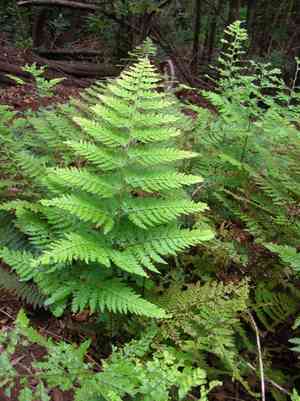
Palapalai (Microlepia) (Microlepia)
Also known as: lace fern
Most species are primarily found in Asia, especially China. Some species are also present in Australia, Africa, the West Indies, Latin America, and various oceanic islands.
In This Article
Attributes of Palapalai (Microlepia)
Lifespan
Perennial
Plant Height
20-100 cm
Spread
30-60 cm
Leaf Color
Green
Flower Size
N/A
Flower Color
N/A
Images of Palapalai (Microlepia)
Quickly Identify Palapalai (Microlepia)
1
Microlepia ferns can be recognized by their lacy, finely divided fronds which often have a delicate, feathery appearance. The fronds grow in a bushy form from a central rhizome.
Scientific Classification of Palapalai (Microlepia)
Phylum
Pteridophyta
Class
Polypodiopsida
Order
Polypodiales
Family
Dennstaedtiaceae
Genus
Microlepia
Planting and Growing of Palapalai (Microlepia)
Care Difficulty
Moderate
Watering Schedule
Every 2 days
Sunlight Requirements
Partial sun
Sunshine Duration
4-8 hours
Ideal Temperature
60-75℉
Soil Type
Potting Mix, Peat Mix
Soil pH
6-7
Fertilizer Type
Balanced
Pruning Season
Spring, Summer
Pruning Area
Branches, Leaves
Pruning Frequency
2 times a year
Repotting Season
Spring
Pot Type
Plastic, Ceramic
 How to Water Palapalai (Microlepia)?
For Microlepia, it's important to water it consistently but not excessively. Each watering session should ideally provide around 250ml of water, ensuring that the soil is adequately moist but not waterlogged. Water until you see a slight amount of water starting to escape from the pot’s drainage holes to ensure even distribution.
What are the symptoms of an underwatered Palapalai (Microlepia)?
›
What should I do if my Palapalai (Microlepia) is not getting enough water?
›
What are the symptoms of an overwatered Palapalai (Microlepia)?
›
How to save an overwatered Palapalai (Microlepia)?
›
 What Are the Sunlight Requirements for Palapalai (Microlepia)?
Microlepia thrives in partial shade to full shade environments. The optimal light conditions promote robust growth, vibrant leaves, and a resilient, healthy plant that is less prone to diseases.
What is the best lighting condition for Microlepia?
›
How can I achieve the ideal lighting condition for this plant?
›
What are the benefits of achieving ideal lighting for Microlepia?
›
 What Is the Ideal Temperature Range for Palapalai (Microlepia)?
The ideal temperature range for cultivating Microlepia is between 60°F and 75°F. Within this temperature range, Microlepia can thrive, exhibiting optimal growth and development. Maintaining these temperatures ensures that the plant's metabolic and physiological processes function without stress. In an environment that maintains this temperature range, Microlepia can achieve its full potential in terms of growth rate and overall health.
 What Soil is Best for Palapalai (Microlepia)?
Microlepia species thrive in well-drained soil, which prevents water from pooling around the roots and causing rot. This promotes healthy root growth and reduces the risk of fungal diseases. While the soil should be well-drained, it also needs to retain moisture. Loam or sandy loam soils are able to hold enough moisture to keep the Microlepia ferns hydrated without becoming waterlogged. A nutrient-rich substrate is critical for Microlepia's vibrant foliage. Such soil supports robust growth and ensures that the plant has access to the nutrients it requires for optimal health and development.
 How to Fertilize Palapalai (Microlepia)?
For Microlepia, it's important to apply fertilizer sparingly. Liquid fertilizers should be diluted to half the recommended strength to avoid root burn. Only use approximately 100-200 ml per application, depending on the plant's size.
 How to Prune Palapalai (Microlepia)?
Begin by examining the Microlepia for any dead or yellowing fronds, as these should be your first targets for removal. Using sterilized scissors or shears, trim these fronds close to the base of the plant to stimulate new growth. In addition, trim any fronds that appear to be overly long or are disrupting the plant's overall shape. This will help maintain the fern's visual appeal and health. For more advanced pruning, focus on thinning out the plant by selectively removing healthy fronds that are densely clustered. This allows light to penetrate through to the center of the plant, promoting an even distribution of growth. Be careful not to remove more than one-third of the plant at any given time, as this could stress the Microlepia and hinder its growth.
 How to Propagate Palapalai (Microlepia) plant?
1
Carefully water the plant a day before division to ensure the soil is soft and workable. Select a healthy, mature plant with numerous fronds and a well-established root system.
2
Gently dig out the entire plant and shake off excess soil to expose the rhizomes. Use shears to cut the rhizomes into sections, making sure each has both roots and shoots.
3
Replant each section in peat-rich soil, ensuring the crown of each division is at soil level. Water thoroughly and place in indirect sunlight until established.
 How to Repot Palapalai (Microlepia) plant?
1
You should consider repotting your Microlepia when you notice that its roots are growing through the drainage holes, the plant looks like it’s outgrowing the pot, or the growth seems to have slowed significantly. These are clear indicators that the plant needs more space and fresh soil to thrive.
2
For Microlepia, selecting a pot with a diameter that is just a couple of inches larger than the current pot is ideal. This encourages healthy growth without risking the waterlogged soil. Terracotta pots are often a good choice as they allow moisture to evaporate, helping prevent root rot.
3
Opt for a well-draining, rich soil mix. A mix designed for ferns, which contain organic humus, works best by providing ample nutrients while ensuring that water drains efficiently. This prevents waterlogging, which is crucial for the health of the roots.
Learn More About Palapalai (Microlepia) Diseases
Anthracnose
Bacterial Leaf Spot
Bacterial Soft Rot
Chemical Injury
Damping-off
Downy Mildew
Drought Stress
Fusarium Wilt
Gray Mold
Leaf Spot
Mosaic
Nutrient Deficiency
Nutrient Toxicity
Powdery Mildew
Root Rot
Root-knot Nematode
Rusts
Sooty Mold
Spider Mites
Temperature Stress
Thrips Damage
White Mold

