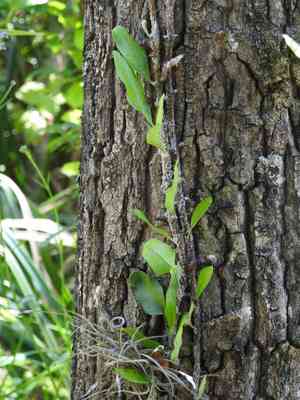
Snakeferns (Microgramma) (Microgramma)
Also known as: narrow-leaved ironclad fern, chain fern
Microgramma is a genus of ferns in the family Polypodiaceae, primarily found in tropical regions. These creeping or climbing ferns often grow on trees, rocks, or other surfaces.
In This Article
Attributes of Snakeferns (Microgramma)
Lifespan
Perennial
Plant Height
0.1 - 0.5 meters
Spread
N/A
Leaf Color
Green
Flower Size
N/A
Flower Color
N/A
Images of Snakeferns (Microgramma)
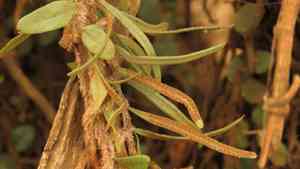
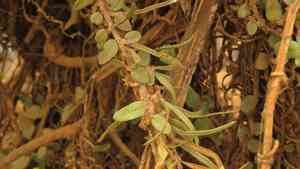
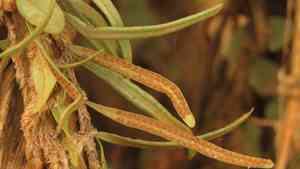
Quickly Identify Snakeferns (Microgramma)
1
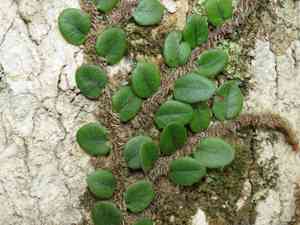
Microgramma can be identified by its small, round to oval leaves, which are typically thick and leathery. The fronds usually have a creeping or climbing habit, and the sporangia are often arranged in sori on the underside of the leaves.
Scientific Classification of Snakeferns (Microgramma)
Phylum
Pteridophyta
Class
Polypodiopsida
Order
Polypodiales
Family
Polypodiaceae
Genus
Microgramma
Planting and Growing of Snakeferns (Microgramma)
Care Difficulty
Moderate
Watering Schedule
Every 2 days
Sunlight Requirements
Partial sun
Sunshine Duration
6-10 hours
Ideal Temperature
65-75℉
Soil Type
Potting Mix, Peat Mix
Soil pH
6-7
Fertilizer Type
Balanced
Pruning Season
Spring, Summer
Pruning Area
Leaves, Branches
Pruning Frequency
2 times a year
Repotting Season
Spring
Pot Type
Plastic, Ceramic
 How to Water Snakeferns (Microgramma)?
Microgramma is an epiphytic fern, which means it doesn't require heavy watering. The goal is to keep the substrate slightly moist but not waterlogged. Watering should be thorough enough to allow about 150 ml to pass through the potting medium, ensuring each part of the root system gets hydrated without excessive dampness.
What are the symptoms of an underwatered Snakeferns (Microgramma)?
›
What should I do if my Snakeferns (Microgramma) is not getting enough water?
›
What are the symptoms of an overwatered Snakeferns (Microgramma)?
›
How to save an overwatered Snakeferns (Microgramma)?
›
 What Are the Sunlight Requirements for Snakeferns (Microgramma)?
Microgramma thrives with partial sun to full shade conditions. Ideal lighting ensures balanced growth, vibrant foliage, and improved resilience against environmental stressors, maintaining plant health and aesthetics.
Question 1: What is the best place for this plant?
›
Question 2: How can I optimize lighting conditions?
›
Question 3: What are the benefits of ideal lighting?
›
 What Is the Ideal Temperature Range for Snakeferns (Microgramma)?
The ideal temperature range for Microgramma is between 65°F and 75°F. Within this range, the plant is able to engage in optimal growth and development, ensuring healthy foliage and vibrant appearance. It is essential to maintain this range by using proper environmental controls, especially in regions where temperature fluctuations are common.
 What Soil is Best for Snakeferns (Microgramma)?
Microgramma thrives in well-draining soils that prevent waterlogging. This ensures that the roots get adequate oxygen and avoid diseases like root rot, promoting robust plant growth. Moderate fertility provides Microgramma with essential nutrients for growth without overwhelming it. Balanced nutrient supply supports healthy foliage and overall vitality. Soils with medium moisture retention are ideal for Microgramma as they keep the plant hydrated without excess water. This balance helps maintain turgor pressure and plant health.
 How to Fertilize Snakeferns (Microgramma)?
For Microgramma, it's essential to apply a balanced fertilizer at half strength to ensure healthy growth without overwhelming the plant. Use approximately 1/4 teaspoon per gallon of water, and ensure even distribution across the soil to maximize nutrient absorption.
 How to Prune Snakeferns (Microgramma)?
Avoid pruning in autumn and winter as the plant is focusing its energy on survival rather than growth, making spring and summer the optimal times for pruning. Avoid heavy pruning sessions, as Microgramma ferns are sensitive, and excessive pruning can stress the plant. Aim to remove no more than 1/4 of the plant's foliage at once.
 How to Propagate Snakeferns (Microgramma) plant?
1
Begin by preparing a well-draining potting mix, combining sterile compost with perlite for optimal aeration and moisture retention. Ensure the soil is loosened and free of large clumps.
2
Select a healthy stem section, around 4-6 inches long, and use sterilized tools to cut just below a node. Make sure the cut is clean to prevent damage to the plant tissue.
3
If propagating by seeds, plant them approximately 1/4 inch into the prepared soil, and lightly cover them with soil. Water gently to settle the seeds into place without compacting the soil.
 How to Repot Snakeferns (Microgramma) plant?
1
You should consider repotting Microgramma when you notice roots growing out of the drainage holes or the plant appears stunted. Another signal is if the soil remains waterlogged for too long, indicating poor drainage. Repotting in the early growing seasons ensures reduced stress to the plant.
2
Choose a pot that is one size larger than the current one. It should have adequate drainage holes to prevent water retention that could lead to root rot. The right-sized pot encourages healthy root spread and allows ample space for new growth. Clay pots are a good option as they are porous and help in moisture regulation.
3
Select a well-draining potting mix that replicates forest floor conditions, mixing peat, bark, and perlite for aeration. This type of soil allows adequate root respiration and prevents the roots from being submerged in water, thus simulating the plant’s natural habitat.
Learn More About Snakeferns (Microgramma) Diseases
Anthracnose
Bacterial Leaf Spot
Bacterial Soft Rot
Black Spot
Chemical Injury
Damping-off
Drought Stress
Fusarium Wilt
Gray Mold
Leaf Curl
Leaf Spot
Mosaic
Nutrient Deficiency
Nutrient Toxicity
Powdery Mildew
Root Rot
Root-knot Nematode
Rusts
Sooty Mold
Spider Mites
Temperature Stress
Thrips Damage
White Mold

