
Early Saxifrage (Micranthes virginiensis)
Also known as: Early Small Flowered Saxifrage, Everlasting
Early Saxifrage (Micranthes virginiensis) is an herbaceous perennial known for its spring to summer blooms, featuring clusters of white flowers. Post-bloom, it produces a capsule fruit, green to purple in color, containing many small seeds. This plant typically thrives along stream banks and rocky slopes.
In This Article
Attributes of Early Saxifrage
Lifespan
Perennial
Plant Type
Herb
Plant Height
10 cm to 30 cm
Spread
10 cm to 20 cm
Leaf Color
Green
Flower Size
2.5 cm to 8 cm
Flower Color
White
Images of Early Saxifrage
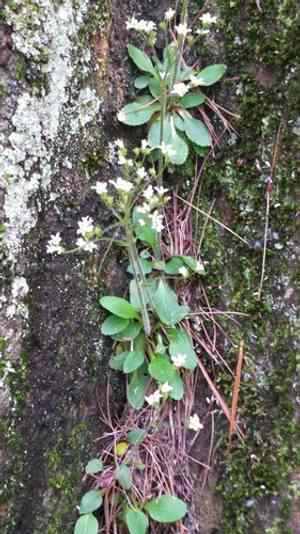
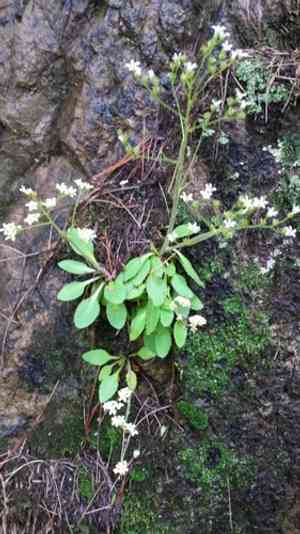
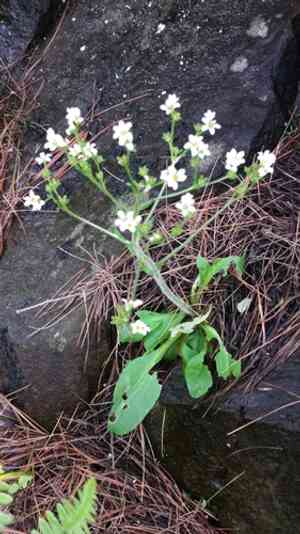
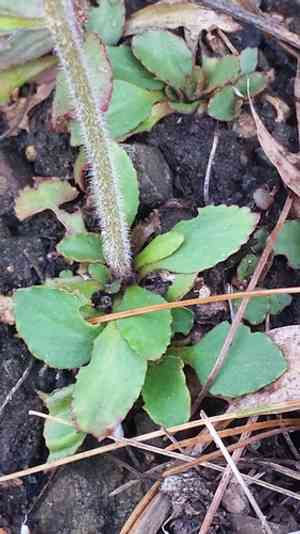
Quickly Identify Early Saxifrage
1
Basal rosette of toothed, spatula-shaped leaves, 2-6 inches (5-15 cm) long.
2
Clusters of delicate white flowers with 5 sharp petals and yellow stamens.
3
Sticky stems, hairy and slender, 4-12 inches (10-30 cm) tall.
4
Fruit transitions from green to purple, housing numerous small seeds.
5
Distinct maroon underside and hairy margin on 2-4 inches (5-10 cm) leaves.
Scientific Classification of Early Saxifrage
Phylum
Vascular plants
Class
Dicotyledons
Order
Saxifragales
Family
Saxifrage
Genus
Micranthes
Species
Early Saxifrage
Planting and Growing of Early Saxifrage
Care Difficulty
Easy
Watering Schedule
Every 4 days
Sunlight Requirements
Partial sun
Sunshine Duration
4-8 hours
Ideal Temperature
60-75℉
Soil Type
Potting Mix, Peat Mix
Soil pH
5.5-7.5
Fertilizer Type
Balanced
Pruning Season
Spring, Summer
Pruning Area
Branches, Leaves
Pruning Frequency
2 times a year
Repotting Season
Spring
Pot Type
Plastic, Ceramic
 How to Water Early Saxifrage?
Micranthes virginiensis prefers soil that is consistently moist but never waterlogged. Each watering session should involve approximately 250 ml of water, ensuring that the water percolates down to the plant's root zone without pooling at the surface. The soil should feel slightly damp to the touch without becoming muddy.
What are the symptoms of an underwatered Early Saxifrage?
›
What should I do if my Early Saxifrage is not getting enough water?
›
What are the symptoms of an overwatered Early Saxifrage?
›
How to save an overwatered Early Saxifrage?
›
 What Are the Sunlight Requirements for Early Saxifrage?
Micranthes virginiensis prefers partial sun to full shade, with dappled light being ideal. Such conditions foster resilient growth, fuller foliage, and a balanced energy for flowering and photosynthesis.
More About Sunlight Requirements Techniques→
What is the best location?
›
How to complement sunlight?
›
What benefits from ideal lighting?
›
 What Is the Ideal Temperature Range for Early Saxifrage?
For Micranthes virginiensis, maintaining a stable environment within 60 to 75°F is crucial for its optimal growth. This temperature range mimics its native conditions, often found in temperate, cool climates. Within this range, enzymatic activities are at their peak, facilitating efficient metabolic processes. Ensuring consistent temperatures within these parameters will help in lush development and blooming cycles.
 What Soil is Best for Early Saxifrage?
Micranthes virginiensis thrives in well-drained soil, preventing waterlogging that could cause root rot. This type of soil ensures that roots receive ample oxygen, promoting healthy growth. This plant prefers moderate moisture levels in the soil, as it supports robust plant structures and lush foliage while avoiding dehydration that could lead to wilting. A nutrient-rich soil boosts the plant's vitality, enhances flowering, and promotes disease resistance. It ensures Micranthes virginiensis obtains necessary nutrients to maintain its attractive appearance.
 How to Fertilize Early Saxifrage?
Micranthes virginiensis benefits from balanced fertilization. Use a quarter to half strength balanced liquid fertilizer. For solid fertilizers, a slow-release granular type is optimal, typically at a rate of about 1-2 tablespoons per plant.
 How to Prune Early Saxifrage?
Begin pruning Micranthes virginiensis by examining the plant for dead or yellowed leaves. Using sharp, sterilized scissors or pruning shears, carefully trim these leaves at their base to encourage healthy growth. Focus on maintaining the plant's natural rosette shape by only removing foliage that is damaged or overly dense. If flowering, be sure to deadhead spent blooms promptly to promote a second bloom period and enhance the plant's overall appearance. Always take care to not damage new growth around the plant’s center.
More About Pruning Techniques→
 How to Propagate Early Saxifrage plant?
1
Fill a seed tray with a well-draining potting mix and scatter the seeds on top, lightly covering them with soil. Water gently using a fine sprayer to avoid displacing the seeds.
2
Place the tray in a location with indirect sunlight and maintain a consistent moisture level. Monitor the seeds for germination, which usually occurs within a few weeks.
3
For propagation by division, carefully dig up the plant in early spring and separate the root clumps. Replant each section in well-prepared soil, ensuring the crown is level with the surface.
 How to Repot Early Saxifrage plant?
1
Micranthes virginiensis typically signals its need for repotting when its roots begin to outgrow the current pot, noticeably protruding from drainage holes or the soil surface. Another sign is if its growth has stagnated or appears unhealthy despite adequate care. Repotting during the growing seasons of spring and summer is ideal, allowing the plant to become established in its new home with the optimal resources for growth.
2
Select a pot that is only slightly larger than the current one, ideally 1-2 inches wider in diameter. A pot too large could result in soil that retains moisture excessively, risking root rot. Ensure the pot has sufficient drainage holes to prevent waterlogging, which is crucial for the healthy development of Micranthes virginiensis.
3
Opt for a soil mix that is rich in organic matter yet well-draining. A combination of peat moss, perlite, and pine bark can prove beneficial. Such soil promotes root aeration while retaining necessary moisture, mimicking the plant's natural environment, and thereby supporting vigorous growth.
Learn More About Early Saxifrage Diseases
Anthracnose
Bacterial Leaf Spot
Bacterial Soft Rot
Chemical Injury
Crown Gall
Damping-off
Downy Mildew
Drought Stress
Fusarium Wilt
Gray Mold
Leaf Spot
Mosaic
Nutrient Deficiency
Nutrient Toxicity
Powdery Mildew
Root Rot
Root-knot Nematode
Rusts
Sooty Mold
Spider Mites
Temperature Stress
Thrips Damage
White Mold



