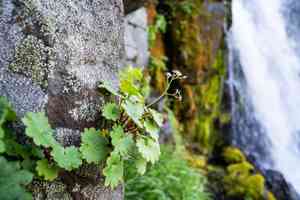
Queen charlotte islands saxifrage (Micranthes nelsoniana)
Also known as: Heartleaf saxifrage
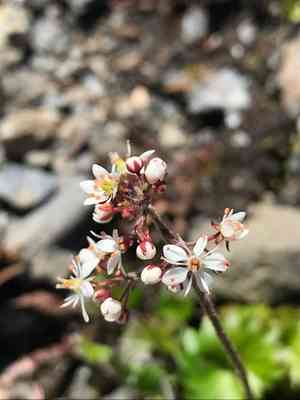
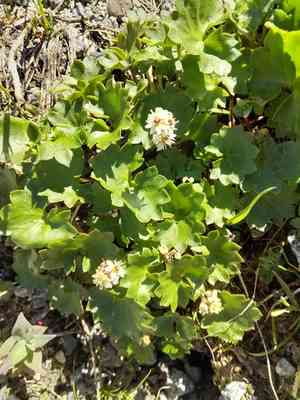
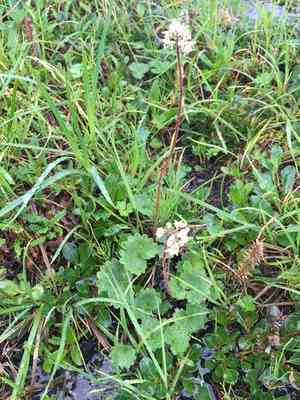
Queen Charlotte Islands saxifrage stands out with its star-shaped white flowers that bloom on tall, leafless stems. Its foliage forms a rosette of toothed, oval leaves at the base. This hardy perennial thrives in moist, rocky alpine and subalpine areas, making it well-suited to the challenging conditions of high elevations. It prefers well-drained, acidic soils and flourishes in partial to full sunlight.
In This Article
Attributes of Queen charlotte islands saxifrage
Lifespan
Perennial
Plant Type
Herb
Plant Height
10-30 cm
Spread
25-40 cm
Leaf Color
Green
Flower Size
0.5-1 cm
Flower Color
White, Pink
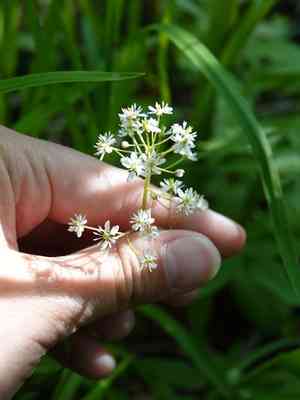
Images of Queen charlotte islands saxifrage
Quickly Identify Queen charlotte islands saxifrage
1
Identify Micranthes nelsoniana by its rosette formation of basal leaves, serrated leaf margins, and small white to pink flowers on a slender stem. The plant often grows in rocky, moist environments.
Scientific Classification of Queen charlotte islands saxifrage
Phylum
Vascular plants
Class
Dicotyledons
Order
Saxifragales
Family
Saxifrage
Genus
Micranthes
Species
Queen charlotte islands saxifrage
Planting and Growing of Queen charlotte islands saxifrage
Care Difficulty
Moderate
Watering Schedule
Every 3 days
Sunlight Requirements
Partial sun
Sunshine Duration
6-10 hours
Ideal Temperature
50-68℉
Soil Type
Potting Mix, Peat Mix
Soil pH
6.5-7.5
Fertilizer Type
Balanced
Pruning Season
Spring, Summer
Pruning Area
Branches, Leaves
Pruning Frequency
2 times a year
Repotting Season
Spring
Pot Type
Plastic, Ceramic
 How to Water Queen charlotte islands saxifrage?
The amount of water needed for Micranthes nelsoniana should be about 250 milliliters per session. This quantity ensures that the soil is thoroughly moistened but not oversaturated. Water evenly until the top inch of soil feels moist to the touch and any excess water drains away.
What are the symptoms of an underwatered Queen charlotte islands saxifrage?
›
What should I do if my Queen charlotte islands saxifrage is not getting enough water?
›
What are the symptoms of an overwatered Queen charlotte islands saxifrage?
›
How to save an overwatered Queen charlotte islands saxifrage?
›
 What Are the Sunlight Requirements for Queen charlotte islands saxifrage?
This plant thrives best in partial sun to full shade environments. Receiving filtered sunlight for a few hours ensures its foliage remains lush, preventing stress while promoting healthy growth and more effective flowering cycles.
How much sunlight does Micranthes nelsoniana need?
›
What solutions are there for achieving this ideal light exposure?
›
What are the benefits of optimal light exposure for Micranthes nelsoniana?
›
 What Is the Ideal Temperature Range for Queen charlotte islands saxifrage?
Micranthes nelsoniana thrives best within a temperature range of 50 to 68°F, providing optimal conditions for growth. These temperatures are typical of cool, shaded environments that mimic the plant's natural habitat. Maintaining this range ensures robust growth and minimizes stress. The consistent warmth during the day encourages metabolic processes, while cooler nights help in conserving energy and promoting healthy respiration.
 What Soil is Best for Queen charlotte islands saxifrage?
Micranthes nelsoniana thrives in moist conditions, so it's essential to provide a soil mix that retains water well. This helps the plant stay hydrated during dry periods and prevents wilting. A nutrient-rich soil is crucial for Micranthes nelsoniana's growth. Incorporating organic matter, such as compost or well-rotted manure, can improve nutrient availability and support robust growth. While moisture is essential, the soil should have good drainage to prevent waterlogging, which can lead to root rot. Amending heavy soils with sand or perlite can enhance drainage.
 How to Fertilize Queen charlotte islands saxifrage?
For Micranthes nelsoniana, use a balanced fertilizer such as a 10-10-10 formula. Apply at half the strength recommended on the fertilizer package to maintain healthy growth without risking nutrient burn.
 How to Prune Queen charlotte islands saxifrage?
Begin by examining the plant for any signs of disease or damage. Remove dead or unhealthy leaves and stems to encourage robust growth. Regular inspection aids in early detection of potential issues. Focus on trimming overgrown sections of the plant to maintain its natural shape. Cut just above a leaf node or junction, and be cautious not to remove more than a third of the plant at once.
More About Pruning Techniques→
 How to Propagate Queen charlotte islands saxifrage plant?
1
Collect seeds from mature plants after the flowering period. Ensure the seeds are fully ripened by checking for discoloration and dryness. Handle them with care to avoid damage.
2
Fill the seed tray with a well-draining soil mix. Level the surface lightly to ensure even planting. Water the soil beforehand so that it is moist but not soggy, ready to receive the seeds.
3
Carefully dig up a mature plant and gently separate it into smaller clumps with roots attached. Use a sharp knife or spade for clean cuts to minimize root damage.
 How to Repot Queen charlotte islands saxifrage plant?
1
Micranthes nelsoniana signals it's time for repotting when roots start peeking out of the drainage holes. If the soil dries out very quickly after watering or if growth seems stunted, these are also signs. Spring and autumn are ideal seasons, as the plant isn't undergoing the stress of hot summer or cold winter.
2
Choose a pot just one size larger with sufficient drainage holes. A pot that is too large can lead to overwatering issues. Terra-cotta pots are great as they allow soil to dry out faster. The right pot encourages healthy root growth and minimizes the risk of root rot.
3
A well-draining organic mix, ideally containing peat, perlite, and some bark, is perfect for Micranthes nelsoniana. This blend supports proper aeration and drainage, reducing the risk of waterlogging, which can harm the roots and stunt the plant's growth.
Learn More About Queen charlotte islands saxifrage Diseases
Anthracnose
Bacterial Leaf Spot
Bacterial Soft Rot
Bacterial Wilt
Black Spot
Chemical Injury
Crown Gall
Cyst Nematode
Damping-off
Downy Mildew
Drought Stress
Fusarium Wilt
Gray Mold
Leaf Curl
Leaf Spot
Mosaic
Nutrient Deficiency
Nutrient Toxicity
Powdery Mildew
Root Rot
Root-knot Nematode
Rusts
Sooty Mold
Spider Mites
Temperature Stress
Thrips Damage
White Mold



