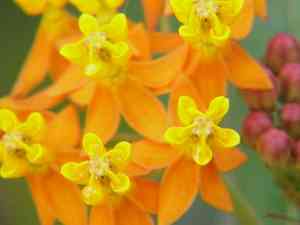
Metastelma anegadense (Metastelma anegadense)
Also known as: Anegada milkweed
Agave plants, particularly Agave americana, flourish in the harsh climates of scrublands and rocky areas. These resilient succulents feature thick, fleshy leaves arranged in rosettes, which help in storing water efficiently. The leaves have a waxy coating that reduces water loss, and their sharp spines deter herbivores. Adapted to sparse and arid conditions, agaves exhibit an incredible ability to survive and thrive in challenging ecosystems.
In This Article
Attributes of Metastelma anegadense
Lifespan
Perennial
Plant Type
Vine, Herb
Plant Height
30-60 cm
Spread
Not applicable, as it is a twining vine
Leaf Color
Green
Flower Size
Less than 1 cm
Flower Color
White
Images of Metastelma anegadense
Quickly Identify Metastelma anegadense
1
Metastelma anegadense can be recognized by its small stature, twining stem, and tiny white flowers that form in clusters. The leaves are small and oval-shaped.
Scientific Classification of Metastelma anegadense
Phylum
Vascular plants
Class
Dicotyledons
Order
Gentianales
Family
Dogbane
Genus
Metastelma
Species
Metastelma anegadense
Planting and Growing of Metastelma anegadense
Care Difficulty
Hard
Watering Schedule
Every day
Sunlight Requirements
Partial sun
Sunshine Duration
4-8 hours
Ideal Temperature
75-85℉
Soil Type
Potting Mix, Peat Mix
Soil pH
6.5-7.5
Fertilizer Type
Balanced
Pruning Season
Spring, Summer
Pruning Area
Branches, Leaves
Pruning Frequency
2 times a year
Repotting Season
Spring
Pot Type
Plastic, Ceramic
 How to Water Metastelma anegadense?
Metastelma anegadense prefers a moderately moist environment. Ensure the soil is thoroughly moist but not waterlogged, with about 200 ml of water sufficing for each watering session. Apply water until you see a slight runoff from the drainage holes, ensuring the soil is uniformly wet but never over-saturated.
What are the symptoms of an underwatered Metastelma anegadense?
›
What should I do if my Metastelma anegadense is not getting enough water?
›
What are the symptoms of an overwatered Metastelma anegadense?
›
How to save an overwatered Metastelma anegadense?
›
 What Are the Sunlight Requirements for Metastelma anegadense?
This plant does best with partial sun exposure. Ideal lighting ensures healthy growth, robust foliage, and resilience against pests and diseases due to enhanced photosynthetic activity.
What type of light is ideal for Metastelma anegadense?
›
How can you ensure it receives partial sunlight?
›
What benefits does ideal lighting provide to the plant?
›
 What Is the Ideal Temperature Range for Metastelma anegadense?
Metastelma anegadense thrives best in environments where the temperature remains between 75°F and 85°F. This range provides optimal conditions for photosynthesis, respiration, and other essential physiological processes. Maintaining this range will facilitate robust growth and flowering.
 What Soil is Best for Metastelma anegadense?
Metastelma anegadense thrives in well-drained soils that prevent water from stagnating around its roots. This condition helps promote root health and prevents diseases that could otherwise hinder growth. A nutrient-rich soil is essential for Metastelma anegadense to flourish, as it provides the necessary minerals and nutrients needed for robust growth and vibrant blooms, ensuring a lush appearance. The plant prefers a soil texture that balances sand and loam. This sandy composition aids in aeration, enhancing root oxygen access, crucial for optimal photosynthesis and overall health.
 How to Fertilize Metastelma anegadense?
For Metastelma anegadense, applying fertilizers in appropriate amounts is crucial. Use diluted liquid fertilizer at half the recommended strength to avoid root burn and soil imbalance. For slow-release fertilizer, opt for a mild formulation and use sparingly to nourish this delicate plant.
 How to Prune Metastelma anegadense?
Begin pruning in early spring when new growth starts; it’s the best time to shape the plant gently. Remove all dead or broken stems first, and trim back any overlong or unruly branches to encourage bushier growth. Make clean cuts at a slight angle just above a node or a leaf set to encourage new growth. This technique ensures that new growth will sprout in the desired direction, contributing to a fuller plant appearance. Before pruning, disinfect your tools to prevent the spread of diseases. A simple solution of bleach and water or rubbing alcohol will suffice to ensure your tools are clean and safe to use.
More About Pruning Techniques→
 How to Propagate Metastelma anegadense plant?
1
Collect seeds from mature Metastelma anegadense plants. Clean and dry them thoroughly to ensure they are free of debris or moisture, which can lead to mold growth during storage.
2
Fill the seed tray with a well-draining potting mix. Place the seeds on the soil surface and cover them lightly with soil, ensuring they are not too deep to avoid germination failure.
3
Place the seed tray in a warm, sunny location or under a grow light. Use the humidifying dome to maintain consistent moisture levels and check regularly for signs of germination.
 How to Repot Metastelma anegadense plant?
1
Metastelma anegadense signals the need for repotting when its roots start emerging from the drainage holes or the plant appears root-bound. Another indicator is slowed growth despite proper care, showing the plant requires more space to flourish.
2
Select a pot that is only slightly larger than the current one, ideally 1-2 inches wider in diameter. Ensure it has adequate drainage holes to prevent waterlogging, promoting healthy root growth to avoid root rot, which can be detrimental to the plant's health.
3
Opt for a well-draining cactus mix to provide a similar environment to its natural habitat. This mix helps prevent root rot by allowing excess water to escape swiftly, keeping the roots from remaining submerged and thereby maintaining optimal health.
Toxicity
Ingestion
WARNING
The judgment on toxicity and danger is for reference only. We DO NOT GUARANTEE any accuracy of such judgment. Therefore, you SHALL NOT rely on such judgment. It is IMPORTANT TO SEEK PROFESSIONAL ADVICE in advance when necessary.
Learn More About Metastelma anegadense Diseases
Anthracnose
Bacterial Leaf Spot
Bacterial Soft Rot
Bacterial Wilt
Black Spot
Chemical Injury
Crown Gall
Cyst Nematode
Damping-off
Downy Mildew
Drought Stress
Fusarium Wilt
Gray Mold
Leaf Curl
Leaf Spot
Mosaic
Nutrient Deficiency
Nutrient Toxicity
Powdery Mildew
Root Rot
Root-knot Nematode
Rusts
Sooty Mold
Spider Mites
Temperature Stress
Thrips Damage
White Mold



