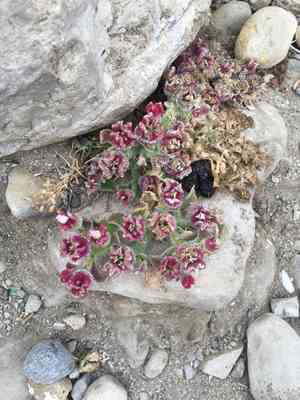
Common ice plant (Mesembryanthemum crystallinum)
Also known as: Common Iceplant, Icicle Plant
The common ice plant (Mesembryanthemum crystallinum) stands out for its edible qualities, offering a crisp texture and mildly salty flavor, making it a unique addition to various dishes. The plant is adorned with tiny, translucent, bubble-like structures that cover its leaves, stems, and pods, giving it a distinctive, crystal-like appearance. These features not only enhance its ornamental appeal but also contribute to its potential as a nutritious and visually appealing food ingredient.
Attributes of Common ice plant
Images of Common ice plant
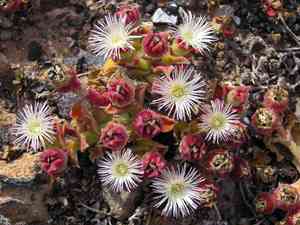

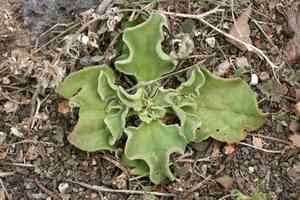

Quickly Identify Common ice plant
Scientific Classification of Common ice plant
Planting and Growing of Common ice plant
 How to Water Common ice plant?
 What Are the Sunlight Requirements for Common ice plant?
 What Is the Ideal Temperature Range for Common ice plant?
 What Soil is Best for Common ice plant?
 How to Fertilize Common ice plant?
 How to Prune Common ice plant?
 How to Propagate Common ice plant plant?
 How to Repot Common ice plant plant?
Toxicity of Common ice plant
Is Common ice plant toxic to humans?
The common ice plant has a low level of toxicity to humans, mainly through consumption. The entire plant contains calcium oxalate, which can lead to adverse effects if ingested. Symptoms may include irritation of the mouth and throat, a burning sensation, difficulty in swallowing, and gastrointestinal issues like nausea, vomiting, and diarrhea. These symptoms are notably due to calcium oxalate, which can create needle-like crystals that irritate soft tissues. Since all parts of the plant are toxic, exercising caution is crucial to avoid accidental ingestion, particularly in situations where it is not meant for consumption.



