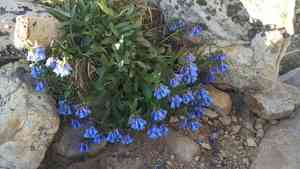
Oblongleaf bluebells (Mertensia oblongifolia)
Also known as: Beautiful sagebrush bluebells
Mertensia oblongifolia, a perennial herb, typically grows multiple upright stems from a thick, branching base, reaching up to 40 centimeters in height. The leaves are oval to lance-shaped and are distributed along the stems. The flowers are about 1 to 2 centimeters in length.
In This Article
Attributes of Oblongleaf bluebells
Lifespan
Perennial
Plant Type
Herb
Plant Height
10 cm to 30 cm
Spread
10-25 cm
Leaf Color
Bluish-green
Flower Size
1-2 cm
Flower Color
Blue to purplish
Images of Oblongleaf bluebells
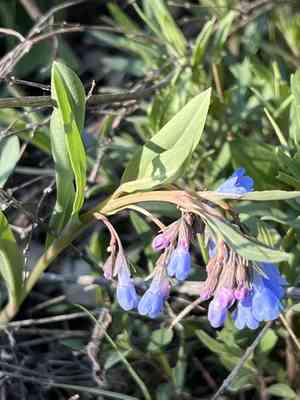
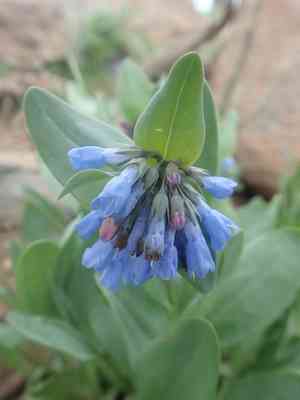
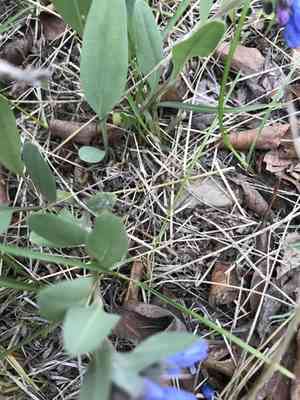
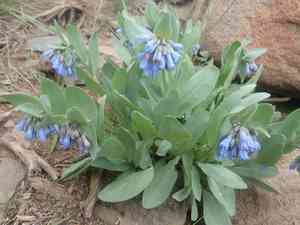
Quickly Identify Oblongleaf bluebells
1
Identifying Mertensia oblongifolia involves looking for its oblong-shaped leaves, which are often bluish-green and smooth. The plant typically grows in clumps and produces trumpet-shaped flowers that are blue or purplish in color.
Scientific Classification of Oblongleaf bluebells
Phylum
Vascular plants
Class
Dicotyledons
Order
Boraginales
Family
Borage
Genus
Bluebell
Species
Oblongleaf bluebells
Planting and Growing of Oblongleaf bluebells
Care Difficulty
Moderate
Watering Schedule
Every 2 days
Sunlight Requirements
Full sun
Sunshine Duration
4-8 hours
Ideal Temperature
60-75℉
Soil Type
Potting Mix, Peat Mix
Soil pH
6.5-7.5
Fertilizer Type
Balanced
Pruning Season
Spring, Summer
Pruning Area
Branches, Leaves
Pruning Frequency
Once a year
Repotting Season
Spring
Pot Type
Plastic, Ceramic
 How to Water Oblongleaf bluebells?
Water Mertensia oblongifolia with approximately 250 milliliters per session. Ensure the soil is evenly moist but not waterlogged. This plant enjoys a balance between moist-well drained conditions and dislikes prolonged water exposure.
What are the symptoms of an underwatered Oblongleaf bluebells?
›
What should I do if my Oblongleaf bluebells is not getting enough water?
›
What are the symptoms of an overwatered Oblongleaf bluebells?
›
How to save an overwatered Oblongleaf bluebells?
›
 What Are the Sunlight Requirements for Oblongleaf bluebells?
Mertensia oblongifolia thrives in full to partial sun. Ideal light promotes healthy leaf development, robust growth, and vibrant flowering, reflecting its natural high-altitude meadow environment.
Optimal Sun Exposure
›
Avoiding Harsh Light
›
Balancing Light and Shade
›
 What Is the Ideal Temperature Range for Oblongleaf bluebells?
The ideal temperature range for Mertensia oblongifolia is between 60°F and 75°F. Within this range, the plant thrives, showing optimal growth and flowering. Maintaining temperatures within these limits supports healthy photosynthesis and resource allocation. Interactions between temperature and humidity also play a crucial role in maintaining the plant's turgidity and nutrient uptake efficiency.
 What Soil is Best for Oblongleaf bluebells?
Mertensia oblongifolia thrives in well-drained soil which prevents root rot. Adequate drainage ensures that excess water flows away from the roots, enabling the plant to access oxygen and vital nutrients essential for growth and blooming. To reach its full potential, this plant flourishes in nutrient-rich soils which provide essential nutrients. A fertile soil setting not only encourages robust plant growth but also enhances vibrant, lush foliage. While too much fertility can cause excessive foliage growth, moderate soil fertility helps in balanced development. The right nutrient levels allow the plant to focus on both vegetative and flowering phases effectively.
 How to Fertilize Oblongleaf bluebells?
For Mertensia oblongifolia, it's important to apply fertilizer sparingly, as this plant prefers lean soil. Use a diluted liquid fertilizer at half strength to avoid overfeeding it.
 How to Prune Oblongleaf bluebells?
Begin by identifying any dead, diseased, or damaged stems and leaves. These should be your first focus, as removing them can prevent further problems and promote healthier growth in other parts of the plant. Use sharp, clean pruning shears and make sure to create clean, swift cuts. Avoid tearing or damaging the plant tissue, which can lead to disease and impede healing. Cut just above a leaf node to encourage new growth. To maintain a pleasing shape and size for your Mertensia oblongifolia, selectively remove overgrown stems. This helps maintain air circulation and light penetration throughout the plant, which is crucial for its overall health.
More About Pruning Techniques→
 How to Propagate Oblongleaf bluebells plant?
1
Use a well-draining potting mix rich in organic matter. The soil should be slightly acidic to neutral (pH 6.0-7.5) to support healthy growth.
2
Sow seeds thinly in seed trays, cover with a light layer of soil, and mist gently. Maintain soil warmth by keeping trays indoors or in a greenhouse.
3
Choose healthy stems and cut them just below a node. Remove the lower leaves and dip the end in rooting hormone to encourage root development.
 How to Repot Oblongleaf bluebells plant?
1
Mertensia oblongifolia benefits from repotting when the plant shows signs of becoming root-bound, such as slowed growth or roots emerging from the pot's drainage holes. It's optimal to repot during spring or autumn for best root establishment.
2
Choose a pot that is only slightly larger than the current one to prevent overwatering. A container with adequate drainage holes is essential to prevent water accumulation, which can lead to root rot. A terracotta pot can be ideal as it allows soil to dry between watering.
3
Opt for a well-draining sandy loam to support healthy root growth while preventing excess moisture retention. The soil should be rich in organic matter to ensure adequate nutrients are available, supporting robust blooms and foliage.
Learn More About Oblongleaf bluebells Diseases
Anthracnose
Bacterial Leaf Spot
Bacterial Wilt
Chemical Injury
Damping-off
Downy Mildew
Drought Stress
Fusarium Wilt
Gray Mold
Leaf Curl
Leaf Spot
Mosaic
Nutrient Deficiency
Nutrient Toxicity
Powdery Mildew
Root Rot
Root-knot Nematode
Rusts
Sooty Mold
Spider Mites
Temperature Stress
Thrips Damage
White Mold



