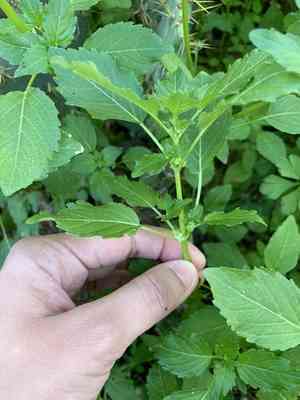
Mercuries (Mercurialis) (Mercurialis)
Also known as: Dog's Mercury, Annual Mercury
Mercuries, such as annual mercury (Mercurialis annua), are either annual or perennial herbaceous plants with a slender growth form that often originates from a rhizome. Outside their native habitats, these plants can exhibit invasive characteristics, frequently colonizing disturbed or cultivated areas. Additionally, mercuries are known to be toxic to both humans and animals.
In This Article
Attributes of Mercuries (Mercurialis)
Lifespan
Annual, Biennial
Plant Height
10-50 cm
Spread
N/A
Leaf Color
Green
Flower Size
1-1.5 mm
Flower Color
Greenish
Images of Mercuries (Mercurialis)
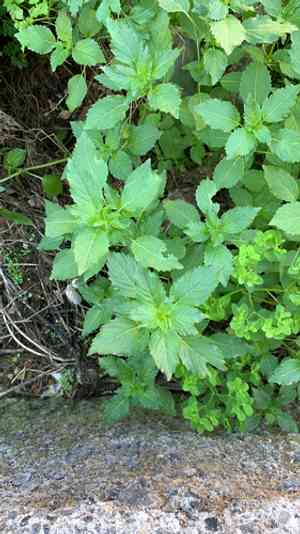
Quickly Identify Mercuries (Mercurialis)
1
Identifying Mercurialis involves looking for its small, inconspicuous flowers and leaves that are typically opposite each other. The leaves are lanceolate to ovate and serrated along the edges. Male and female flowers are usually found on separate plants.
Scientific Classification of Mercuries (Mercurialis)
Phylum
Magnoliophyta
Class
Magnoliopsida
Order
Malpighiales
Family
Euphorbiaceae
Genus
Mercurialis
Planting and Growing of Mercuries (Mercurialis)
Care Difficulty
Moderate
Watering Schedule
Every 2 days
Sunlight Requirements
Partial sun
Sunshine Duration
6-10 hours
Ideal Temperature
60-75℉
Soil Type
Potting Mix, Peat Mix
Soil pH
6.5-7.5
Fertilizer Type
Balanced
Pruning Season
Spring, Summer
Pruning Area
Branches, Leaves
Pruning Frequency
2 times a year
Repotting Season
Spring
Pot Type
Plastic, Ceramic
 How to Water Mercuries (Mercurialis)?
Mercurialis prefers its soil to be slightly moist, which means watering with approximately 150ml ensures the soil remains damp but not waterlogged. This amount allows the water to penetrate to the root level without causing excess water retention that could lead to root rot.
What are the symptoms of an underwatered Mercuries (Mercurialis)?
›
What should I do if my Mercuries (Mercurialis) is not getting enough water?
›
What are the symptoms of an overwatered Mercuries (Mercurialis)?
›
How to save an overwatered Mercuries (Mercurialis)?
›
 What Are the Sunlight Requirements for Mercuries (Mercurialis)?
Mercurialis thrives in partial sun to full shade environments. This range ensures that it receives enough light for growth without the risk of leaf damage. Ideal lighting promotes lush foliage and robust development.
Optimal Light Intensity
›
Location Adjustment
›
Beneficial Outcomes
›
 What Is the Ideal Temperature Range for Mercuries (Mercurialis)?
Mercurialis thrives best in environments where the temperature ranges from 60 to 75°F. This range supports optimal metabolic activities, ensuring healthy growth and development. Keeping temperatures within this range also reduces stress, minimizing the risk of diseases and promoting longevity and resilience.
 What Soil is Best for Mercuries (Mercurialis)?
Mercurialis thrives in soil that is rich in organic matter. The nutrients provide essential growth components, ensuring lush foliage and a robust plant structure. Using compost or well-decomposed manure can make a significant difference in vigor. It is important for Mercurialis to be planted in well-drained soil to prevent waterlogging, which can lead to root rot. Ensuring good permeability allows roots to breathe, promoting healthy growth and resilience against diseases. Mercurialis prefers soil that retains moderate moisture without becoming soggy. This balance maintains the hydration of the plant without suffocating the roots. Regular watering during dry spells keeps the plant healthy and flourishing.
 How to Fertilize Mercuries (Mercurialis)?
For Mercurialis, use a balanced fertilizer at a low concentration. Apply liquid fertilizers at a rate of one teaspoon per gallon of water. Adjust based on soil testing to avoid nutrient imbalances.
 How to Prune Mercuries (Mercurialis)?
Begin by thoroughly inspecting your Mercurialis from the base to the tips. Identify any dead or weakened stems and focus on those areas first, as removing these can improve air circulation and plant health overall. Trim back overgrown branches to shape your Mercurialis. Aim to create a symmetrical form that allows light to penetrate the plant more evenly. Always cut just above a node or a leaf joint to encourage new growth in that area.
 How to Propagate Mercuries (Mercurialis) plant?
1
Collect seeds from mature Mercurialis plants in early autumn when they are fully developed. Ensure the seeds are dry and free from disease by inspecting them closely before storing them for propagation.
2
Select a healthy parent plant and use clean pruning shears to cut 4-6 inch segments from just below a node. Remove leaves from the lower half of the cutting to reduce transpiration and place the cuttings in water to prevent drying out.
3
Divide mature plants during early spring by carefully digging around the root system. Use a sharp spade to separate sections of the plant, ensuring each has several shoots and a healthy root system before replanting them.
 How to Repot Mercuries (Mercurialis) plant?
1
Mercurialis, known for its lush green foliage, should typically be repotted in early spring or autumn. Signs that it needs repotting include roots growing out of the drainage holes or the plant stopping its growth, suggesting that it's become root-bound.
2
When selecting a pot for Mercurialis, ensure it's one or two inches wider in diameter than the current pot. It's beneficial to choose a pot with adequate drainage holes to prevent waterlogging, which can lead to root rot. A good pot will support the plant's growth and provide stability.
3
Opt for a well-draining potting mix that retains some moisture but does not become soggy. A mix with added perlite or sand can enhance drainage. Good soil composition ensures the roots remain healthy and the plant can access the necessary nutrients easily.
Toxicity
Ingestion, Contact with Broken Skin
WARNING
The judgment on toxicity and danger is for reference only. We DO NOT GUARANTEE any accuracy of such judgment. Therefore, you SHALL NOT rely on such judgment. It is IMPORTANT TO SEEK PROFESSIONAL ADVICE in advance when necessary.
Learn More About Mercuries (Mercurialis) Diseases
Anthracnose
Bacterial Leaf Spot
Bacterial Soft Rot
Chemical Injury
Damping-off
Downy Mildew
Drought Stress
Fusarium Wilt
Gray Mold
Leaf Spot
Mosaic
Nutrient Deficiency
Nutrient Toxicity
Powdery Mildew
Root Rot
Root-knot Nematode
Rusts
Sooty Mold
Spider Mites
Temperature Stress
Thrips Damage
White Mold

