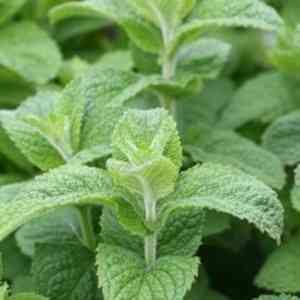
Apple Mint, Round-leaved Mint (Mentha × rotundifolia)
Also known as: Apple Mint, Round-leaved Mint
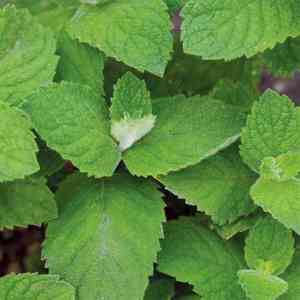
Mentha × rotundifolia, commonly known as apple mint or round-leaved mint, is a herbaceous perennial plant belonging to the mint family (Lamiaceae). It is known for its aromatic, fruity fragrance and rounded, slightly hairy leaves. This plant is commonly used in culinary dishes, herbal teas, and as a natural remedy for various ailments.
In This Article
Attributes of Apple Mint, Round-leaved Mint
Lifespan
Perennial
Images of Apple Mint, Round-leaved Mint
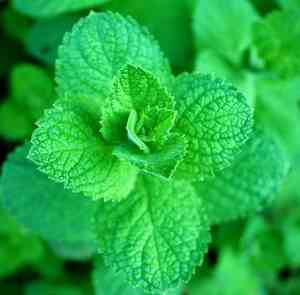
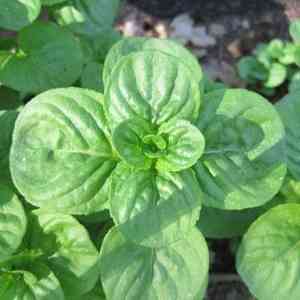
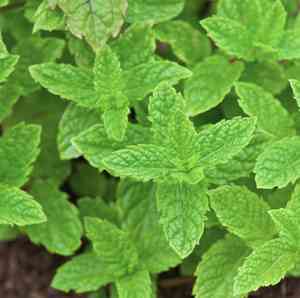
Scientific Classification of Apple Mint, Round-leaved Mint
Phylum
Magnoliophyta
Class
Magnoliopsida
Order
Lamiales
Family
Lamiaceae
Genus
Mentha
Species
Mentha × rotundifolia
Planting and Growing of Apple Mint, Round-leaved Mint
Care Difficulty
Easy
Watering Schedule
Every 8 days
Sunlight Requirements
Partial sun
Sunshine Duration
4-8 hours
Ideal Temperature
50-77℉
Soil Type
Potting Mix, Peat Mix
Soil pH
6.5-7.5
Fertilizer Type
Balanced
Pruning Season
Spring, Summer
Pruning Area
Branches, Leaves
Pruning Frequency
2 times a year
Repotting Season
Spring
Pot Type
Plastic, Ceramic
 How to Water Apple Mint, Round-leaved Mint?
When watering Mentha × rotundifolia, ensure you provide around 250 ml per session. The key is to keep the soil consistently moist without waterlogging it. Let the water penetrate the soil evenly to reach the roots without any standing water.
What are the symptoms of an underwatered Apple Mint, Round-leaved Mint?
›
What should I do if my Apple Mint, Round-leaved Mint is not getting enough water?
›
What are the symptoms of an overwatered Apple Mint, Round-leaved Mint?
›
How to save an overwatered Apple Mint, Round-leaved Mint?
›
 What Are the Sunlight Requirements for Apple Mint, Round-leaved Mint?
For optimal growth, Mentha × rotundifolia should be exposed to partial to full sun, ideally 5-8 hours daily. This range of light supports photosynthetic efficiency, resulting in a healthy, aromatic plant.
What is the best type of sunlight for Mentha × rotundifolia?
›
How can I ensure ideal light conditions for Mentha × rotundifolia?
›
What are the benefits of ideal lighting for Mentha × rotundifolia?
›
 What Is the Ideal Temperature Range for Apple Mint, Round-leaved Mint?
For optimal growth, Mentha × rotundifolia should be maintained between 50°F and 77°F. This temperature range allows the plant to photosynthesize efficiently and maintain strong cellular processes, which is essential for healthy foliage and robust growth. Ensuring consistent temperatures within this range will help the plant to produce the aromatic oils that are characteristic of mint.
 What Soil is Best for Apple Mint, Round-leaved Mint?
Mentha × rotundifolia thrives in soil rich in nutrients. This ensures the plant grows vigorously, offering a lush green appearance and vibrant aroma ideal for culinary and medicinal uses. Good drainage in the soil is vital for this mint variety. It prevents root rot and keeps the plant healthy and robust, allowing for a bounteous harvest of fragrant leaves. While well-draining, the soil should also retain enough moisture to keep the plant hydrated without being soggy. This balance enhances the plant's vigor, especially during growing seasons.
 How to Fertilize Apple Mint, Round-leaved Mint?
When fertilizing Mentha × rotundifolia, less is often more. For liquid fertilizer, use a balanced 10-10-10 or 20-20-20, diluted to half the recommended strength. Approximately 250ml per plant is sufficient. For slow-release fertilizers, a small scatter of granules, akin to a teaspoon per plant, should do the trick. Always prioritize quality over quantity to prevent nutrient burns.
 How to Prune Apple Mint, Round-leaved Mint?
Begin by identifying the stems that need trimming. Look for damaged, leggy, or sickly branches. Removing these encourages healthier growth throughout the plant. Start from the top-down approach to give the plant a uniform shape. When cutting, always make your cuts just above a leaf node or bud. This stimulates growth from that node, leading to a fuller plant. Avoid cutting too far from the node as this could lead to a stub that may die back. Collect and dispose of all pruned materials properly. Leaving them around the plant can attract pests or promote fungal growth. Compost the healthy cuttings if possible, but discard any that appear diseased.
 How to Propagate Apple Mint, Round-leaved Mint plant?
1
When propagating Mentha × rotundifolia, select healthy, non-flowering stems about 4 to 6 inches long. Ensure the leaves are vibrant and free of disease to maximize the chance of successful rooting.
2
Remove the lower leaves of the cuttings leaving a few at the top. Dip the cut end into rooting hormone if desired, and plant it in a soil medium or water to encourage root development.
3
For division propagation, carefully dig out the plant and separate the root clumps. Each clump should have a visible shoot or stem. Plant them in a well-draining medium and water thoroughly.
 How to Repot Apple Mint, Round-leaved Mint plant?
1
Repot Mentha × rotundifolia when you notice roots emerging from the drainage holes or when growth slows down despite regular care. These are signs that the plant is outgrowing its current pot or is becoming root-bound. Early spring or early summer are the ideal times to repot, as the plant is in its active growing phase.
2
Select a pot that is one size larger than the current one, offering adequate drainage with holes at the base to prevent waterlogging. A good pot supports better air circulation around the roots, which is crucial for mint growth and helps prevent root rot, ensuring healthier development.
3
Opt for a well-draining soil mix, preferably one that includes some sand or perlite to enhance aeration and drainage. This type of soil mimics the natural growing conditions of mint, promoting robust root growth and helping to prevent overwatering issues.

