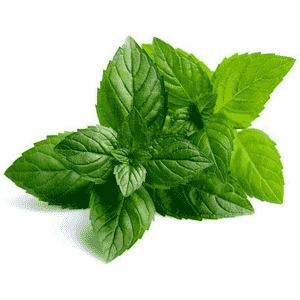
Mentha × piperita(Mentha × piperita)

Mentha × piperita (Mentha × piperita)

Also known as: Peppermint,Brandy mint

Peppermint, scientifically known as Mentha × piperita, is a hybrid mint type that is a result of crossbreeding between watermint and spearmint. Originally native to Europe and the Middle East, this plant is now ubiquitously grown and cultivated across various regions globally. It occasionally appears in the wilderness alongside its progenitor species. Though the Mentha genus incorporates over 25 different species, peppermint is predominantly utilized. Western peppermint originates from Mentha × piperita, whereas Chinese peppermint, also known as 'bohe', is acquired from fresh leaves of M. haplocalyx. Both M. × piperita and M. haplocalyx are acknowledged as plant sources for menthol and menthone, making them some of the oldest herbs used for culinary and medicinal purposes.

Attributes of Mentha × piperita

Lifespan
Perennial plant
Plant Height
30–90 cm
Leaf Color
Dark green
Flower Color
Bluish violet

ForwardPlant - Identify plants with a snap

Identify and diagnose plants, get toxicity alerts, and explore safety guides for all types of fungi.

Try for Free

Images of Mentha × piperita

Mentha × piperita(Mentha × piperita)

Quickly Identify Mentha × piperita

1
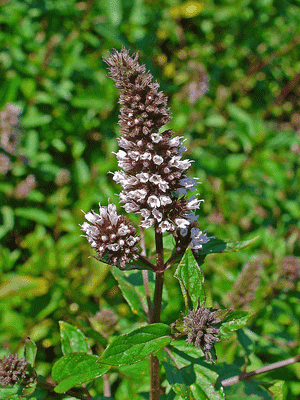
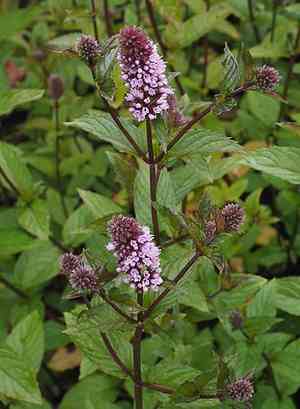
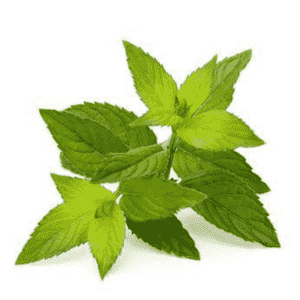
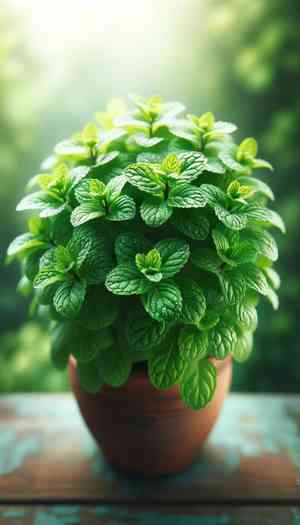
Peppermint plants have dark green leaves, bluish violet flowers and a distinct, strong scent. The leaves are serrated.

Scientific Classification of Mentha × piperita

Phylum
Tracheophyta
Class
Magnoliopsida
Order
Lamiales
Family
Lamiaceae
Genus
Mentha
Species
M. × piperita

Planting and Growing of Mentha × piperita

Care Difficulty
Easy
Watering Schedule
Every 12 days
Sunlight Requirements
Full sun
Sunshine Duration
6-10 hours
Ideal Temperature
60-70℉
Soil Type
Potting Mix, Peat Mix
Soil pH
6.5-7.5
Fertilizer Type
Balanced
Pruning Season
Spring, Summer
Pruning Area
Branches, Leaves
Pruning Frequency
2 times a year
Repotting Season
Spring
Pot Type
Plastic, Ceramic

water icon How to Water Mentha × piperita?

For Mentha × piperita, it's essential to ensure the soil remains consistently moist but not waterlogged. This means watering should saturate the soil but allow for drainage, typically percolating through to about a depth of 6 inches. Aim for about 250 ml at each watering session to maintain this balance.
What are the symptoms of an underwatered Mentha × piperita?
What should I do if my Mentha × piperita is not getting enough water?
What are the symptoms of an overwatered Mentha × piperita?
How to save an overwatered Mentha × piperita?

sunlight icon What Are the Sunlight Requirements for Mentha × piperita?

Sunlight Requirements: Full sun, Partial sun
Duration of light: 4 to 6 hours
Partial to full sun ensures robust growth and enhances essential oil concentration, crucial for cultivating its signature scent and taste.
How can I ensure my Mentha × piperita gets the best light?
What should I do if I cannot provide enough natural light?
Why is appropriate lighting crucial for Mentha × piperita?

temperature icon What Is the Ideal Temperature Range for Mentha × piperita?

Ideal Temperature: 60 ~ 70℉
The ideal temperature range for Mentha × piperita (Peppermint) growth is between 60°F and 70°F. This range ensures optimal metabolic processes and healthy development. Temperatures within this range promote vibrant foliage and robust growth, ensuring the plant's ability to produce essential oils effectively.

soil icon What Soil is Best for Mentha × piperita?

Soil type: Loam, Sandy loam
Soil PH: 6.5 ~ 7.5
Mentha × piperita thrives in well-drained soil that allows for adequate water movement, preventing root rot. This ensures that the roots receive the right amount of moisture and nutrients without waterlogging, promoting vigorous plant growth. The soil should be rich in organic matter, providing essential nutrients that support the growth of Mentha × piperita. Such soil can improve the mint's aroma and oil concentration, making it more flavorful and aromatic. Maintaining a consistent moisture level in the soil is crucial for peppermint, as it prevents stress on the plant and encourages steady growth. This helps ensure the leaves remain lush, vibrant, and ready for culinary uses.

fertilize icon How to Fertilize Mentha × piperita?

Fertilizer type: Balanced
The optimal amount of fertilizer for Mentha × piperita involves using a balanced 10-10-10 NPK formula. For liquid fertilizers, apply about 1 tablespoon per gallon of water. For slow-release granules, use approximately 1/4 cup per square foot of soil. Ensure the soil is moist before applying to prevent root burn.

prune icon How to Prune Mentha × piperita?

Pruning Time: Spring, Summer
Be careful not to remove more than one-third of the plant at a time. Over-pruning can stress the plant and inhibit its growth, reducing its vigor and ability to recover quickly. Regularly check your peppermint for signs of pests such as aphids or spider mites. While pruning, keep an eye out for any leaves with spots or webbing, and remove those parts immediately to prevent infestation.

propagate icon How to Propagate Mentha × piperita plant?

Propagate Time: Spring, Early summer
1
Choose young, healthy stems from the parent plant that are free of disease and pests. Look for stems that have just begun to harden as these are optimal for cuttings.
2
Using pruning shears, cut a stem section of about 4 to 6 inches. Remove the leaves from the lower half of the cutting to focus the plant’s energy on root development.
3
Dip the cut end into rooting hormone and plant it in moist soil. Ensure that the potting mix is light and well-draining to support new root growth.

repot icon How to Repot Mentha × piperita plant?

Repotting frequency: Every 1-2 years
1
Mentha × piperita needs repotting when its roots begin to outgrow the current pot, making the plant root-bound. Typically, you can identify the need for repotting when you notice slow growth, roots poking out from drainage holes, or the plant drying out quickly after watering. These are signs that the mint requires more space and fresh nutrients.
2
Select a pot that is roughly 2 inches larger in diameter than the current one. Ensure it has adequate drainage holes to prevent waterlogging. A slightly larger pot allows the roots to expand, promoting healthier growth. The material of the pot should be breathable, like clay or terracotta, to aid in moisture management and prevent root rot.
3
Opt for loamy, well-draining soil, possibly enriched with organic matter like compost. This provides essential nutrients for the mint and helps maintain optimal moisture levels. Avoid heavy, clayey soils, as they can retain too much water, leading to root rot. Proper soil ensures your plant has enough nourishment and drainage for vigorous growth.

ForwardPlant - Identify plants with a snap

Find the best spots for them to optimize their health, simply using your phone.

Try for Free

Toxicity

null

Identify toxic plants for your safety

Learn which plants are harmful to you and your pets, and make informed choices for a safer home!

Try for Free
WARNING
The judgment on toxicity and danger is for reference only. We DO NOT GUARANTEE any accuracy of such judgment. Therefore, you SHALL NOT rely on such judgment. It is IMPORTANT TO SEEK PROFESSIONAL ADVICE in advance when necessary.